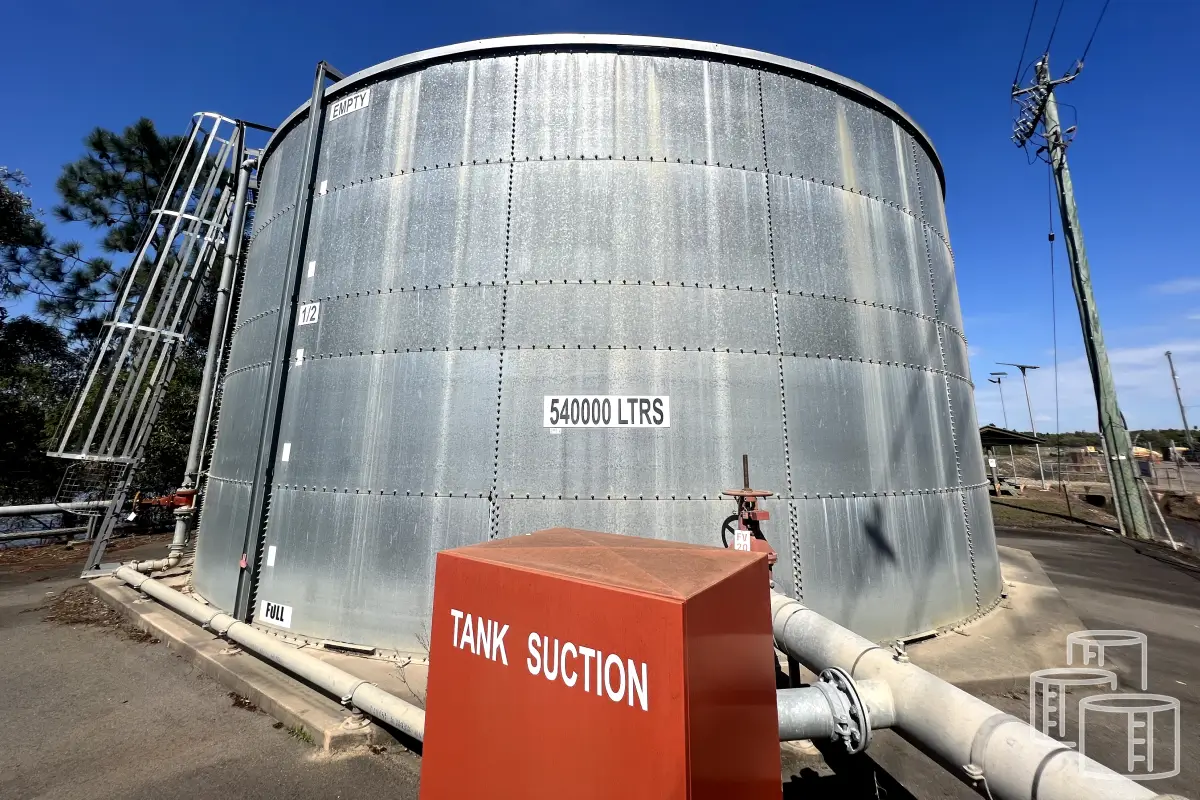
Fire water tanks must remain reliable at all times. Regular inspections help ensure system readiness during emergencies.
Using a structured inspection checklist improves consistency. It ensures no critical step is overlooked.
A clear checklist also supports compliance and long-term performance.
Why an Inspection Checklist is Important
Fire tank inspections involve multiple steps and components. Missing even one detail can affect system reliability. A checklist provides a structured approach to inspections. It helps maintain consistency across all servicing activities.
It also supports accurate reporting and compliance requirements.
Complete Fire Water Tank Inspection Checklist
A proper checklist covers all key inspection areas. Each step helps ensure system performance and safety.
1. Inspect External Tank Condition
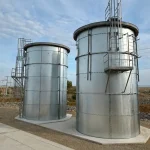
Check the tank exterior for visible damage or wear. Look for cracks, corrosion, or leaks.
Ensure protective coatings are intact. External damage can affect structural integrity.
2. Assess Structural Integrity
The tank structure must remain strong and stable. Inspect for signs of deformation or deterioration.
Structural issues can lead to system failure. Early detection helps prevent major problems.
3. Check Internal Tank Condition
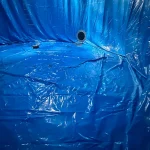
Inspect internal surfaces for corrosion and buildup. Ensure tank linings are intact and functional.
Sediment can affect system performance. Internal checks help maintain efficiency.
4. Test Valves and Connections
All valves and fittings must operate correctly. These components control water flow during emergencies.
Check for leaks, blockages, or mechanical faults. Faulty parts should be repaired immediately.
5. Verify Water Levels
Water levels must meet system requirements. Low levels can compromise fire protection performance.
Level indicators should also be tested for accuracy. This ensures reliable system readiness.
6. Inspect Access Points and Covers
Access hatches and covers must be secure and sealed. Damaged covers can allow contamination into the tank.
Ensure all access points are safe and functional. This also supports safe inspection procedures.
7. Check Surrounding Area
The tank area should be clean and accessible. Remove debris, vegetation, and obstructions.
Clear surroundings improve safety and inspection efficiency. They also prevent environmental damage to the tank.
8. Identify Signs of Corrosion
Corrosion is a common issue in water tanks. It can weaken the structure over time.
Inspect regularly for early signs of damage. Protective coatings should be maintained properly.
9. Review Safety and Access Equipment
Ladders, platforms, and access systems must be safe. Unsafe access increases risks during inspections.
Ensure all safety equipment is in good condition. This supports safe and efficient servicing.
10. Record Inspection Findings
Accurate records are essential for compliance. Document all findings, actions, and observations.
Records help track system condition over time. They also support future inspections and maintenance planning.
Common Mistakes During Inspections
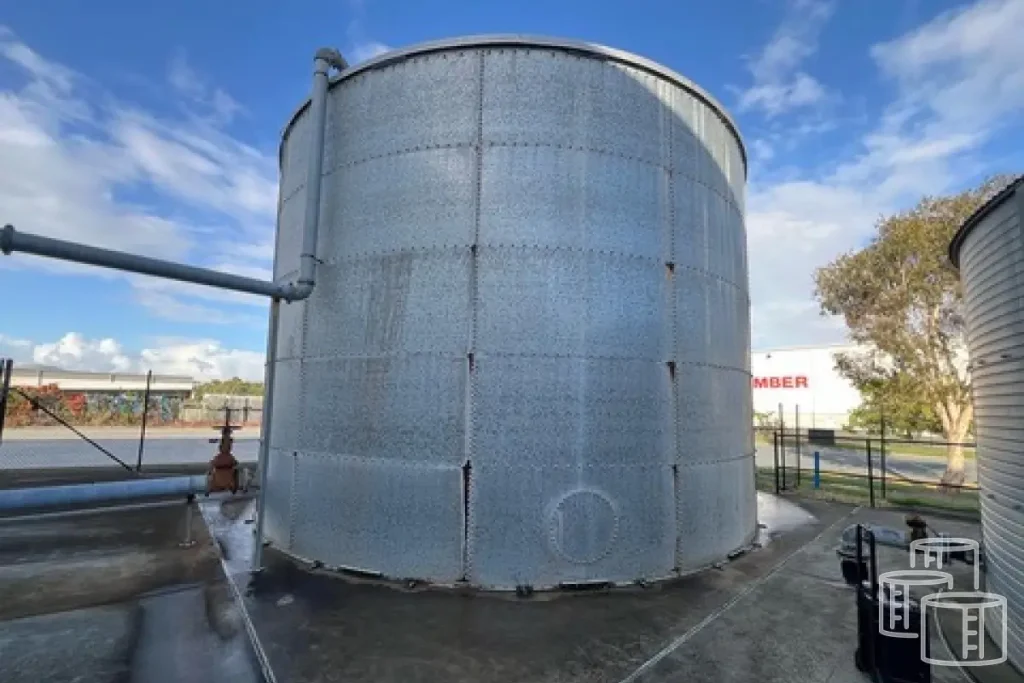
Many issues result from incomplete or inconsistent inspections. Avoiding common mistakes improves system reliability. Skipping steps can lead to missed problems. Poor documentation affects compliance and planning.
Using a checklist helps prevent these issues.
How this Checklist Supports Compliance
A structured checklist ensures inspections follow required standards. It helps maintain consistency across all servicing activities.
Proper documentation supports compliance with Australian regulations. It also ensures accountability and traceability.
For detailed requirements, see fire water tank inspection requirements Australia.
When to Use Professional Inspection Services
Professional inspections provide a higher level of accuracy. Experts follow industry standards and best practices. They can detect hidden issues and recommend solutions. This ensures the system remains safe and compliant.
For reliable support, consider professional fire tank inspection from experienced providers.
Supporting System Reliability
Using an inspection checklist improves system performance. It ensures all components are regularly assessed.
Consistent inspections reduce risks and prevent failures. They also extend the lifespan of the tank.
Final Thoughts
A fire water tank inspection checklist is essential for system safety. It provides a clear and consistent inspection process. Regular inspections help detect issues early. They also ensure compliance and operational readiness.
A structured approach keeps your system reliable at all times.