Reliable water storage is essential for industrial facilities that depend on consistent water availability. Manufacturing plants, processing facilities, and commercial operations require storage systems that support daily activities.
However, choosing the right storage location involves more than selecting a suitable tank. Industrial operators must consider installation requirements, available space, maintenance accessibility, and long-term operating costs.
Two common options are above-ground and underground water storage systems. Both can support industrial operations, but their practical characteristics differ.
Above-ground tanks generally offer easier access for inspections and maintenance. Underground systems can preserve valuable surface space while introducing additional engineering requirements.
Neither option is automatically better for every facility. The right choice depends on site conditions, operational needs, and future infrastructure plans.
This guide explores the differences between above-ground and underground water storage. It also explains the factors industrial facilities should consider before choosing a storage configuration.
Understanding Above-Ground and Underground Water Storage
Industrial water storage systems can be installed above or below ground level. The installation location influences construction requirements, accessibility, environmental exposure, and maintenance planning.
Understanding these differences is important before evaluating specific storage solutions.
What is Above-Ground Water Storage?
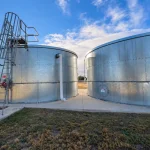
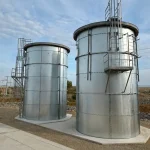
Above-ground water storage involves installing tanks on prepared foundations at surface level. These systems are commonly used across manufacturing, agriculture, commercial infrastructure, and industrial processing facilities.
Above-ground tanks can support various applications, including:
- Process water storage.
- Potable water storage.
- Industrial cooling systems.
- Emergency water reserves.
- General operational water supply.
Many industrial facilities use industrial panel tanks for above-ground water storage. These modular systems accommodate different capacities and site configurations.
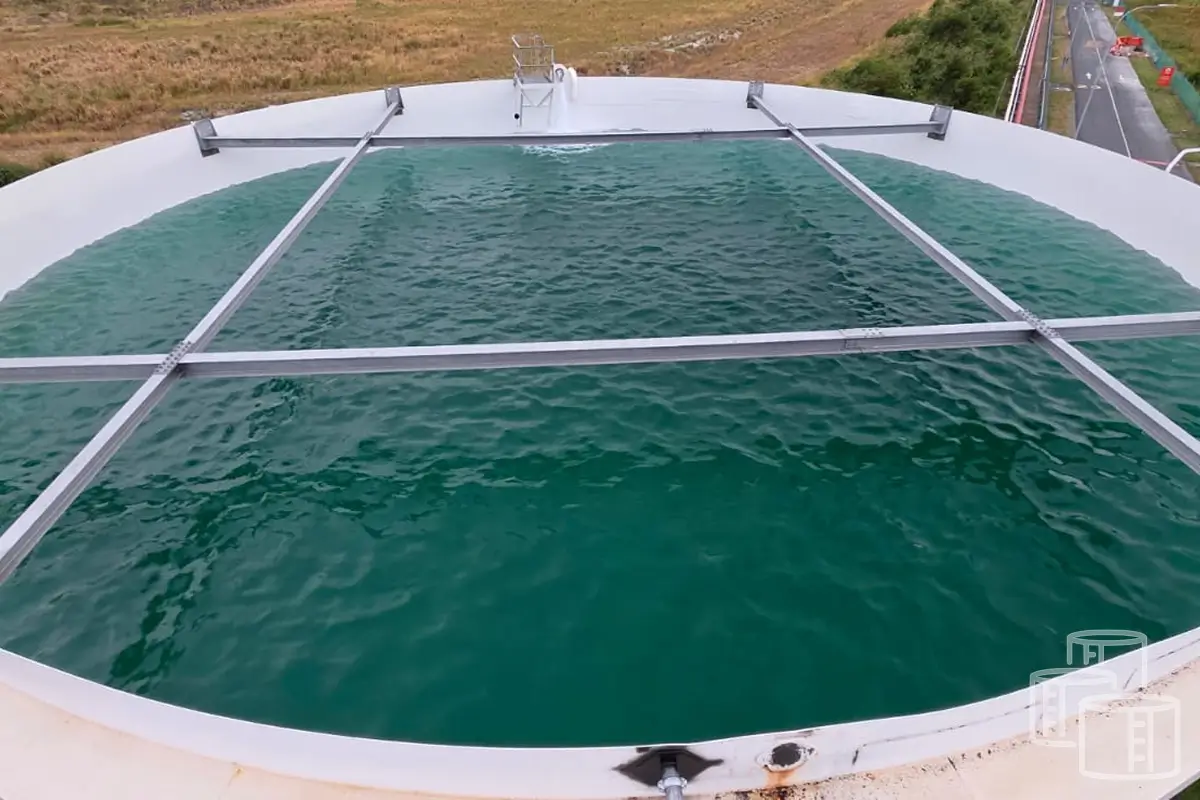
Above-ground installations generally provide easier access to visible tank surfaces and external components. However, outdoor tanks remain exposed to sunlight, rainfall, temperature changes, and other environmental conditions.
What is Underground Water Storage?
Underground water storage involves installing suitable tanks or storage structures beneath the surrounding ground level. These systems are often considered when available surface space is limited.
They may also support projects requiring unobstructed areas above the storage installation.
Common applications include:
- Commercial developments.
- Industrial facilities with limited outdoor space.
- Certain stormwater management systems.
- Sites with specific landscaping requirements.
- Selected emergency water storage applications.
Underground tanks must withstand surrounding soil pressure and other applicable structural loads. Groundwater conditions and excavation requirements also influence installation feasibility.
Unlike above-ground systems, buried tanks generally provide limited access to external surfaces. This difference can affect long-term maintenance and inspection planning.
Above-Ground vs Underground Water Storage: Key Differences
Above-ground and underground water storage systems serve similar purposes. However, their installation conditions and operational characteristics can differ considerably.
The following comparison highlights important factors.
| Factor | Above-Ground Storage | Underground Storage |
|---|---|---|
| Installation location | Above ground level | Beneath ground level |
| Surface space | Requires available surface area | Preserves usable surface space |
| Excavation | Usually limited to foundation preparation | Requires excavation and ground preparation |
| Inspection access | External components are generally accessible | External access is often restricted |
| Weather exposure | Exposed to sunlight and outdoor conditions | Protected from direct sunlight |
| Structural requirements | Foundation support and external loads | Soil pressure, groundwater, and surface loads |
| Leak detection | Visible leaks may be easier to identify | Hidden leaks may require additional monitoring |
| Maintenance | Generally easier external access | More complex access requirements |
| Installation costs | Often involves fewer excavation activities | Additional excavation and engineering costs |
| Future modifications | May offer greater accessibility | Changes can require excavation |
These differences influence both initial construction and ongoing operations. Above-ground storage may suit facilities prioritising accessibility and maintenance flexibility.
Underground storage may be more practical when surface space is limited. However, the final decision should reflect the specific conditions of each industrial site.
Understanding the benefits of industrial panel tanks can help facilities evaluate modular options for above-ground water storage.
Installation Requirements and Site Conditions
Installation requirements represent one of the most important differences between above-ground and underground water storage. Both configurations require suitable engineering and site preparation.
However, underground installations introduce additional considerations related to excavation and surrounding ground conditions.
Site Preparation for Above-Ground Water Tanks
Above-ground tanks require foundations capable of supporting their operating loads. The foundation must accommodate the tank structure and the weight of stored water.
Site preparation generally involves:
- Assessing ground stability.
- Preparing suitable foundations.
- Confirming available installation space.
- Providing access for installation equipment.
- Planning drainage around the tank.
- Maintaining safe access for inspections.
Large storage tanks can place substantial loads on supporting surfaces. Therefore, foundation design should reflect the selected system and local ground conditions.
Industrial facilities must also consider nearby infrastructure. Buildings, pipelines, roads, and operational equipment can influence tank placement.
Adequate clearance should remain available for maintenance and future repairs.
Excavation and Ground Conditions for Underground Tanks
Underground water storage requires excavation before the tank can be installed. The excavation must accommodate the storage structure and associated infrastructure.
Several ground conditions can influence project complexity.
Soil Stability
Different soil conditions affect excavation support and structural requirements. Unstable ground may require additional engineering measures.
Groundwater Levels
High groundwater levels can complicate underground installations. Groundwater pressure may create uplift forces when buried tanks are empty or partially filled.
Surface Loading
Underground tanks may experience loads from vehicles, equipment, buildings, or surrounding soil. These loads must be considered during structural design.
Drainage Conditions
Poor drainage can increase water accumulation around underground structures. Suitable drainage arrangements depend on local ground conditions and system design.
Why Site Assessment Matters
Available space alone should not determine the storage configuration. Ground conditions, structural requirements, and operational access must also be evaluated.
Professional site assessments help identify potential installation constraints before construction begins. Early planning can reduce unexpected modifications, delays, and additional expenses.
Maintenance and Inspection Accessibility
Maintenance accessibility can significantly influence long-term water storage performance. Industrial facilities must consider how tanks will be inspected, cleaned, monitored, and repaired.
The installation location affects how easily these activities can be completed.
Maintaining Above-Ground Water Tanks
Above-ground systems generally provide better access to external tank components. Maintenance personnel can often inspect visible surfaces without excavation.
Routine checks may include:
- Examining external surfaces for deterioration.
- Inspecting visible joints and connections.
- Identifying signs of leakage.
- Checking accessible pipework.
- Assessing foundation conditions.
- Monitoring surrounding drainage.
Accessible components can simplify maintenance planning. However, larger tanks may still require specialised equipment for safe inspections.
Internal inspections can also involve confined-space hazards, regardless of tank location.
Maintaining Underground Water Tanks
Underground tanks present different maintenance challenges. Their external surfaces are usually inaccessible after installation.
Operators may require specialised monitoring or inspection methods to identify certain problems.
Maintenance planning should consider:
- Safe access openings.
- Internal inspection requirements.
- Leak detection arrangements.
- Pumping and drainage equipment.
- Cleaning procedures.
- Confined-space safety controls.
Restricted access can increase maintenance complexity. Certain repairs may require excavation or temporary removal of surrounding infrastructure.
These activities can also affect normal facility operations.
Long-Term Maintenance Considerations
Inspection accessibility should be evaluated before selecting a storage configuration. Facilities requiring frequent external inspections may benefit from accessible above-ground systems.
Underground installations require careful planning to support safe maintenance throughout their service life. The most suitable approach depends on operational requirements and the selected tank design.
Environmental Exposure and Water Storage Performance
Environmental conditions influence the performance of industrial water storage systems. Above-ground and underground installations experience different types of exposure.
Understanding these conditions helps operators identify suitable protective measures.
Weather Exposure for Above-Ground Tanks
Outdoor above-ground tanks are exposed to changing weather conditions.
Important environmental factors include:
- Direct sunlight.
- Ultraviolet radiation.
- Temperature fluctuations.
- Wind exposure.
- Heavy rainfall.
- External moisture.
Sunlight can increase stored water temperatures, particularly in exposed systems. Temperature changes may also affect certain tank components.
UV exposure can influence materials that lack suitable protection. Appropriate tank design and maintenance help manage these conditions.
However, environmental performance depends on the specific system and its construction.
Underground Environmental Conditions
Underground tanks avoid direct sunlight and many above-ground weather effects. Surrounding soil can also moderate some temperature fluctuations.
However, underground environments introduce different risks.
These may include:
- Soil moisture.
- Groundwater pressure.
- External structural loads.
- Ground movement.
- Flooding.
- Restricted drainage.
Groundwater conditions deserve particular attention. Water pressure around buried tanks can influence structural performance.
Ground movement may also affect surrounding infrastructure. Appropriate engineering measures are necessary to manage these risks.
How Storage Location can Affect Water Conditions
Storage location can influence water temperature and environmental exposure. However, water quality depends on more than tank placement.
Important factors include water source, turnover, treatment, and system design. Neither above-ground nor underground storage automatically guarantees better water quality.
Facilities should evaluate storage conditions alongside their specific water quality requirements.
Comparing Installation and Long-Term Costs
Cost comparisons should consider more than the initial tank purchase. Installation conditions, accessibility, maintenance, and future modifications can influence total expenditure.
The lowest initial installation cost does not always provide the lowest long-term cost.
Initial Installation Costs
Above-ground installations typically require foundation preparation and associated infrastructure.
Common cost factors include:
- Foundation construction.
- Tank delivery.
- Assembly or placement.
- Pipework connections.
- Site access preparation.
- Engineering requirements.
Underground installations involve additional construction activities.
These may include:
- Excavation.
- Temporary excavation support.
- Groundwater management.
- Structural engineering.
- Backfilling.
- Surface reinstatement.
- Specialised access arrangements.
These activities can increase project complexity. However, actual costs depend on tank design, site conditions, and project requirements.
Long-Term Operating Costs
Maintenance and repair costs also deserve attention. Above-ground tanks may offer easier access to external components.
This accessibility can simplify certain inspections and repairs. Underground systems may require additional monitoring or specialised access procedures.
Potential long-term expenses include:
- Routine inspections.
- Cleaning and maintenance.
- Leak detection.
- Component replacement.
- Structural repairs.
- Access equipment.
- Operational interruptions.
Unexpected repairs can also affect production schedules. Facilities should consider how maintenance activities may influence normal operations.
Long-term costs may also include repairs and tank refurbishment. Maintenance accessibility can influence the complexity and expense of these activities.
Why Total Cost of Ownership Matters
Total cost of ownership includes installation, operation, maintenance, and eventual replacement. An underground system may preserve valuable surface space.
However, excavation and restricted access can increase certain project costs. An above-ground system may simplify maintenance but occupy operationally useful land.
A meaningful comparison should evaluate these trade-offs over the intended service life.
Safety, Leak Detection and Operational Risks
Industrial water storage systems must operate safely under expected site conditions. Both installation configurations present risks requiring appropriate management.
However, the nature of these risks differs.
Above-Ground Storage Risks
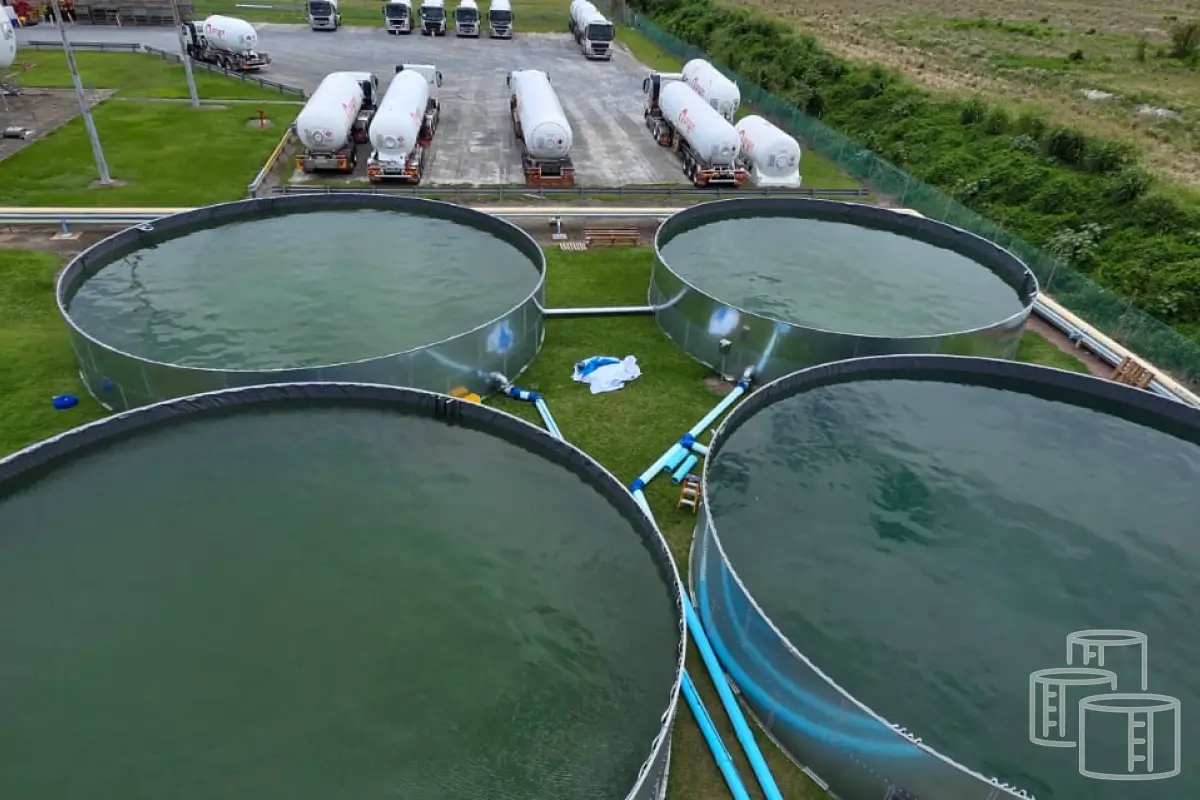
Above-ground tanks remain accessible but are exposed to surrounding activities.
Potential risks include:
- Accidental vehicle impacts.
- External mechanical damage.
- Weather-related deterioration.
- Uncontrolled leakage.
- Foundation movement.
- Unsafe maintenance access.
Visible leaks may be easier to identify during routine inspections. However, small leaks can still remain undetected without suitable monitoring.
Protective barriers and appropriate site layouts can reduce certain external risks.
Underground Storage Risks
Underground tanks face risks associated with surrounding ground conditions.
Potential concerns include:
- Hidden leakage.
- Groundwater ingress.
- External pressure.
- Structural movement.
- Restricted inspection access.
- Confined-space hazards.
Leakage may be more difficult to identify when the tank exterior is inaccessible. Undetected water loss can affect surrounding ground and infrastructure.
Monitoring arrangements should reflect the consequences of potential leakage.
Risk Management Considerations
Effective risk management begins during system design. Facilities should assess structural conditions, inspection requirements, and potential failure consequences.
Suitable controls may include:
- Appropriate engineering design.
- Safe access arrangements.
- Water level monitoring.
- Leak detection measures.
- Planned inspections.
- Emergency response procedures.
The required controls depend on the application and site conditions. Early damage detection can reduce the risk of operational disruptions. Professional tank repair may be necessary when inspections identify structural defects or leakage.
Which Water Storage Option Suits Different Industrial Sites?
Different industrial facilities have different operational priorities. Available space, site access, and maintenance requirements can influence storage configuration decisions.
The following scenarios illustrate common considerations.
Industrial Facilities with Available Outdoor Space
Facilities with sufficient outdoor space may find above-ground storage practical. Accessible tanks can simplify routine external inspections.
Above-ground systems may also provide flexibility when future infrastructure changes are expected. However, foundation conditions and surrounding activities still require assessment.
Facilities with Limited Surface Space
Some industrial facilities operate within restricted site boundaries. Surface areas may be needed for vehicles, equipment, or production activities.
Underground storage can preserve space for these operations. However, buried tanks must be compatible with ground conditions and expected surface loads.
The additional installation requirements should be considered early.
Sites with Difficult Ground Conditions
High groundwater levels or unstable soils can complicate underground construction. Excavation may require additional support or groundwater management.
These conditions can increase engineering complexity and costs. Above-ground storage may provide an alternative when suitable foundations can be constructed.
A site-specific assessment remains essential.
Facilities Requiring Frequent Inspection Access
Some operations require regular monitoring and maintenance. Accessible external components can simplify these activities.
Above-ground storage may offer advantages where inspection frequency is high. However, safe internal access remains necessary for both configurations.
The final decision should reflect the facility’s maintenance requirements.
How to Choose Between Above-Ground and Underground Water Storage
Selecting a storage configuration requires balancing several practical factors. A structured assessment helps identify which option better suits the project.
Key Questions to Consider
1. How much surface space is available?
Determine whether a tank can occupy the proposed area without disrupting operations.
2. What are the site’s ground conditions?
Review soil stability, groundwater levels, and relevant geotechnical information.
3. Will the installation experience external loads?
Consider nearby vehicles, equipment, structures, and operational activities.
4. How frequently will inspections be required?
Evaluate access requirements for routine checks, cleaning, and repairs.
5. What environmental conditions affect the site?
Consider sunlight, rainfall, flooding, temperature changes, and surrounding ground conditions.
6. Are future modifications expected?
Assess whether the storage system may require relocation, expansion, or infrastructure changes.
7. What installation restrictions apply?
Review access routes, construction limitations, underground services, and operational disruptions.
8. What are the expected long-term costs?
Compare installation expenses with inspection, maintenance, monitoring, and replacement requirements.
Making a Site-Specific Decision
These questions provide a starting point for evaluating storage options. However, final decisions should consider engineering requirements and applicable regulations.
Industrial facilities should also assess how each configuration supports long-term operational reliability. A suitable solution must balance practical accessibility, structural performance, and overall project costs.
Final Considerations
Above-ground and underground water storage systems can both support reliable industrial operations. However, their installation requirements, environmental exposure, and maintenance accessibility differ.
Above-ground storage generally offers easier external inspections and simpler access to visible components. Underground storage can preserve valuable surface space but requires careful ground and structural assessment.
Installation costs should also be considered alongside long-term maintenance requirements. The most suitable configuration depends on the facility’s operating conditions and infrastructure needs.
Careful planning helps industrial operators select water storage systems that remain practical throughout their intended service life.