A fire water tank plays a critical role in any fire protection system. It must remain fully operational at all times.
Proper maintenance ensures reliable performance during emergencies. Without regular care, the system may fail when it is needed most.
Understanding how to maintain a fire water tank helps reduce risks and extend system lifespan.
Why Fire Water Tank Maintenance is Important
Fire tanks store water for emergency situations. Any failure can compromise the entire fire protection system.
Over time, tanks are exposed to environmental conditions and internal wear. This can lead to corrosion, sediment buildup, and component failure.
Regular maintenance helps prevent these issues. It also ensures the system remains compliant and ready for use.
Key Steps to Maintain a Fire Water Tank
Maintaining a fire water tank involves several essential tasks.
Each step supports system performance and reliability.
1. Regular Visual Checks
Routine visual inspections help identify early signs of damage. Look for leaks, cracks, or corrosion on external surfaces.
Check access points, lids, and seals for proper condition. These areas are often exposed to weather and wear.
2. Monitor Water Levels
Maintaining correct water levels is critical for system readiness. Low levels can reduce system effectiveness during emergencies.
Ensure level indicators are working correctly. Regular monitoring helps avoid unexpected shortages.
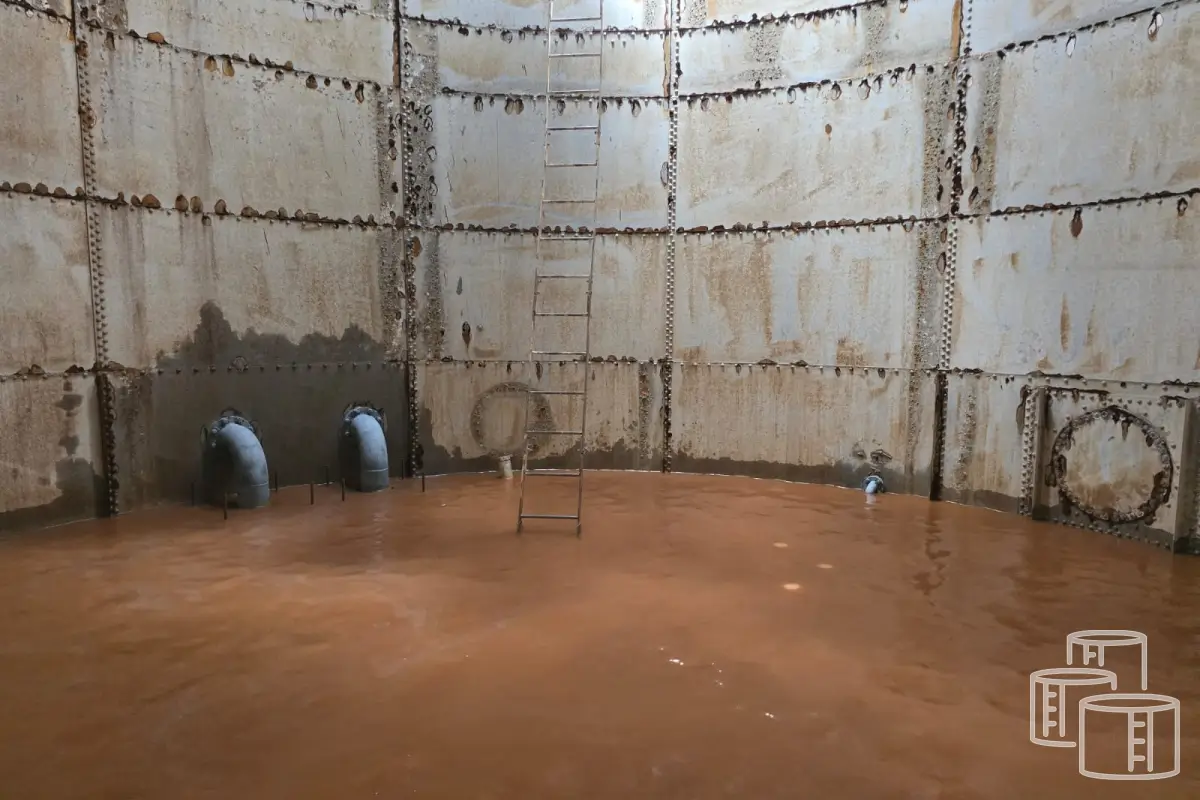
3. Remove Sediment and Debris
Sediment naturally accumulates over time inside the tank. This can affect water quality and system performance.
Debris may block outlets or damage internal components. Periodic cleaning helps maintain proper flow and efficiency.
4. Check Tank Components
Fire tanks include valves, pipes, and connection points. All components must function correctly at all times.
Inspect for wear, corrosion, or mechanical issues. Faulty components should be repaired or replaced promptly.
5. Prevent Corrosion
Corrosion is one of the most common issues in water tanks. It can weaken the structure and lead to leaks.
Protective coatings and liners help reduce corrosion risks. Regular checks ensure these protections remain effective.
6. Maintain Tank Surroundings
The area around the tank also affects its condition. Debris, vegetation, and dirt can cause long-term damage.
Keep the surrounding area clean and accessible. This also improves safety during maintenance activities.
How Often Should Maintenance be Performed?
Maintenance frequency depends on system usage and environment. However, regular upkeep is essential for all fire water tanks.
High-risk environments may require more frequent attention. Dust, debris, and weather conditions can accelerate wear.
Creating a maintenance schedule helps ensure consistency. It also reduces the risk of unexpected failures.
Common Mistakes to Avoid
Many issues arise from neglected or improper maintenance. Avoiding common mistakes can improve system reliability.
Ignoring small problems often leads to larger failures. Delaying cleaning increases sediment buildup and damage.
Unqualified handling can also create safety risks. Professional support ensures maintenance is done correctly.
The Importance of Professional Support
While basic checks can be done regularly, professional services are essential. Experts have the tools and knowledge to perform detailed maintenance.
They can detect hidden issues and recommend corrective actions. This helps prevent system failure and ensures long-term performance.
For reliable results, consider professional fire tank maintenance services when required.
How Maintenance Extends Tank Lifespan
Consistent maintenance protects the tank structure and components. It reduces wear and prevents serious damage over time.
Cleaning removes harmful contaminants that cause deterioration. Component checks ensure all parts remain functional.
A well-maintained tank can operate efficiently for many years. Preventative care is always more cost-effective than repairs.
Final Thoughts
Maintaining a fire water tank is essential for safety and reliability. It ensures the system performs effectively during emergencies.
Regular checks, cleaning, and component care make a significant difference. They help prevent failures and extend the system’s lifespan.
A proactive approach to maintenance reduces risks and supports compliance. It also ensures your fire protection system is always ready when needed.