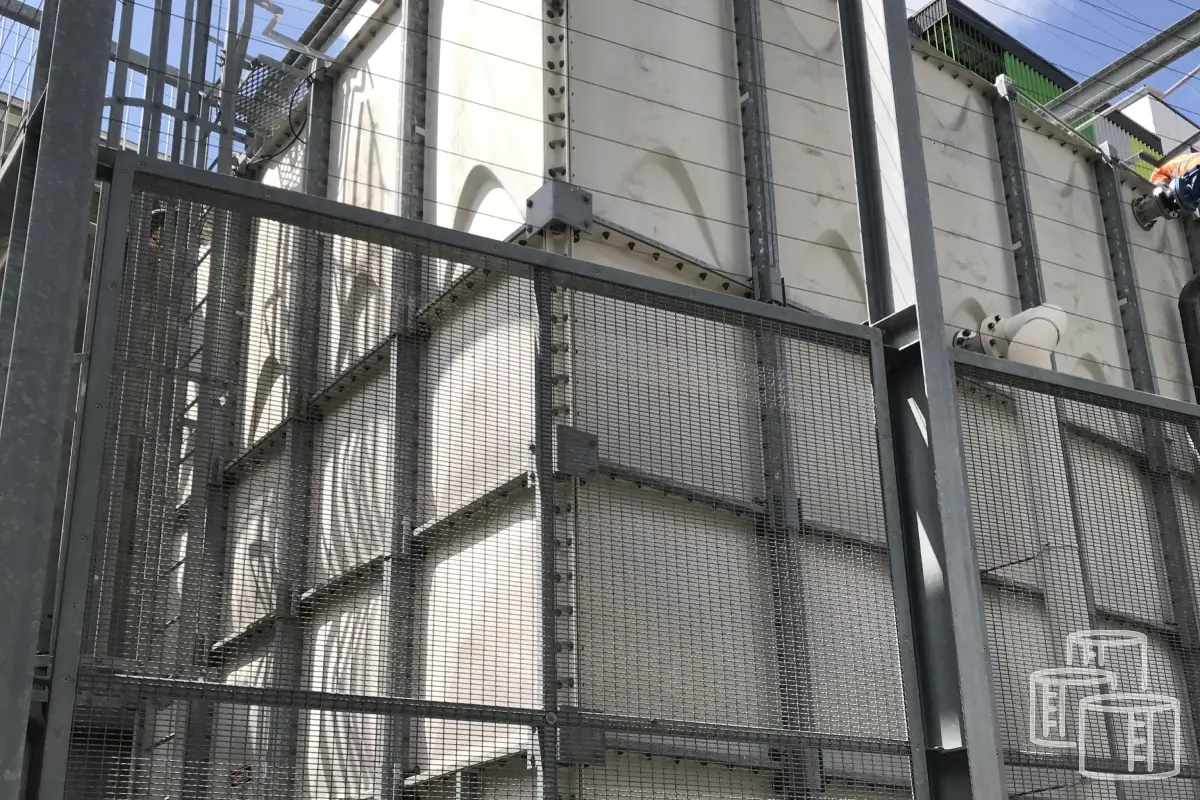
Choosing the correct water tank size is one of the most important decisions in any water storage project. A tank that is too small may struggle to meet demand during peak periods. A tank that is too large can increase installation costs and use valuable space unnecessarily.
Despite the importance of sizing, many projects rely on rough estimates rather than accurate calculations. This often leads to operational challenges and higher long-term expenses.
Understanding common sizing mistakes can help facility owners select a storage solution that meets both current and future needs.
Why Accurate GRP Water Tank Sizing Matters
Water storage requirements vary between buildings and industries. A small office may need only a modest reserve, while a hotel or manufacturing facility may require significantly greater capacity.
The correct tank size helps ensure:
- Reliable water availability
- Consistent system performance
- Reduced operational risks
- Better use of available space
- Cost-effective infrastructure planning
Proper sizing should always balance demand, reserve requirements, and future growth.
Mistake #1 – Estimating Only Current Water Demand
One of the most common mistakes is sizing a tank based solely on present water usage. While current consumption provides a useful starting point, it does not account for future changes. Businesses often expand operations, increase staffing levels, or add new facilities over time.
For example, a warehouse that currently employs 50 people may double its workforce within several years. A tank sized only for today’s requirements could become inadequate much sooner than expected.
When assessing capacity needs, consider:
- Expected business growth
- Planned facility expansions
- Increased occupancy levels
- Future operational requirements
Allowing for growth can prevent costly upgrades later.
Mistake #2 – Ignoring Peak Usage Periods
Average daily consumption does not always reflect actual demand patterns. Many facilities experience periods of heavy water use throughout the day. Schools, hotels, apartment buildings, and sports facilities often have predictable peak demand periods.
If sizing calculations focus only on average consumption, the tank may not provide sufficient storage during these high-demand times.
Peak demand should be evaluated alongside average usage. This creates a more realistic picture of storage requirements and helps maintain reliable supply when it is needed most.
Mistake #3 – Forgetting Emergency Water Storage Requirements
Emergency reserves are often overlooked during the planning stage.
Unexpected events such as supply interruptions, maintenance work, equipment failures, or extreme weather can affect water availability.
Many facilities require additional storage to maintain operations during these situations.
Emergency reserves may be particularly important for:
- Hospitals
- Schools
- Commercial buildings
- Industrial facilities
- Residential developments
Including contingency storage in sizing calculations improves resilience and operational continuity.
Mistake #4 – Not Planning for Future Growth
Growth planning deserves separate consideration because it is frequently underestimated. A tank that appears adequate today may become undersized within a few years. Replacing or expanding water storage infrastructure can be expensive and disruptive.
This is where modular systems provide a significant advantage. Many GRP water tanks can be expanded by adding additional panels when greater capacity is required.
However, future expansion should still be considered during the initial design phase. Planning ahead often reduces costs and simplifies future upgrades.
Mistake #5 – Choosing a Tank Based on Available Space Alone
Physical space is an important factor, but it should not be the primary sizing criterion. Some projects select a tank simply because it fits a designated area. While this approach may solve immediate space constraints, it can create long-term capacity issues.
Instead, begin with water storage requirements and then identify the most suitable tank configuration.
Modular GRP tanks offer flexibility because they can be designed in different lengths, widths, and heights. This helps maximise available space while still meeting storage needs.
A properly designed layout should balance both capacity and site limitations.
Mistake #6 – Overestimating Required Capacity
Undersizing receives considerable attention, but oversizing can also create problems.
Larger tanks generally involve:
- Higher purchase costs
- Increased installation expenses
- Additional structural requirements
- Greater maintenance responsibilities
Excessively large tanks may also result in longer water retention periods. In some applications, this can affect water quality management.
The goal is not to choose the biggest tank available. The goal is to determine the most appropriate capacity for the application. Accurate calculations help avoid unnecessary expenditure while maintaining reliable performance.
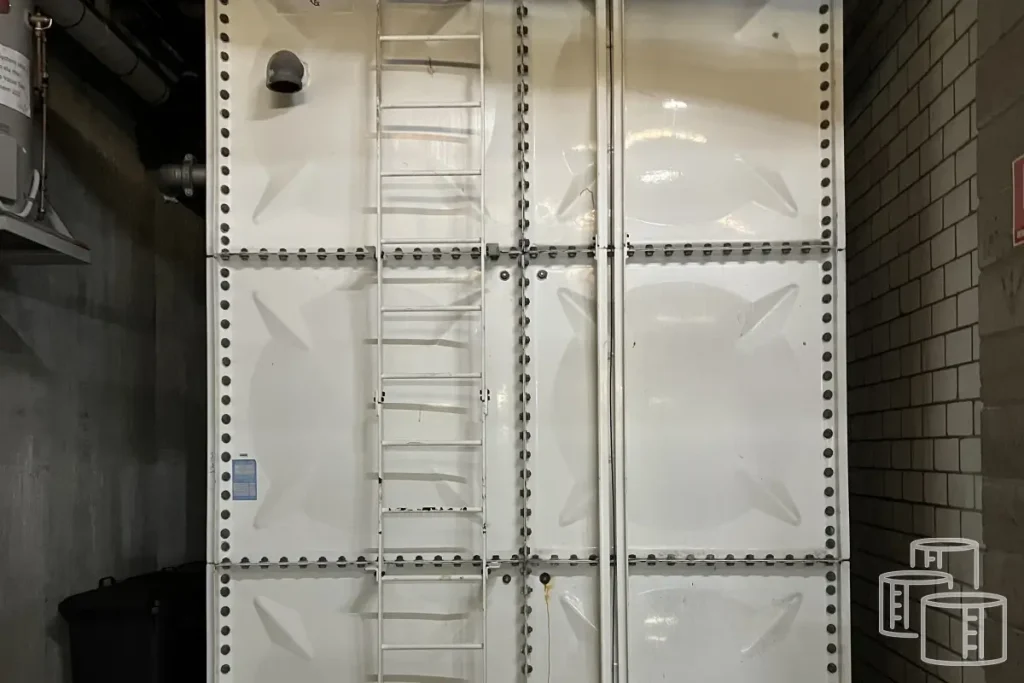
How to Determine the Right GRP Water Tank Size
Effective sizing starts with a structured assessment of water requirements.
Assess Daily Water Demand
Calculate the average volume of water used each day.
Factors may include:
- Occupancy levels
- Employee numbers
- Operational processes
- Equipment requirements
- Sanitary facilities
Accurate consumption data provides a strong foundation for sizing decisions.
Consider Peak Usage
Identify periods when water demand is highest. Understanding peak demand helps ensure the tank can support short-term spikes without affecting operations.
Include Reserve Storage
Reserve capacity should account for emergencies, maintenance activities, and temporary supply interruptions. The appropriate reserve volume will vary depending on facility type and operational requirements.
Plan for Future Expansion
Growth projections should be incorporated into every sizing assessment. This approach reduces the likelihood of premature upgrades and helps maximise long-term value.
Why Modular GRP Tanks Simplify Capacity Planning
Traditional storage solutions can be difficult to modify once installed. GRP tanks provide greater flexibility because they are assembled from modular panels. This design allows engineers to configure capacity according to specific site requirements.
Additional benefits include:
- Flexible dimensions
- Easier transportation
- Scalable storage capacity
- Adaptability for restricted spaces
These advantages are among the reasons many organisations choose GRP systems for commercial and industrial water storage. You can learn more about these advantages in our article on key benefits of GRP water tanks.
The modular design also supports future expansion, making capacity planning more manageable over the long term.
Conclusion
Choosing the correct water tank size requires more than a simple estimate of current water usage. Common mistakes such as ignoring peak demand, overlooking emergency reserves, and failing to plan for growth can lead to costly problems later.
Effective GRP water tank sizing involves assessing daily demand, reserve storage needs, and future expansion plans. By evaluating these factors carefully and selecting a flexible GRP solution, facility owners can create a reliable water storage system that supports long-term operational needs.