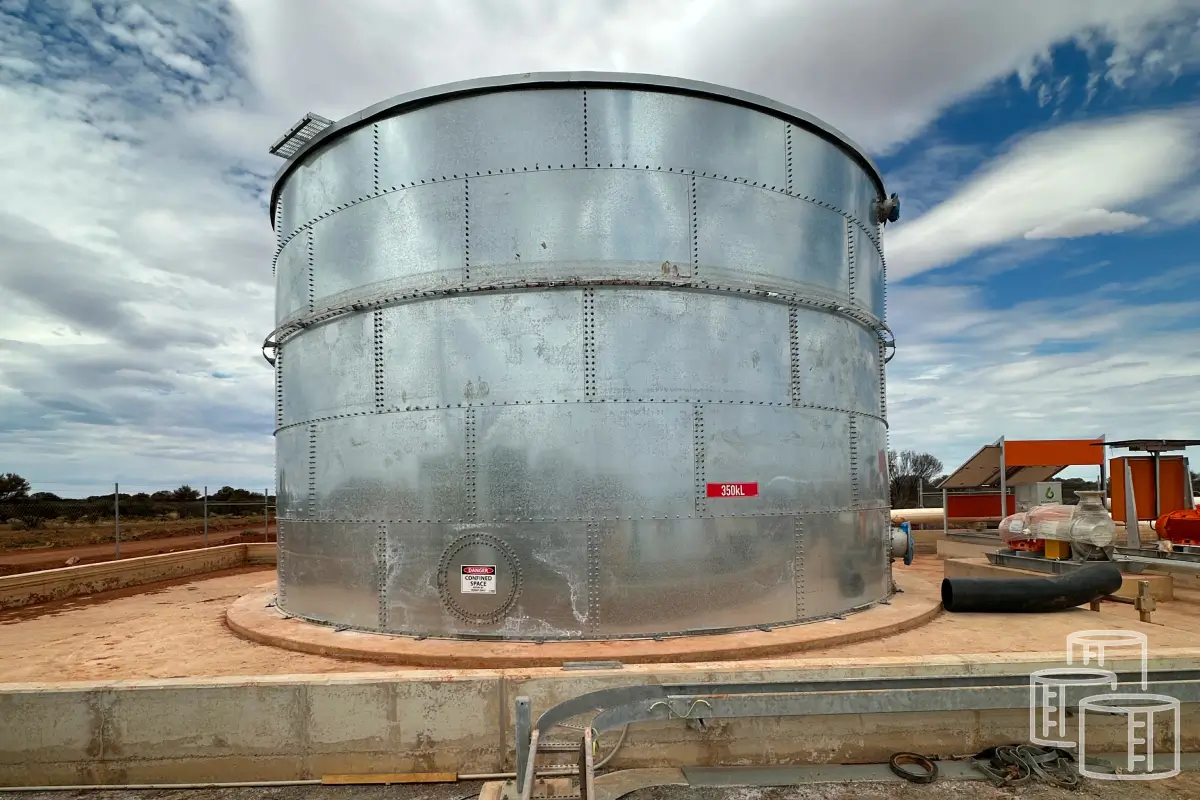
Fire water tanks play a vital role in protecting buildings, industrial sites, and public facilities. They provide a dedicated water supply when firefighters or fire protection systems need it most. However, even the best-designed tank cannot perform as expected if its condition deteriorates over time.
A fire water tank inspection is the process of assessing a tank’s structural integrity, mechanical components, and overall condition. Regular inspections help identify developing issues before they become costly failures. They also support compliance with Australian standards and ensure fire protection systems remain ready for emergencies.
This guide explains what a fire water tank inspection involves, why it matters, how inspections are performed, and what happens after the assessment is complete.
What is a Fire Water Tank Inspection?
A fire water tank inspection is a detailed assessment of a tank used to store water for firefighting purposes. The goal is to verify that the tank can safely store and deliver water whenever a fire emergency occurs.
Unlike a quick visual check, a professional inspection examines multiple parts of the tank. Inspectors assess both visible and hidden components to identify wear, corrosion, leaks, structural movement, or other signs of deterioration.
Depending on the tank type and inspection scope, the assessment may include external observations, internal examinations, and checks of connected components such as valves, outlets, overflow systems, and access structures.
Inspections also create a documented record of the tank’s condition. This information helps owners plan maintenance, prioritise repairs, and demonstrate compliance with applicable standards.
Simply put, inspections answer one important question:
Is the fire water tank ready to perform when it is needed?
Why are Fire Water Tank Inspections Important?
Fire water tanks often remain unused for long periods. This can create a false sense of security. While the tank appears to be in good condition, internal deterioration may already be developing.
Regular inspections reduce this risk by identifying problems early.
The benefits include:
- ensuring reliable water availability during emergencies
- identifying structural defects before they worsen
- detecting corrosion and coating deterioration
- reducing unexpected repair costs
- supporting long-term asset management
- improving system reliability
- assisting with regulatory compliance
- extending the service life of the tank
Routine inspections also help facility managers make informed maintenance decisions. Instead of reacting to failures, they can address minor issues before they become major repairs.
Australian Standards for Fire Water Tank Inspections
Australia has established standards that guide the inspection and maintenance of fire protection systems. While inspection requirements vary depending on the installation, these standards provide a framework for maintaining reliable fire water storage.
AS 1851
AS 1851 is one of the primary Australian standards for routine servicing of fire protection systems and equipment. It outlines inspection and maintenance requirements for many fire protection assets, including water storage systems connected to fire services.
The standard helps ensure that systems continue operating as intended throughout their service life.
Tank Design Standards
Fire water tanks may also be designed and installed under specific Australian Standards that apply to their construction, materials, and intended use. Inspection programs often consider these design requirements when assessing the ongoing condition of the asset.
Manufacturer Recommendations
Tank manufacturers frequently provide inspection guidance based on the tank’s construction materials, coatings, and accessories. Following these recommendations helps maintain warranty conditions and maximise the expected service life of the tank.
Site-Specific Requirements
Some facilities operate under additional industry regulations or insurance requirements. Mining operations, industrial plants, commercial buildings, and critical infrastructure may require more comprehensive inspection programs based on operational risks.
What Does a Fire Water Tank Inspection Include?
Although every inspection is different, most assessments follow a systematic process that examines the entire tank.
External Inspection
The external inspection evaluates the overall condition of the tank and surrounding infrastructure.
Inspectors typically examine:
- external corrosion
- paint or protective coating condition
- leaks or water staining
- roof condition
- access ladders
- safety cages
- platforms
- vents
- overflow systems
- foundations
- signs of settlement
- structural deformation
- external pipework
Any visible deterioration is documented for further assessment.
Internal Inspection
Internal inspections provide valuable information about the tank’s condition.
Depending on the inspection method, assessors may examine:
- corrosion inside the tank
- sediment accumulation
- sludge deposits
- biological growth
- damaged coatings
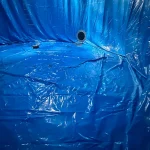
- liner condition
- internal structural members
- bolt connections
- water contamination
- signs of previous repairs
Because many defects develop internally, this stage often reveals issues that cannot be seen from outside.
Structural Assessment
The structural condition of the tank is carefully evaluated.
Inspectors assess components such as:
- tank walls
- floor condition
- roof supports
- joints
- bolts
- panel connections
- support frames
- foundations
The purpose is to identify movement, deterioration, or damage that may affect long-term performance.
Mechanical Components
Fire water tanks operate as part of a larger fire protection system. During inspections, connected equipment is also assessed where applicable.
This may include:
- inlet pipework
- outlet pipework
- isolation valves
- drain valves
- overflow assemblies
- level indicators
- access hatches
- pipe supports
- pump connection points
These components must function correctly to ensure reliable water delivery during an emergency.
Water Condition
Although inspections are not always water quality tests, inspectors generally assess the condition of the stored water.
They may look for:
- excessive sediment
- floating debris
- algae growth
- contamination
- unusual colour
- unpleasant odours
Poor water condition can indicate internal deterioration or maintenance issues requiring further investigation.
Common Types of Fire Water Tanks Inspected
Fire water tanks are constructed from different materials. Each type presents unique inspection requirements.
Common tank types include:
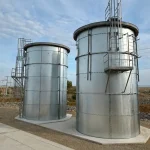
- steel fire water tanks
- concrete tanks
- reinforced concrete reservoirs
- bolted panel tanks
- hot-dipped galvanised tanks
- glass-fused-to-steel tanks
- polyethylene tanks
- stainless steel tanks
Inspectors adjust their assessment methods according to the construction material and design characteristics of each tank.
How is a Fire Water Tank Inspection Performed?
Professional inspections follow a structured process designed to assess every important part of the asset. Although the exact procedure varies, most inspections include several key stages.
Step 1: Review Existing Records
Before arriving on site, inspectors often review previous inspection reports, maintenance records, repair history, and available design documentation. This helps identify recurring issues and areas requiring closer attention.
Step 2: Conduct Safety Preparations
Safety is always the first priority. Inspectors assess site hazards, confirm access arrangements, and prepare the equipment needed for the inspection.
If an internal inspection is required, additional safety procedures may apply depending on the inspection method and tank configuration.
Step 3: Perform the External Assessment
The inspection usually begins with a complete walk-around of the tank. Inspectors carefully examine the exterior for visible defects, corrosion, structural movement, damaged coatings, leaks, and deterioration of associated components.
They also assess surrounding conditions that may affect the tank over time, such as drainage issues or vegetation growth.
Step 4: Examine Internal Components
Where required, the internal condition of the tank is assessed. This stage focuses on identifying corrosion, sediment, liner damage, biological growth, coating failures, and structural deterioration that cannot be seen from outside.
Photographs are often taken to document any significant findings.
Step 5: Inspect Connected Equipment
The inspection extends beyond the storage vessel itself. Inspectors review valves, outlets, pipework, overflow systems, access structures, vents, and other components that contribute to the overall performance of the fire water storage system.
Step 6: Record Findings
Every observation is documented. Inspectors record the condition of individual components, photograph defects, and classify issues according to their severity.
Accurate documentation provides a clear record of the tank’s condition at the time of inspection.
Step 7: Prepare Recommendations
The final stage is preparing recommendations for future action. These recommendations may include routine maintenance, further investigation, repairs, or ongoing monitoring depending on the inspection findings.
What Documentation is Produced After an Inspection?
A fire water tank inspection does more than identify defects. It also creates a permanent record of the tank’s condition. This documentation helps property owners, facility managers, and maintenance teams make informed decisions.
The level of detail depends on the inspection scope, tank type, and applicable standards. However, most professional inspections include similar records.
Typical documentation includes:
- inspection summary
- condition assessment
- photographs of inspected areas
- identified defects
- structural observations
- maintenance recommendations
- repair priorities
- compliance records where applicable
Photographs are particularly valuable because they provide visual evidence of the tank’s condition. They also make it easier to compare future inspections and monitor deterioration over time. Inspection reports often classify defects according to their severity. Minor cosmetic issues may simply require monitoring, while structural defects or active leaks may need immediate attention.
Keeping inspection records together with maintenance documentation provides a complete history of the asset throughout its service life.
How Inspections Support Preventive Maintenance
Inspection and maintenance are closely connected, but they are not the same process. An inspection identifies the current condition of the tank. Maintenance restores or preserves that condition.
Understanding the difference helps property owners plan maintenance more effectively.
| Inspection | Maintenance |
|---|---|
| Assesses the condition of the tank | Repairs or services the tank |
| Identifies defects | Corrects identified defects |
| Produces reports | Completes physical work |
| Supports maintenance planning | Improves system reliability |
| Documents asset condition | Extends service life |
Without inspections, maintenance often becomes reactive. Problems may remain unnoticed until they cause leaks, structural damage, or system failures. Preventive maintenance relies on inspection findings to address issues before they become more serious.
For example, an inspection may detect:
- early corrosion
- damaged protective coatings
- loose bolts
- small leaks
- sediment accumulation
- deteriorating seals
Addressing these issues early is generally more cost-effective than waiting for major repairs. Inspection results also help maintenance teams prioritise work based on risk rather than guesswork.
Regular inspections are most effective when combined with a proactive fire tank maintenance program.
How Often Should Fire Water Tanks be Inspected?
There is no single inspection schedule that applies to every fire water tank. The appropriate frequency depends on several factors, including the tank’s design, operating environment, maintenance history, and applicable Australian standards.
Inspection intervals may also vary according to site-specific risk assessments and manufacturer recommendations.
Several factors influence how often inspections should be carried out:
- applicable Australian Standards
- tank construction material
- age of the tank
- environmental conditions
- exposure to coastal or industrial environments
- previous inspection findings
- maintenance history
- operational requirements
For example, tanks located in coastal areas may require closer monitoring because salt exposure can accelerate corrosion. Similarly, older tanks may benefit from more frequent condition assessments than newly installed systems. Property owners should always follow their maintenance program and relevant standards when planning inspection schedules.
Routine inspections help establish a consistent record of the tank’s condition over time. This allows gradual deterioration to be identified before it develops into a major problem.
Common Issues Found During Fire Water Tank Inspections
Even well-maintained fire water tanks can develop defects over time. Environmental exposure, ageing materials, and normal wear all contribute to gradual deterioration. Professional inspections are designed to identify these issues as early as possible.
Some of the most common findings include:
Corrosion
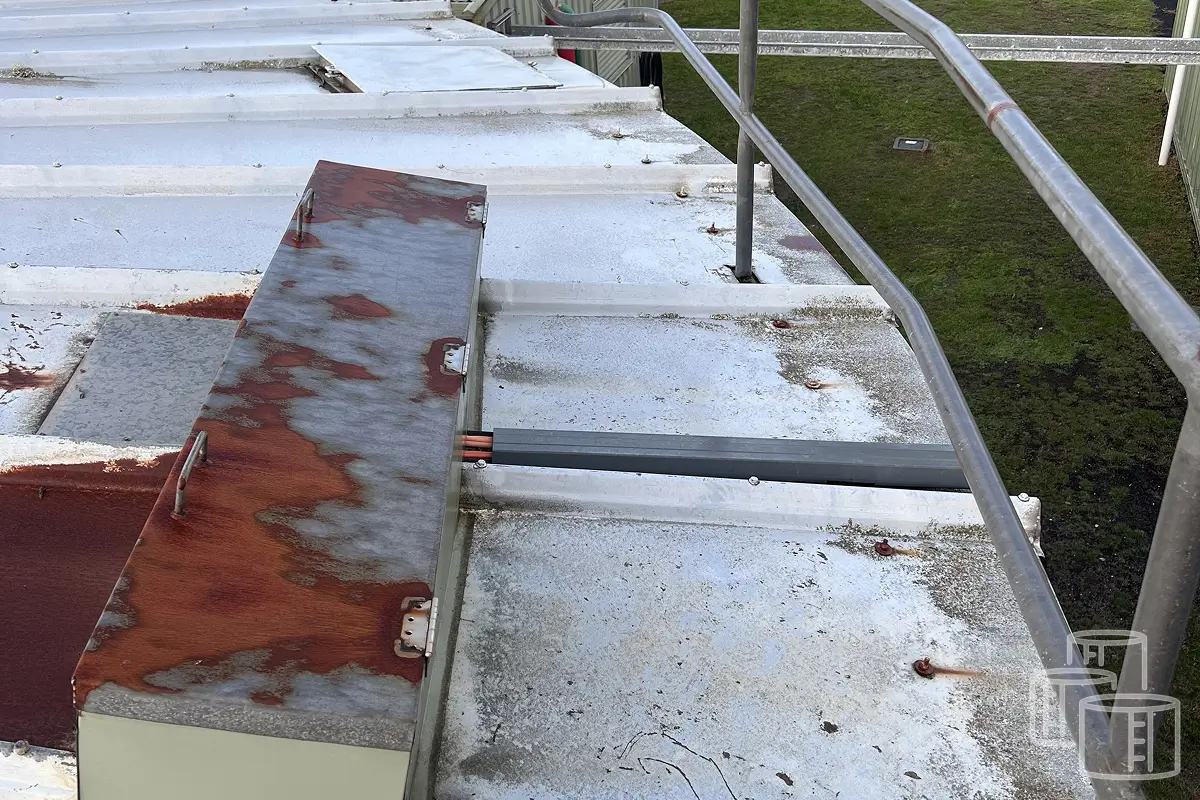
Corrosion is one of the most frequently identified problems in steel fire water tanks. It may affect external surfaces, internal walls, roof structures, bolts, or pipe connections.
If left untreated, corrosion can weaken structural components and increase the likelihood of leaks.
Sediment Build-Up
Sediment naturally accumulates over time. Excessive deposits can reduce storage capacity and affect the overall condition of the tank.
Heavy sediment may also indicate that cleaning or additional maintenance is required.
Protective Coating Deterioration
Protective coatings help prevent corrosion and extend the service life of the tank. Over time, coatings may blister, crack, peel, or wear away due to environmental exposure.
Damaged coatings often require maintenance before corrosion develops beneath the surface.
Leaks
Small leaks may appear around joints, pipe connections, seals, or structural panels. Although minor leaks may seem insignificant, they often indicate underlying deterioration that requires further investigation.
Damaged Liners
Many fire water tanks use internal liners to protect the structure and maintain water containment.
Inspection may reveal:
- tears
- punctures
- wrinkles
- separation
- general wear
Early repairs can prevent larger failures from developing.
Structural Movement
Inspectors also look for signs of movement that may affect the tank’s stability.
Examples include:
- settlement
- wall deformation
- foundation movement
- roof distortion
- loose structural connections
These issues may require engineering assessment depending on their severity.
Biological Growth
Algae and other biological growth can develop inside tanks under certain conditions. Although inspections are not laboratory water quality tests, visible biological contamination may indicate that cleaning or further investigation is needed.
What Happens After a Fire Water Tank Inspection?
The inspection itself is only one part of the overall asset management process. Once the assessment is complete, the findings are reviewed and used to plan future actions.
A typical post-inspection process includes the following steps.
Inspection Report Issued
The inspector prepares a detailed report summarising the assessment. The report outlines the overall condition of the tank and documents any defects that were identified.
Findings are Reviewed
Property owners or facility managers review the inspection results to understand the condition of the asset. This helps determine which issues require immediate attention and which can be monitored over time.
Maintenance is Planned
Inspection findings often form the basis of a maintenance program. Repairs are prioritised according to their severity, operational impact, and potential safety risks.
Repairs are Completed
Where necessary, maintenance teams carry out repairs to restore the tank to an acceptable condition. The scope of work depends entirely on the inspection findings.
Records are Updated
Inspection reports, maintenance records, and repair documentation should all be retained as part of the asset’s maintenance history. Maintaining accurate records helps support future inspections and long-term asset management.
Follow-Up Inspections may be Scheduled
If significant defects are identified, additional inspections may be recommended after repairs have been completed. These follow-up assessments help confirm that corrective actions have addressed the identified issues.
Benefits of Regular Fire Water Tank Inspections
Routine inspections provide long-term value for both safety and asset management. Rather than responding to failures after they occur, property owners can make informed decisions based on the actual condition of the tank.
Key benefits include:
- improved fire system reliability
- early detection of developing defects
- reduced risk of unexpected failures
- better maintenance planning
- longer service life
- lower long-term repair costs
- improved asset management
- greater operational confidence
- support for regulatory compliance
- documented inspection history
Regular inspections also help reduce uncertainty. Instead of assuming the tank is functioning correctly, owners have clear evidence of its condition.
Conclusion
Fire water tank inspections play an essential role in maintaining reliable fire protection systems. While these tanks may remain unused for extended periods, their condition can change due to ageing, environmental exposure, and normal wear. Routine inspections help identify corrosion, leaks, structural deterioration, sediment build-up, and other issues before they affect system performance.
The information collected during an inspection also supports preventive maintenance, informed repair decisions, and long-term asset management.
By following a structured inspection program and maintaining accurate documentation, property owners can improve system reliability, extend the service life of their assets, and ensure their fire water tanks remain ready to perform when an emergency occurs.