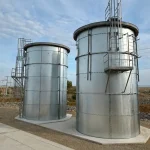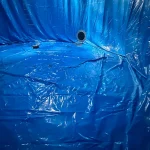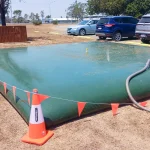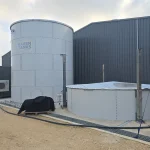
Industrial water storage systems must be installed correctly to support long-term operational performance. Many facilities use industrial panel tanks because their modular design simplifies transportation, assembly, and installation.
Unlike large preassembled storage systems, industrial panel tanks are delivered in separate sections and assembled directly on-site. This approach improves installation flexibility for commercial and industrial projects.
Many businesses choose industrial panel tanks because they can adapt to different site conditions and infrastructure requirements.
What are Industrial Panel Water Tanks?
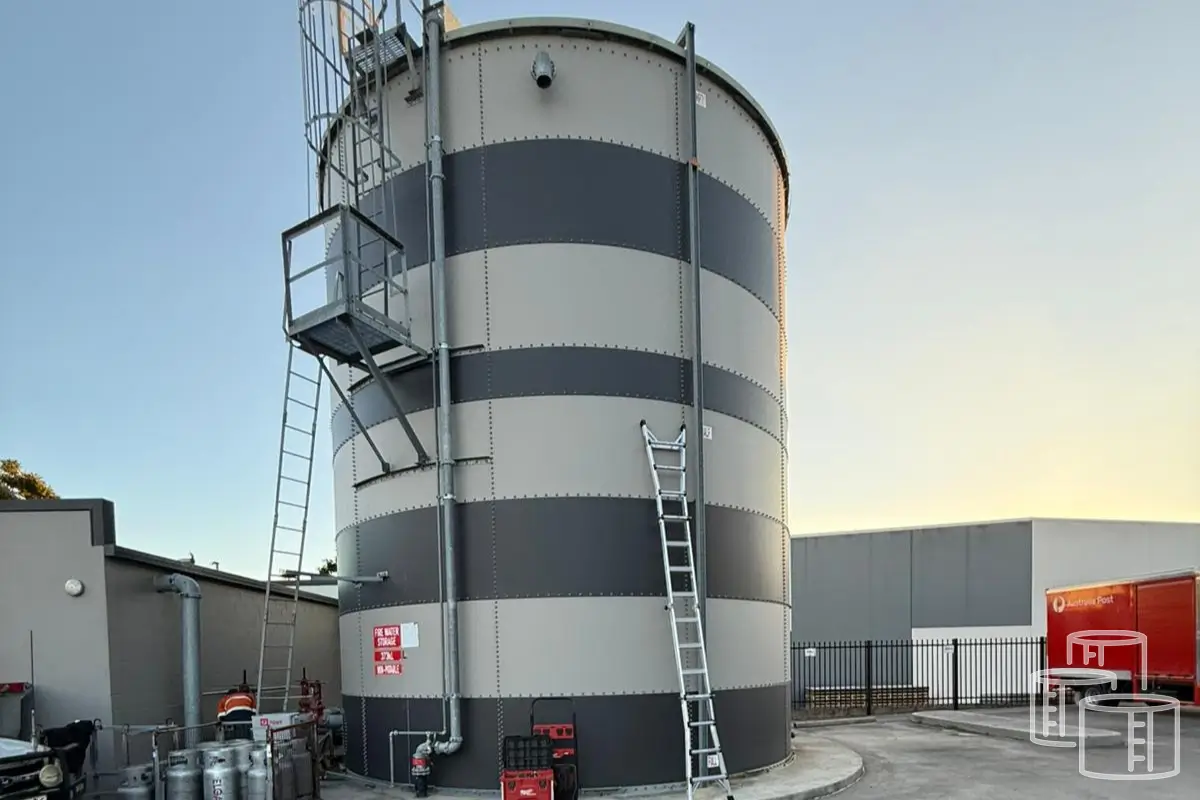
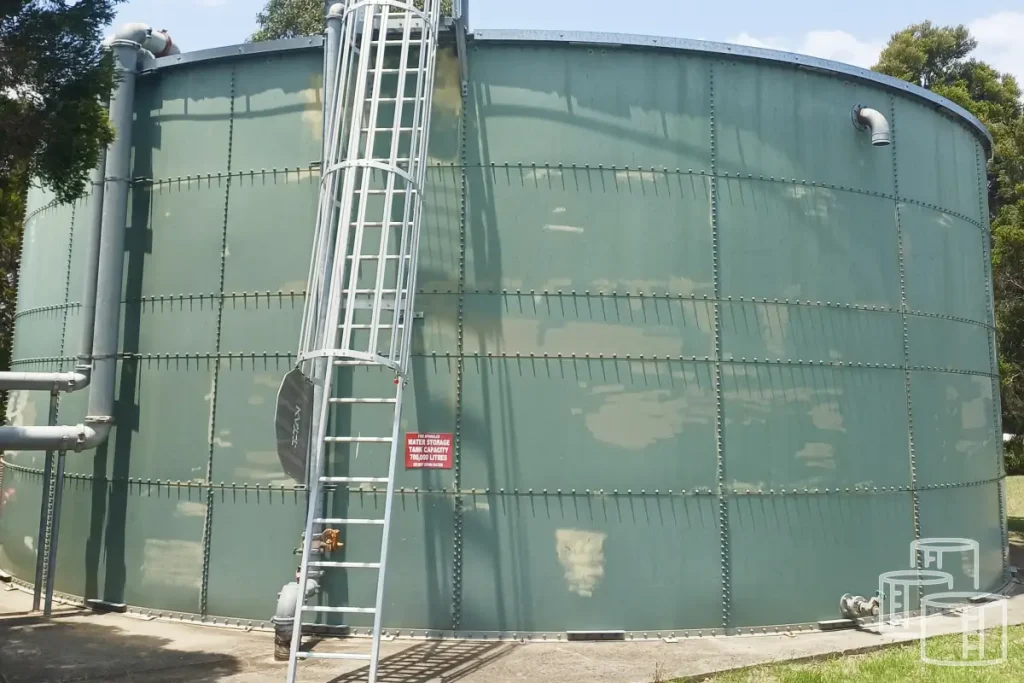
Industrial panel water tanks are modular storage systems built from individual panels connected during installation.
These tanks are commonly used for:
- potable water storage
- process water systems
- fire protection reserves
- cooling water storage
- industrial operations
Panel tanks can be manufactured from materials such as:
- GRP
- galvanised steel
- stainless steel
The selected material depends on environmental conditions, water quality requirements, and operational needs.
Why Modular Installation Matters
Large industrial storage systems can create transportation and installation challenges. Oversized tanks may require special transport permits or large access routes. Industrial tanks simplify these issues because separate panels are easier to transport and handle.
Modular installation provides several advantages:
- easier transportation
- flexible site access
- adaptable assembly
- scalable tank sizes
- reduced installation limitations
This flexibility makes panel tanks suitable for both new projects and infrastructure upgrades.
Site Preparation Before Installation
Proper site preparation is essential before tank assembly begins. Installation teams first assess the project location and structural requirements. The supporting base must remain level and strong enough to support the full operational weight of the tank.
Common preparation steps include:
- foundation inspection
- base levelling
- structural assessment
- drainage planning
- access verification
Incorrect site preparation may affect long-term tank performance and structural stability.
Delivery of Tank Panels
Industrial panel water tanks are typically delivered in separate sections rather than as complete storage units. This simplifies transportation and reduces logistical challenges on restricted industrial sites.
Delivered components may include:
- wall panels
- base panels
- roof panels
- support structures
- fasteners and sealing materials
Separate delivery also helps installation teams organise assembly more efficiently.
On-Site Tank Assembly
After site preparation, installation teams begin assembling the tank structure. The assembly process usually starts with the base section, followed by wall panels and roof components. Panels are connected using bolts, sealing systems, and structural supports.
During assembly, installers carefully check:
- panel alignment
- sealing integrity
- structural stability
- connection security
Accurate assembly helps maintain water tightness and long-term operational reliability.
You can also explore operational advantages in key benefits of industrial panel tanks.
Installation Flexibility for Different Sites
One major advantage of industrial panel tanks is installation flexibility. Panel systems can be assembled in locations where large preassembled tanks may not fit.
Common installation environments include:
- rooftops
- plant rooms
- basements
- restricted access zones
- external service areas
This flexibility supports more efficient infrastructure planning in industrial and commercial facilities.
Tank Insulation and Additional Features
Some industrial panel tanks include insulated panel systems to help maintain stable water temperatures.
Additional features may also include:
- internal ladders
- access hatches
- overflow systems
- level monitoring equipment
- protective coatings
These features are selected according to operational requirements and project specifications.
Inspection and Testing After Assembly
Once installation is complete, the tank system undergoes inspection and testing procedures.
Testing helps verify:
- structural integrity
- watertight performance
- connection security
- operational readiness
Inspection procedures may vary depending on project requirements and applicable regulations. Routine inspections also remain important after installation to support long-term performance.
Why Proper Installation Supports Long-Term Performance
Correct installation plays an important role in tank durability and operational reliability. Poor assembly or structural misalignment may increase maintenance risks over time.
Professional installation helps improve:
- structural stability
- leak prevention
- operational safety
- maintenance efficiency
- long-term durability
Well-installed systems generally provide more reliable long-term performance.
You can also learn more about planning requirements in factors to consider before installing industrial panel tanks.
Why Industrial Panel Tanks Support Efficient Installation
Industrial panel tanks remain popular because their modular design simplifies transportation, assembly, and infrastructure integration.
Their sectional construction allows installation teams to adapt systems to different project environments and operational requirements. Many industrial facilities also value their scalability, installation flexibility, and long-term durability.
As modern infrastructure projects continue evolving, industrial panel tanks remain an effective solution for large-scale water storage installation.