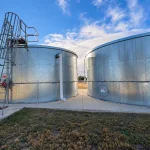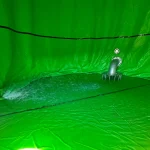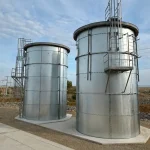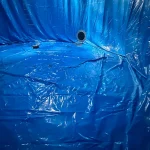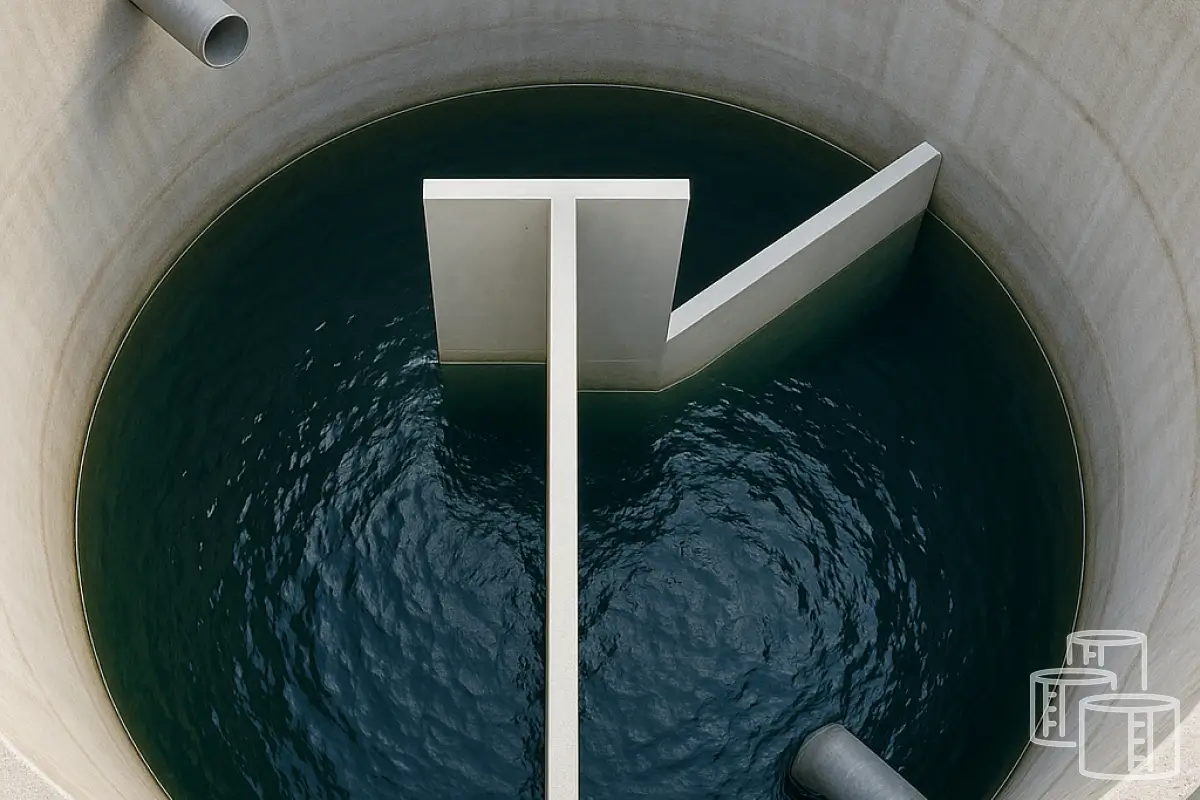
Working inside storage tanks involves specific operational and environmental challenges. Confined space conditions, limited airflow, moisture, and residue buildup can complicate inspections, cleaning, and maintenance activities. To manage these challenges more effectively, temporary internal separation is often required. One approach referenced in industrial practice is the use of curtains in storage tanks to support controlled internal operations.
This article explains how industrial curtains are used inside storage tanks and how they support safer and more organized internal work.
Operational Conditions Inside Storage Tanks
Storage tanks are enclosed environments with restricted access and limited ventilation. Internal work often needs to be carried out in stages, with different tasks occurring in separate areas of the same tank. Without temporary separation, these activities can interfere with each other and reduce efficiency.
Because tanks vary in size, shape, and internal layout, fixed partitions are rarely practical. Flexible, temporary solutions are therefore preferred when internal zoning is required.
What Industrial Curtains do Inside Tanks
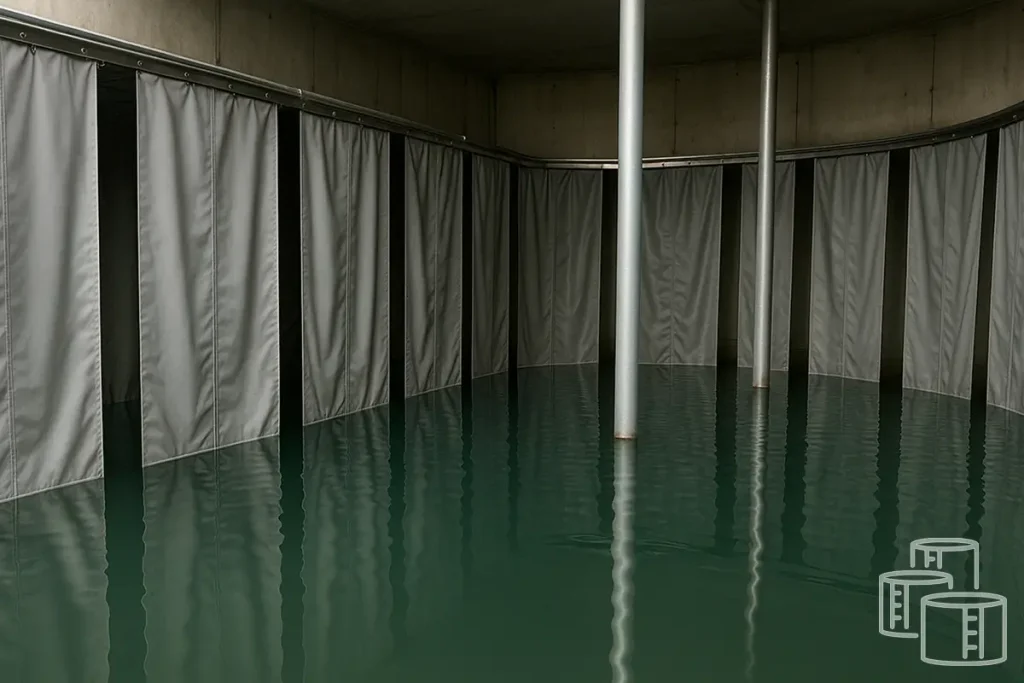
Industrial curtains used inside storage tanks act as non-permanent internal barriers. They do not form part of the tank structure and are used only during active operations. Their primary role is to create temporary separation within the tank to help manage conditions and workflows.
Common functions include:
- separating active work zones from inactive areas
- limiting the spread of moisture or debris
- helping guide airflow during ventilation
- improving visibility and internal organization
These functions support more predictable working conditions without permanent modifications.
Environmental Control and Workflow Support
Managing environmental conditions is critical during internal tank operations. Curtains can help isolate areas where moisture, airborne particles, or temperature variations need to be controlled. This localized separation can be especially useful during cleaning or surface preparation activities.
From a workflow perspective, dividing the tank interior allows teams to focus on specific tasks without constant disruption. Clear separation between work zones helps reduce unnecessary movement and supports smoother coordination.
Adaptability to Tank Interiors
One of the key advantages of using curtains in storage tanks is their adaptability. Storage tanks often have curved walls, limited attachment points, and varying internal dimensions. Curtains can be adjusted to suit these conditions more easily than rigid partitions.
Their flexible design allows them to follow internal contours and accommodate different tank configurations, making them suitable for a wide range of tank types.
Typical Internal Use Scenarios
Curtains in storage tanks are commonly referenced during:
- internal inspections requiring localized access
- cleaning operations involving water or residue removal
- surface preparation before coating or lining work
- staged maintenance tasks within the same tank
In each case, curtains function as a temporary support measure that enhances control during internal operations.
Final Thoughts
Internal tank operations require careful management of space, environment, and workflow. The use of curtains in storage tanks provides a flexible way to support these needs without altering the tank structure. By enabling temporary separation and localized control, industrial curtains help create clearer, more manageable working conditions during internal tank activities.
For readers looking to explore how flexible curtain systems are applied in controlled industrial environments, additional technical information is available through industrial curtain systems used in tank operations.