Tank bladders have become one of the most practical solutions for flexible water storage across many industries. They provide a reliable alternative to traditional rigid tanks while offering greater portability and efficient use of available space.
From fire protection and agriculture to mining and construction, tank bladders support projects where dependable water storage is essential. Their flexible design allows them to be transported, installed, and relocated with minimal effort.
Modern tank bladders are manufactured from durable reinforced materials that withstand demanding operating conditions. They are available in a wide range of capacities and can also be customised to meet specific project requirements.
This guide explains what a tank bladder is, how it works, where it is used, and what factors to consider before choosing one. You will also learn about materials, advantages, maintenance requirements, and typical costs.
What is a Tank Bladder?
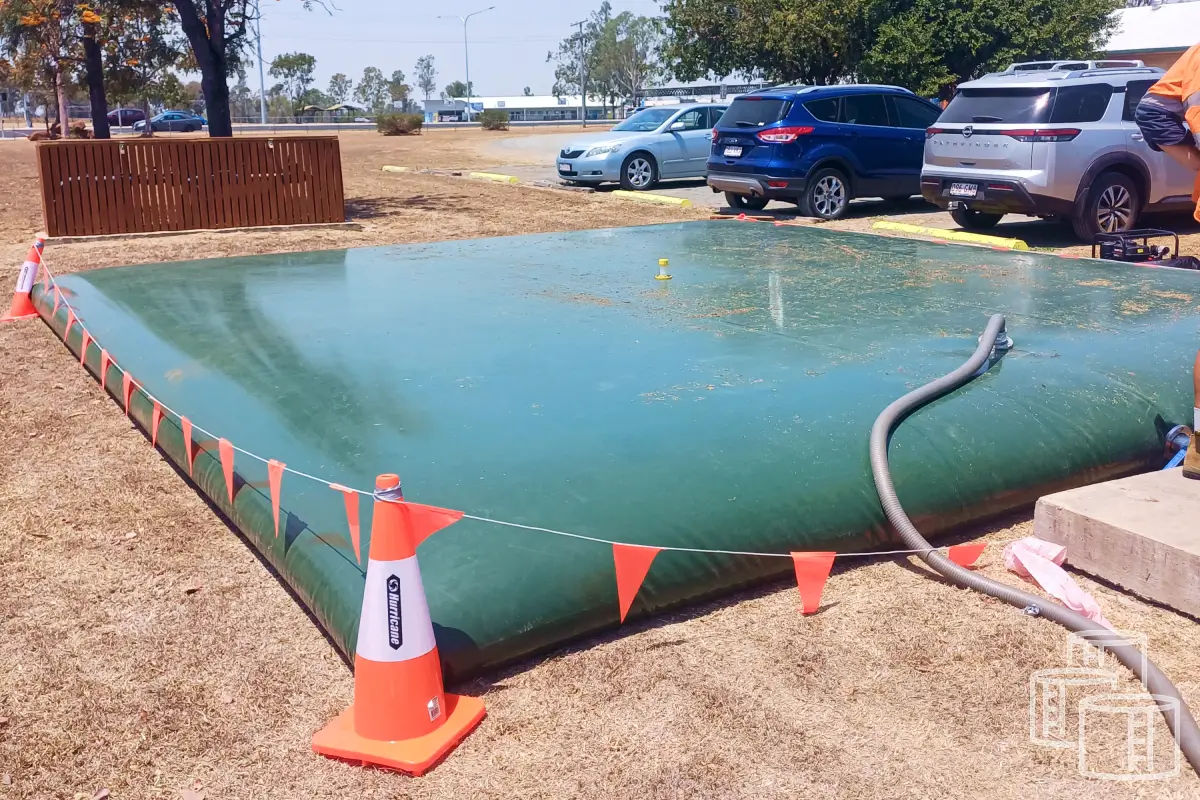
A tank bladder is a flexible storage container designed to safely store water and other compatible liquids. Unlike traditional steel or concrete tanks, it expands as it fills and contracts as water is used.
The storage system consists of a durable flexible membrane manufactured from reinforced materials such as PVC or polyurethane fabrics. High-strength seams and fittings create a secure, leak-resistant enclosure.
Most tank bladders are designed to rest on a prepared flat surface. As water enters the bladder, the membrane gradually expands until it reaches its designed storage capacity.
Because the water remains inside a sealed enclosure, it is protected from dust, debris, sunlight, and many external contaminants. This makes tank bladders suitable for applications where water quality and reliable storage are important.
Tank bladders are available in many sizes, ranging from compact portable units to large commercial storage systems. Manufacturers can also produce custom dimensions to suit unique site layouts and operational requirements.
Today, businesses choose tank bladders because they combine flexibility, durability, and efficient storage without the permanent infrastructure required for conventional tanks.
How Does a Tank Bladder Work?
A water bladder tank stores water inside a sealed flexible membrane that expands and contracts as the water level changes. This simple design eliminates the need for rigid walls while providing reliable storage.
Water enters the bladder through an inlet connection using a pump, pipeline, or other supply system. As the bladder fills, the flexible material expands evenly across the prepared base.
Unlike open storage systems, a tank bladder remains completely enclosed during operation. This helps reduce evaporation, limits contamination, and protects stored water from sunlight and airborne debris.
When water is required, it leaves the bladder through an outlet fitting connected to the distribution system. As the volume decreases, the membrane contracts while maintaining the integrity of the storage system.
Most tank bladders require only a level, stable surface free from sharp objects. Depending on the application, a protective underlay may also be installed to reduce wear and extend service life.
A Typical Tank Bladder System Includes:
- A reinforced flexible bladder
- Inlet and outlet connections
- Filling and discharge valves
- Venting system where required
- Protective groundsheet or underlay
- Optional overflow and monitoring accessories
The simplicity of this design makes bladder tanks easy to transport, install, and relocate when project requirements change. Many industries choose flexible storage because it provides reliable performance with minimal infrastructure.
Whether used for fire protection, agriculture, mining, or industrial operations, the operating principle remains the same. A durable flexible membrane safely stores water until it is needed.
What are Tank Bladders Made From?
The performance and lifespan of a tank bladder largely depend on the materials used during manufacturing. Modern tank bladders are produced from reinforced flexible fabrics that combine strength, flexibility, and resistance to demanding environmental conditions.
One of the most common materials is reinforced PVC. It offers excellent durability, strong welded seams, and reliable resistance to UV exposure, moisture, and abrasion. Other materials, including polyurethane (TPU) and synthetic rubber, may be selected for specialised applications.
The choice of material depends on several factors, including the type of liquid being stored, operating conditions, expected service life, and environmental exposure. Commercial and industrial projects often require materials that can withstand frequent use and harsh Australian conditions.
Most quality water bladder tank include multiple reinforced layers that improve structural strength without reducing flexibility. Heavy-duty fittings and professionally welded seams also help minimise the risk of leaks and ensure dependable long-term performance.
Common Materials Used in Bladder Tanks Include:
- Reinforced PVC fabrics
- Polyurethane (TPU)
- Synthetic rubber compounds
- High-strength woven fabric reinforcement
- Heavy-duty welded fittings
To learn more about reinforced PVC materials and their applications, read our guide to PVC Tank Liners.
Benefits of Tank Bladders
Tank bladders offer several advantages over traditional water storage systems. Their flexible design makes them suitable for projects where space, mobility, and efficiency are important considerations.
Unlike rigid tanks, tank bladders require minimal infrastructure and can often be installed much faster. They are also easier to transport, making them ideal for remote locations and temporary sites.
The enclosed design protects stored water from external contaminants while reducing evaporation. This helps maintain water quality and supports reliable long-term storage.
Key Benefits of Tank Bladders Include:
- Flexible and space-efficient design
- Quick installation and deployment
- Easy transport and relocation
- Reliable long-term water storage
- Reduced evaporation and contamination
- Low maintenance requirements
- Available in standard and custom sizes
- Suitable for diverse industries
Many businesses also choose bladder tanks because they can be customised to suit specific storage capacities and site conditions. This flexibility allows a single solution to support everything from small commercial projects to large industrial operations.
When correctly selected and maintained, a quality tank bladder provides dependable performance for many years. It also offers a cost-effective alternative where permanent storage infrastructure is unnecessary or impractical.
Common Applications of Tank Bladders
Tank bladders are used across many industries because they provide reliable and flexible water storage. Their versatility allows them to support both temporary and permanent operations in challenging environments.
Whether the requirement is fire protection, irrigation, or emergency response, tank bladders can be adapted to suit different capacities and site conditions. Their portable design also makes them a practical choice for remote locations.
Fire Protection
Tank bladders provide dedicated water storage for fire protection systems in commercial, industrial, and rural environments. A reliable water supply helps businesses prepare for emergencies and meet operational requirements.
Agriculture
Farmers use water storage bladder to store water for irrigation, livestock, and seasonal operations. Flexible storage helps improve water availability during dry periods and changing weather conditions.
Mining
Mining sites often require dependable water storage in remote locations. Water bladder tank are easy to transport and install, making them suitable for temporary and long-term mining projects.
Construction
Construction projects rely on water for dust suppression, equipment cleaning, and temporary site operations. Bladder tanks provide a portable storage solution that can be relocated as the project progresses.
Industrial Water Storage
Industrial facilities use tank bladders to store process water, emergency reserves, and operational supplies. Custom sizes allow businesses to maximise available space while maintaining reliable storage capacity.
Emergency Water Storage
Tank bladders can be deployed quickly during natural disasters, infrastructure maintenance, or unexpected water shortages. Their compact transport size allows rapid installation where immediate water storage is required.
Flexible water storage solutions continue to support a growing range of industries because they combine durability, portability, and efficient performance. Choosing the right water storage bladder depends on your application, storage requirements, and operating environment.
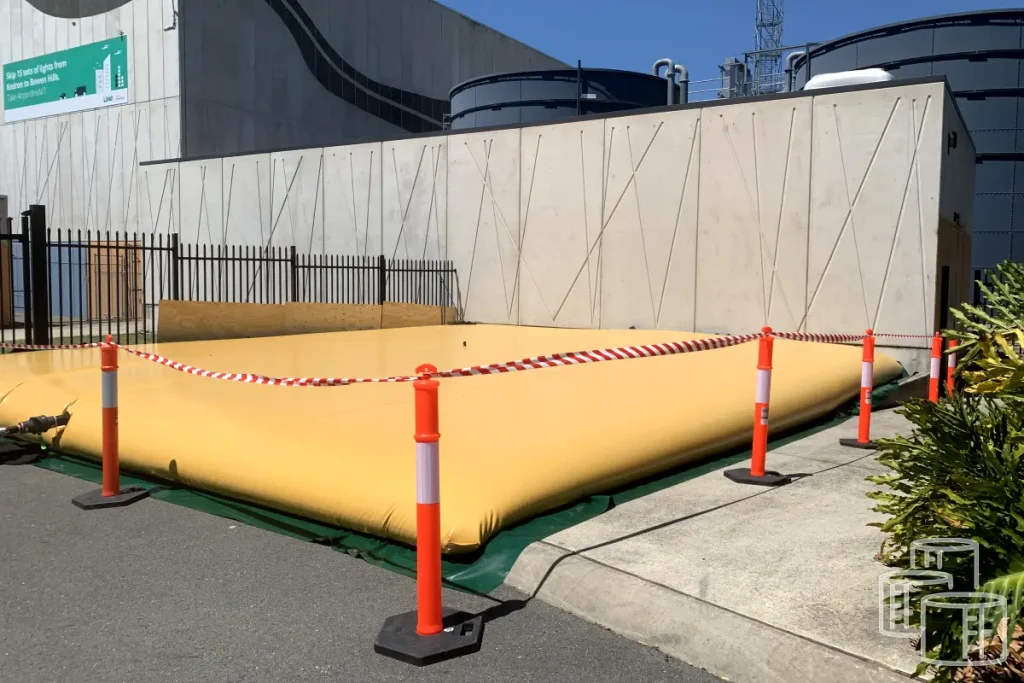
Tank Bladders vs Traditional Water Tanks
Both tank bladders and traditional water tanks provide reliable water storage, but they are designed for different operational requirements. The right choice depends on your available space, budget, installation timeline, and long-term objectives.
Traditional tanks are often selected for permanent installations with fixed infrastructure. Tank bladders provide greater flexibility where portability, rapid deployment, or temporary storage is required.
| Tank Bladders | Traditional Water Tanks |
|---|---|
| Flexible storage system | Rigid storage structure |
| Compact during transport | Large transport footprint |
| Fast installation | Longer installation time |
| Easy to relocate | Designed for permanent locations |
| Custom sizes available | Standard tank dimensions |
| Minimal site preparation | May require foundations |
| Suitable for temporary or permanent use | Best for permanent installations |
Bladder tanks are often preferred for projects where flexibility and mobility are important. Traditional tanks remain an excellent choice for fixed, long-term infrastructure with dedicated installation areas.
Neither solution is universally better than the other. The best option depends on your storage capacity, site conditions, operational requirements, and future expansion plans.
Available Tank Bladder Sizes and Capacities
Water bladder tank are available in a wide range of sizes to suit different storage requirements. Small portable units and large commercial systems are designed using the same flexible storage principles.
The required capacity depends on the intended application, daily water demand, available installation space, and future operational needs. Choosing the correct size helps maximise efficiency while avoiding unnecessary costs.
Many manufacturers offer both standard and custom tank bladders. Standard models suit common applications, while custom solutions are designed for sites with unique dimensions or specialised storage requirements.
Common Capacity Options Include:
- Small portable tank bladders
- Medium commercial storage systems
- Large industrial water storage
- High-capacity fire water storage
- Custom-designed storage solutions
When selecting a tank bladder, consider more than the total storage volume. Site access, available footprint, filling methods, and discharge requirements all influence the most suitable solution.
Larger capacities do not always provide the best value. A properly sized tank bladder delivers efficient water storage while reducing installation costs and making better use of available space.
How Much Does a Tank Bladder Cost?
The cost of a tank bladder varies depending on its size, material, and intended application. There is no single price because every project has different storage requirements and operating conditions.
Standard water storage bladder are generally more affordable than custom-manufactured solutions. However, a custom design may provide better long-term value by matching your available space and operational needs.
Several factors influence the final cost of a tank bladder.
The Main Pricing Factors Include:
- Storage capacity
- Material type
- Standard or custom design
- Inlet and outlet fittings
- Installation requirements
- Delivery location
- Optional accessories
Larger bladder tanks require more material and additional reinforcement, which increases manufacturing costs. Projects in remote locations may also have higher transport expenses.
Although the initial purchase price is important, businesses should also consider the total cost of ownership. A durable water storage bladder can reduce maintenance, improve operational efficiency, and provide reliable service for many years.
Before selecting a solution, compare more than the purchase price. Material quality, manufacturing standards, expected service life, and warranty coverage all contribute to the overall value of the investment.
How to Choose the Right Tank Bladder
Choosing the right water bladder tank starts with understanding your water storage requirements. The best solution depends on how and where the bladder will be used.
Storage capacity is one of the first factors to consider. Your system should hold enough water to meet daily demand while allowing for future operational needs.
The installation location also plays an important role. A level surface, available space, and site access all influence the most suitable bladder size and configuration.
The type of liquid being stored affects the material selection. Different applications may require reinforced PVC, polyurethane, or other specialised materials.
Before Selecting a Tank Bladder, Consider:
- Required storage capacity
- Type of liquid
- Installation location
- Available footprint
- Climate and weather conditions
- Expected frequency of use
- Maintenance requirements
- Future expansion plans
Selecting a quality tank bladder from a trusted manufacturer helps ensure reliable performance and long-term value. Taking time to evaluate your project requirements can also reduce maintenance costs and improve operational efficiency.
Tank Bladder Installation and Maintenance
Proper installation and routine maintenance help maximise the performance and lifespan of a tank bladder. Following the manufacturer’s recommendations also reduces the risk of damage and unexpected repairs.
Before installation, the ground should be level, stable, and free from sharp objects. Many projects also use a protective underlay to reduce abrasion and extend the service life of the bladder.
Routine inspections help identify signs of wear before they become major issues. Regular cleaning of fittings and checking connections also support reliable long-term operation.
Good Maintenance Practices Include:
- Install on a prepared surface
- Inspect the bladder regularly
- Check fittings for leaks
- Remove debris from the area
- Follow manufacturer guidelines
- Repair damage promptly
With proper care, a quality tank bladder can provide dependable water storage for many years while requiring relatively little maintenance.
Common Bladder Tank Problems
Tank bladders are designed for durability, but incorrect installation or poor maintenance can reduce their performance. Understanding common issues helps prevent unnecessary downtime and costly repairs.
Most problems can be avoided by selecting the correct bladder, preparing the installation site properly, and carrying out routine inspections.
Common Issues Include:
- Damage from sharp objects
- Incorrect installation
- Overfilling the bladder
- Worn or damaged fittings
- UV exposure beyond design limits
- Lack of routine maintenance
If damage occurs, many tank bladders can be repaired using approved repair methods or replacement components. Early inspection usually prevents minor issues from becoming major failures.
Choosing quality materials and following recommended maintenance procedures helps maximise reliability and extend the operating life of the storage system.
Conclusion
Water bladder tank provide a practical, flexible, and reliable solution for modern water storage. Their portable design, durable construction, and wide range of applications make them suitable for commercial, industrial, agricultural, and emergency projects.
Whether you require temporary or long-term water storage, selecting the right tank bladder depends on your capacity, operating conditions, and project requirements. Understanding how tank bladders work, the materials they use, and the factors that influence performance helps you make a more informed decision.
If you’re ready to explore commercial tank bladder solutions, visit our water bladder tanks page to learn more about available options and custom water storage systems.