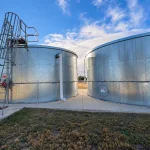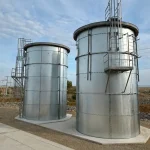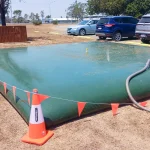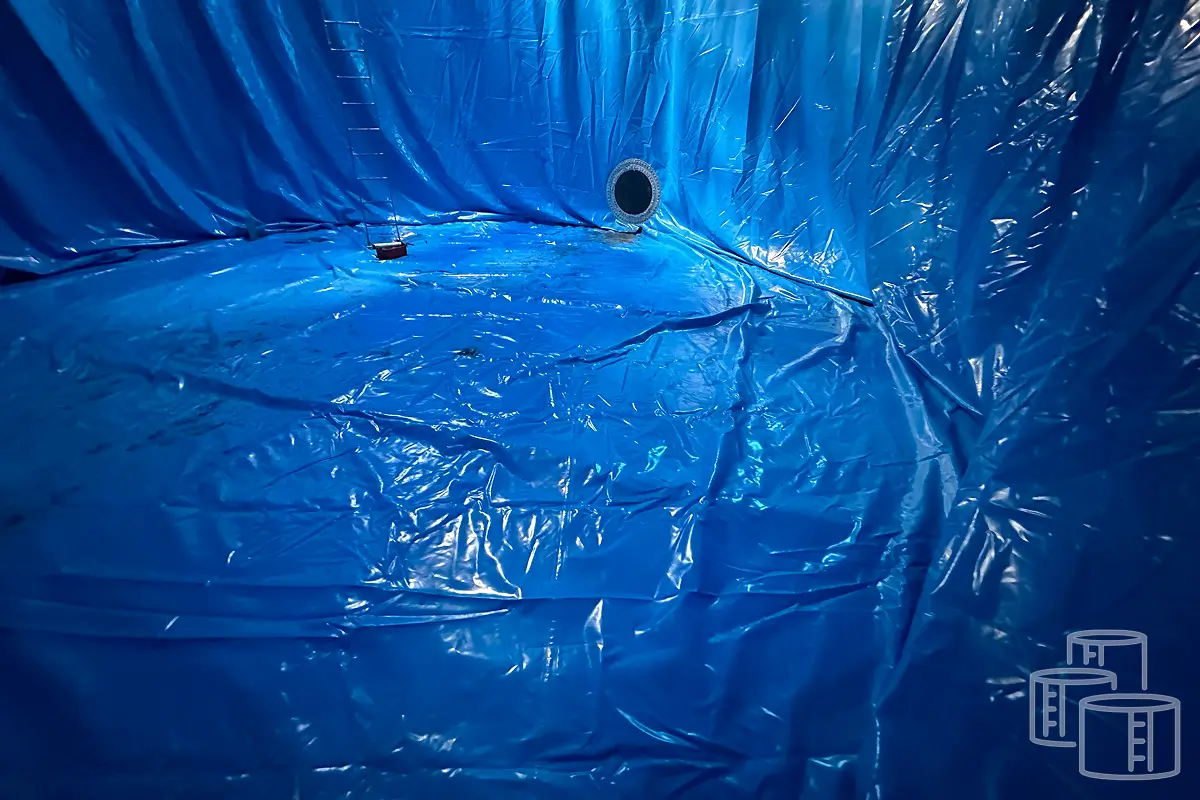
Water tanks are designed to provide reliable storage for many years. However, the tank structure is only one part of the system. The internal surface also affects how effectively the tank retains and protects stored water.
Ageing, corrosion, cracking, movement, and surface deterioration can eventually affect tank performance. In some situations, replacing the entire tank may not be necessary.
A tank liner creates a separate waterproof barrier inside the existing structure. It can help restore water retention without relying entirely on the original tank surface.
However, not every tank requires a liner. The right solution depends on the tank material, condition, stored water, and intended application.
This guide explains when tank liners are used, which tanks can benefit from them, and what should be considered before installation.
What is a Tank Liner?
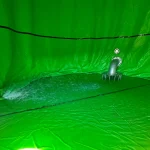
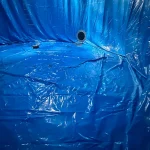
A tank liner is a flexible barrier installed inside a tank. Its primary purpose is to contain the stored liquid independently from the original tank surface. The liner is manufactured to suit the tank’s dimensions and intended application.
Depending on the system, it may cover the tank floor and walls to create a continuous containment barrier. This approach can be useful when the original structure remains serviceable but its internal surface requires additional protection.
Tank liners can be used across many applications, including:
- water storage tanks;
- fire water tanks;
- concrete tanks;
- steel tanks;
- rural water tanks;
- commercial tanks;
- industrial storage tanks;
- potable water systems;
- secondary containment applications.
The liner material must always be suitable for the liquid being stored. Tank construction, operating conditions, fittings, and access also influence liner selection.
Why are Tank Liners Used?
There are several reasons why a tank may require an internal liner. One of the most common is water retention. Older tanks can develop deterioration that affects their ability to remain watertight. The exact problem depends heavily on the tank construction.
Steel tanks may experience corrosion. Concrete tanks can develop cracks or surface deterioration. Other tanks may have ageing seals, joints, coatings, or internal surfaces.
A liner provides a separate containment layer between the stored water and the original structure. However, liners are not only used after a leak develops.
They may also form part of a planned tank refurbishment or protection strategy.
Common reasons for using liners include:
- restoring water containment;
- isolating water from deteriorated surfaces;
- protecting the tank substrate;
- extending the useful life of an existing tank;
- providing a suitable contact surface for stored water;
- supporting refurbishment of ageing tanks;
- creating secondary containment.
The reason for installing a liner should be established before selecting its material or design. For tanks affected by leakage or internal deterioration, professional tank liners can provide a reliable containment solution without replacing the entire tank.
Does Every Water Tank Need a Liner?
No. A tank in good condition may continue operating without an additional lining system. The decision should be based on the existing tank and its intended use.
A liner may become relevant when the original containment surface can no longer perform as required. For example, an older tank may remain structurally serviceable while developing water retention problems.
In that situation, relining may be considered alongside other repair or refurbishment options.
The decision can depend on:
- tank age;
- construction material;
- structural condition;
- internal surface condition;
- leakage history;
- corrosion;
- cracking;
- stored water type;
- previous repairs;
- required service life.
A liner should not simply conceal an unknown structural problem. The underlying tank condition needs to be understood before a lining solution is selected.
Signs a Water Tank May Need a Liner
Water loss is an obvious warning sign, but it is not the only one. Several conditions can indicate that the tank’s internal containment system requires closer assessment.
Persistent Leakage
Recurring leakage can indicate deterioration within the tank or around its connections. The source should be identified before deciding on a repair.
A liner may provide a solution where the existing structure remains suitable for continued service. However, structural defects may require separate remediation.
Internal Corrosion
Corrosion can affect steel tank surfaces over time. Early corrosion may remain localised. More extensive corrosion can affect a larger section of the internal surface.
Installing a suitable liner can separate stored water from the tank substrate. The condition of the steel should still be assessed before installation.
Concrete Cracking
Concrete naturally behaves differently from steel. Cracking can develop because of movement, ageing, loading, shrinkage, or other conditions. Not every concrete crack requires a liner.
However, cracking associated with water loss may make a lining system worth considering. The cause and condition of the crack should first be understood.
Deteriorating Internal Coatings
Some tanks rely on protective internal coatings. These coatings can deteriorate with age or exposure. Visible peeling, blistering, separation, or widespread coating failure can indicate reduced protection.
A liner may provide an alternative barrier where appropriate.
Repeated Repairs
One isolated repair does not necessarily indicate a wider problem. Repeated repairs are different. If leakage continually returns, the underlying containment system may require broader assessment.
Installing a new liner can sometimes provide a more comprehensive solution than repeated local repairs.
Do Concrete Water Tanks Need Liners?
Concrete tanks are durable, but concrete is not immune to deterioration. Cracking, movement, moisture penetration, and surface degradation can develop during service. This makes concrete tank liners relevant in several situations.
A liner creates a physical barrier between the stored water and concrete surface. This can be useful where water retention has become difficult to maintain through the original surface alone. However, installing a liner should not replace necessary structural repairs.
Significant cracks, damaged concrete, or other structural concerns should be assessed first. The tank should provide a suitable foundation for the liner system.
Are Concrete Tank Liners a Good Option?
They can be, when the application is suitable. A liner can allow an existing concrete tank to remain in service without rebuilding its entire containment surface. It can also isolate stored water from repaired or deteriorated areas.
The suitability depends on several factors:
- structural condition;
- crack condition;
- tank geometry;
- internal surfaces;
- penetrations and fittings;
- water type;
- liner material;
- installation requirements.
The key question is therefore not simply whether concrete tank liners are good. It is whether a particular liner system is appropriate for that particular tank.
Does a Colorbond or Steel Water Tank Need a Liner?
Steel tanks can also benefit from lining systems. Their requirements differ from those of concrete tanks. Steel surfaces can corrode when protective coatings or finishes deteriorate.
Water, condensation, damaged coatings, and environmental exposure can contribute to the process. A liner can separate stored water from the steel substrate. This may help an existing tank continue performing its storage function after appropriate preparation.
For Colorbond or other steel tanks, the decision should consider:
- corrosion extent;
- wall and floor condition;
- seams and joints;
- existing coatings;
- fittings;
- sharp or damaged surfaces;
- tank geometry.
Serious structural deterioration should be addressed separately. A liner is a containment system, not a replacement for structural integrity.
What are PVC Tank Liners?
PVC is one material used for flexible tank lining systems. PVC tank liners can be manufactured to fit different tank dimensions and configurations.
Their flexibility makes them suitable for many water storage applications. However, the material must match the intended use. Important considerations include the stored liquid, operating temperature, expected exposure, and applicable requirements.
Not every liner material is interchangeable. A material suitable for one industrial application may not be suitable for potable water storage. Likewise, chemical exposure can require different material properties from ordinary water storage.
Liner selection should therefore start with the application rather than the material name.
Tank Liners for Potable Water
Potable water storage requires additional consideration because the water is intended for human consumption. The liner must be suitable for contact with potable water. Material suitability is therefore fundamental.
A potable water tank liner should be selected according to relevant requirements for the intended application. Installation quality is also important. Fittings, seams, penetrations, and other details must maintain the integrity of the containment system.
The underlying tank condition still matters. Installing a potable liner inside a severely deteriorated structure does not resolve structural concerns.
Both the tank and lining system need to perform their respective functions.
Fire Water Tank Liners
Fire water tanks have a critical storage function. They must retain the required water supply for the fire protection system. Leakage or internal deterioration can therefore require timely investigation.
A fire water tank liner may be used as part of a repair or refurbishment strategy. The lining system provides a barrier for stored fire water while the existing tank remains the supporting structure.
Several factors should be considered before installation:
- tank condition;
- required water capacity;
- internal corrosion or deterioration;
- fittings and penetrations;
- liner compatibility;
- access requirements;
- existing damage.
Fire tank requirements can also differ from ordinary water storage applications. The lining solution must therefore reflect the function of the tank and applicable requirements.
Commercial and Industrial Tank Liners
Commercial and industrial tanks can vary considerably in size, construction, contents, and operating conditions. A small commercial water tank has different requirements from a large industrial storage system.
For this reason, commercial tank liners should be selected for the specific application. The stored liquid is one of the first considerations. Water storage may require different liner properties from chemical or process applications.
Tank geometry is also important. Large tanks can contain columns, fittings, outlets, internal supports, or unusual floor configurations. These features can affect liner design and installation.
Industrial applications may also involve demanding operating environments. Temperature, chemical exposure, cleaning processes, and mechanical wear can influence material selection.

Custom Tank Liners for Existing Structures
Existing tanks do not always follow standard dimensions. Even tanks with similar capacities can have different heights, diameters, fittings, and internal configurations. This is where custom tank liners become useful.
A custom liner can be manufactured around the actual tank dimensions and connection points.
Design considerations may include:
- tank length and width;
- diameter;
- wall height;
- floor profile;
- outlets;
- inlets;
- overflows;
- access openings;
- internal columns;
- other penetrations.
Accurate dimensions are important. Poor fit can create wrinkles, tension, or difficulties around fittings. The tank should therefore be assessed and measured before the liner is manufactured.
Rural Tank Liners
Rural water storage presents its own operating conditions. Tanks may store rainwater, bore water, or other supplies for domestic, agricultural, or operational use. Older rural tanks can develop leaks or internal deterioration while the main structure remains usable.
Rural tank liners can provide another option before complete tank replacement is considered. However, the intended water use matters. A tank supplying potable water requires a liner suitable for that purpose.
A tank used for other agricultural applications may have different requirements. Tank condition and access should also be assessed before installation.
What About Secondary Containment Liners?
Not every liner is installed inside a primary storage tank. Secondary containment liners serve a different purpose.
They create an additional barrier designed to contain liquid if the primary containment system leaks or fails. These systems may be used in industrial or commercial environments where uncontrolled liquid release creates operational or environmental concerns.
The required liner properties depend on the liquid being contained. Chemical compatibility can be particularly important. The design must also consider the containment area, substrate, joints, penetrations, and expected exposure.
This is a separate application from ordinary water tank relining. However, both rely on selecting a liner appropriate for its intended containment function.
What Should be Checked Before Installing a Tank Liner?
Installing a liner into an existing tank requires preparation. The liner should not simply be placed over unknown damage.
Several areas should be assessed first.
Structural Condition
The tank must remain suitable for continued service. A liner provides containment but does not replace the structural function of the tank.
Significant structural problems may require repair before lining work begins.
Internal Surface Condition
The internal surface should be examined for conditions that could affect the liner.
These may include:
- corrosion;
- rough surfaces;
- sharp edges;
- damaged bolts;
- concrete deterioration;
- debris;
- previous coating failure;
- old repair materials.
Surface preparation requirements depend on the tank and liner system.
Fittings and Penetrations
Inlets, outlets, drains, overflows, and other penetrations require careful attention. These areas must integrate correctly with the liner.
Poor detailing around fittings can create potential leakage points. Their condition should therefore be checked before installation.
Existing Liner Condition
Where a tank already contains a liner, its failure can provide useful information.
Inspecting the old liner may help identify:
- punctures;
- seam problems;
- wear;
- fitting-related damage;
- wrinkles;
- material deterioration;
- repeated failure locations.
Understanding why an existing liner failed can help prevent the same problem from recurring.
Can a Damaged Tank Liner be Repaired?
Not every damaged liner requires complete replacement. Some local defects may be repairable. The decision depends on the liner material, age, damage location, and overall condition.
A small isolated defect in an otherwise serviceable liner differs from widespread deterioration. Repeated seam problems or multiple damaged areas may indicate that replacement deserves consideration.
Before repairing a liner, it is useful to understand why the damage occurred. A puncture caused by a sharp underlying surface may return unless that surface is corrected.
Damage around a fitting may also indicate a problem with the connection rather than the liner alone. Repair decisions should therefore consider both the visible defect and its cause.
When is Tank Liner Replacement More Appropriate?
Replacement may become more practical when deterioration affects a significant part of the existing liner. Age can also influence the decision. An older liner with several repairs may continue developing new weak points.
Signs that broader replacement may need consideration include:
- multiple leaks;
- widespread material deterioration;
- recurring seam failure;
- extensive brittleness;
- repeated repairs;
- significant damage around several fittings;
- loss of liner flexibility;
- deterioration across large areas.
These conditions do not automatically require replacement. They indicate that the entire liner system should be considered rather than one isolated defect.
Repair, Reline or Replace the Tank?
When a water tank develops problems, there are often several possible responses. The correct option depends on what has actually failed. A local repair may be appropriate for limited damage.
Relining can be considered when the tank remains structurally suitable but requires a new containment barrier. Broader refurbishment may be needed when several tank components require attention.
Complete replacement may become appropriate when structural deterioration is extensive or continued repair is no longer practical.
A useful decision process considers:
- the structural condition of the tank;
- the source of leakage or deterioration;
- the condition of the existing liner or coating;
- required repairs;
- intended water use;
- expected future service;
- access and installation requirements.
The cheapest immediate repair is not always the most effective long-term option. Likewise, complete tank replacement is not automatically necessary because the original containment surface has deteriorated.
Choosing the Right Tank Liner
There is no single liner suitable for every tank. Material selection should reflect the complete application.
Important considerations include:
- tank construction;
- stored liquid;
- potable or non-potable use;
- tank dimensions;
- operating temperature;
- chemical compatibility;
- internal configuration;
- environmental conditions;
- expected service requirements.
The condition of the tank is equally important. A well-selected liner still depends on suitable preparation and installation. This is why liner selection should be considered as part of the wider tank condition assessment.
Planning for Long-Term Tank Liner Performance
A new liner should not be treated as the end of tank maintenance. Its condition can change over time. Periodic checks can help identify developing problems around fittings, seams, or high-wear areas.
Tank records are useful here. Installation dates, liner specifications, repairs, inspections, and photographs create a useful condition history. This information becomes particularly valuable when a problem develops years later.
It can help determine whether damage is isolated or part of a recurring pattern. Maintenance around the tank also matters. Preventing sharp objects, uncontrolled movement, or damaged fittings can reduce unnecessary liner damage.
Key Takeaways
Tank liners can provide an effective containment barrier inside many existing water tanks. They can be used in concrete, steel, commercial, industrial, rural, potable, and fire water applications.
However, not every tank needs a liner. The decision should begin with the tank’s condition and intended use. Cracking, corrosion, leakage, coating failure, or repeated repairs can indicate that the containment system requires assessment.
The underlying structure must still remain suitable for service. Different applications also require different liner properties.
A potable water tank, fire water tank, and industrial containment system do not necessarily have identical requirements.Before installation, the tank structure, internal surfaces, fittings, penetrations, and previous repairs should be examined.
This helps determine whether repair, relining, refurbishment, or replacement is the most appropriate approach. A well-selected liner is therefore more than a waterproof layer. It forms part of a wider strategy for maintaining reliable tank containment over time.