Large-scale water storage systems must remain reliable, durable, and efficient. Many industries use industrial panel tanks because they provide flexible storage solutions for demanding environments.
Industrial panel tanks are widely used in manufacturing facilities, commercial buildings, agricultural operations, and municipal infrastructure projects. Their modular construction allows businesses to create storage systems that match specific operational requirements.
Today, many facilities choose industrial panel tanks because they combine scalability with long-term performance.
What are Industrial Panel Tanks?
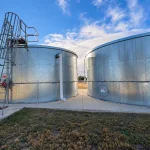
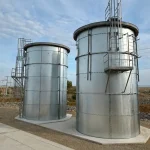
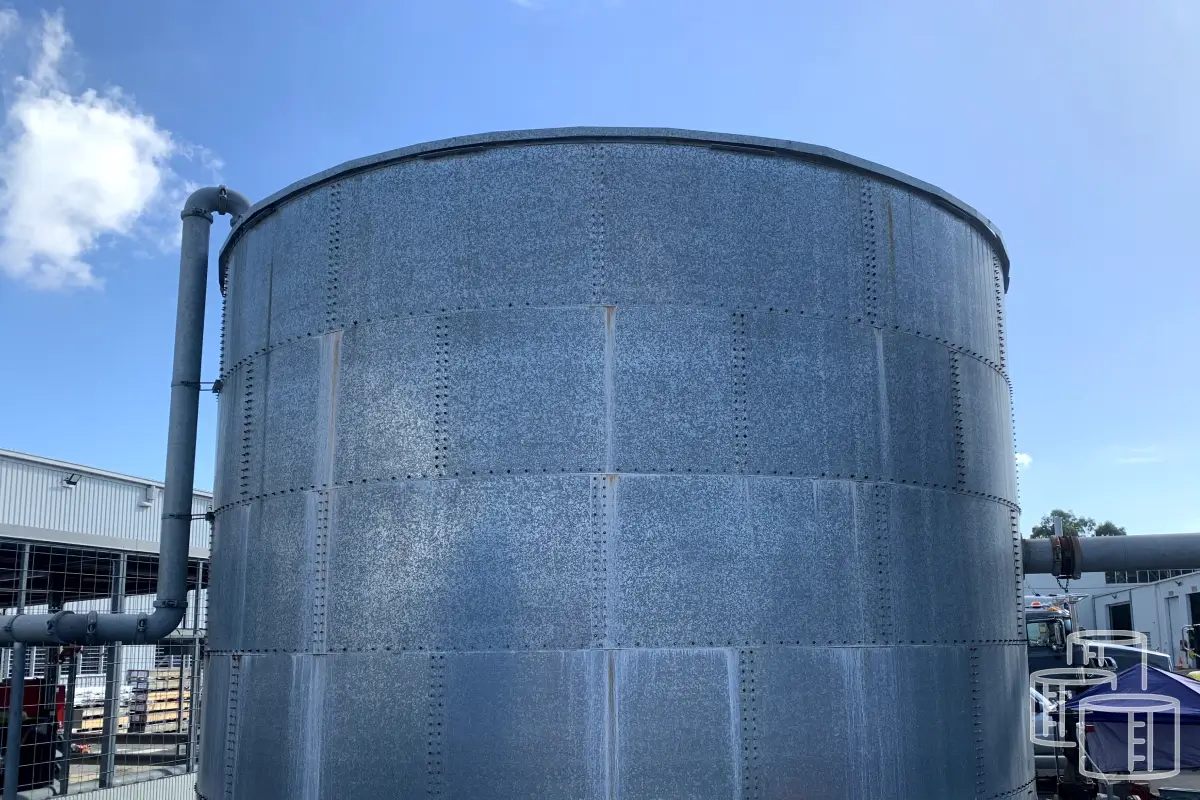
Panel tanks are modular water storage systems assembled from individual panels. These panels are connected on-site to create tanks with different shapes and capacities.
The modular design allows tanks to support both medium and large-scale water storage applications.
Industrial panel tanks are commonly manufactured using materials such as:
- GRP
- galvanised steel
- stainless steel
Different materials are selected based on storage requirements, environmental conditions, and water quality standards.
Why Large-Scale Water Storage Requires Flexible Solutions
Large-scale facilities often require significant water reserves for daily operations. Traditional storage systems may create installation challenges because of transport limitations or restricted site access.
Industrial panel water tanks solve many of these issues through sectional construction.
Their modular design provides several advantages:
- easier transportation
- flexible assembly
- scalable capacity
- simplified site access
- future expansion opportunities
These features make panel tanks suitable for both new construction projects and facility upgrades.
Scalable Storage Capacity
One of the biggest advantages of industrial panel tanks is scalability. Businesses can design tanks to meet specific operational demands without relying on fixed-size storage systems. This flexibility supports industries with changing water consumption needs.
Large-scale applications may include:
- manufacturing plants
- processing facilities
- commercial developments
- agricultural sites
- fire protection systems
As operational requirements grow, some panel tank systems can also be expanded with additional sections. This flexibility supports long-term infrastructure planning.
Efficient Use of Installation Space
Industrial facilities often operate with limited available space. Panel tanks can be configured to fit different installation environments more efficiently than some traditional storage systems.
Tanks can be installed in:
- plant rooms
- rooftops
- basements
- restricted access areas
- external service zones
Their sectional design also supports installations in locations where large preassembled tanks cannot enter. Space-efficient layouts are particularly valuable in commercial and industrial developments with complex infrastructure systems.
You can also learn more about modular layouts in how industrial panel tanks improve water storage efficiency.
Reliable Long-Term Performance
Large-scale water storage systems must remain dependable under continuous operation. Panel tanks are designed for long-term use in demanding environments. Many systems provide reliable performance for decades when properly maintained.
Durability depends on several factors:
- material selection
- environmental conditions
- installation quality
- inspection frequency
- maintenance practices
Corrosion-resistant materials such as GRP and stainless steel can help reduce structural deterioration over time. This makes industrial panel tanks suitable for both indoor and outdoor applications.
Support for Commercial and Industrial Operations
Many industries depend on stable water storage for operational continuity.
Industrial panel water tanks support several important applications, including:
- potable water storage
- process water storage
- fire protection reserves
- cooling systems
- irrigation systems
Reliable water access helps facilities maintain productivity and reduce operational risks. Many businesses also choose panel tanks because they support both temporary and permanent infrastructure solutions.
Easier Transportation and Installation
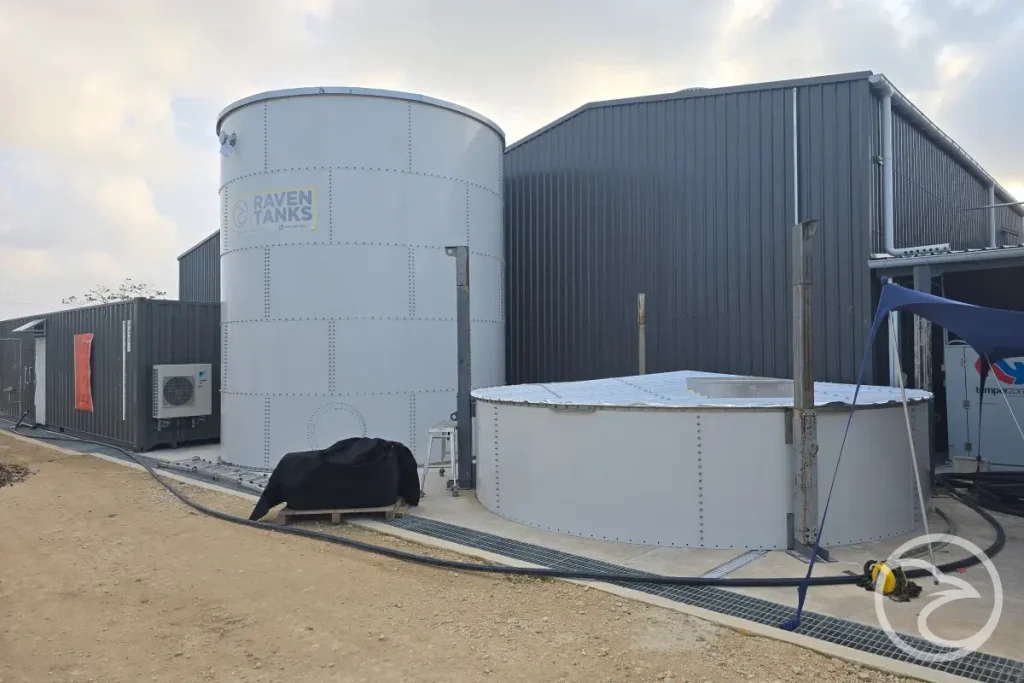
Transporting large storage tanks can create logistical challenges. Oversized systems may require specialised transport equipment or site modifications. Industrial tanks simplify transportation because individual panels are delivered separately.
This approach offers several advantages:
- reduced transport limitations
- easier handling
- improved site access
- flexible assembly scheduling
Installation teams can assemble tanks directly on-site using the required configuration.
You can read more about the assembly process in how industrial panel tanks are installed and assembled.
Suitable for Future Infrastructure Expansion
Many industrial facilities expand over time. Water storage systems must often adapt to increased operational demands. Modular panel tanks provide greater flexibility for future infrastructure planning.
Some systems can be modified or expanded without replacing the entire storage structure. This may reduce long-term upgrade costs and improve operational efficiency.
Expandable systems are particularly useful for growing industrial operations or staged development projects.
Why Industrial Panel Tanks Remain a Practical Storage Solution
Large-scale water storage requires systems that are flexible, durable, and efficient. Industrial panel tanks continue supporting commercial and industrial operations because they offer scalable storage capacity and adaptable installation options.
Their modular construction simplifies transportation, improves installation flexibility, and supports future expansion requirements. Many industries also value their long-term durability and ability to perform in demanding environments.
As industrial infrastructure continues evolving, industrial panel tanks remain an important solution for reliable large-scale water storage.