PVC tank liners are commonly used in water storage systems. They provide a flexible and protective layer inside tanks. However, when it comes to drinking water, safety becomes a key concern.
PVC tank liners are widely used in water storage systems because they create a protective barrier between the tank structure and stored water.
Many people ask whether PVC tank liners are suitable for storing potable water.
What Are PVC Tank Liners
PVC tank liners are made from polyvinyl chloride, a widely used plastic material. They are designed to create a barrier between stored water and the tank structure.
This barrier helps prevent leakage and protects the tank from moisture. It also reduces direct contact between water and materials like concrete or steel.
Because of these properties, PVC tank liners are used in various storage applications.
What Makes a Material Safe for Drinking Water
Not all materials are suitable for storing drinking water. Safety depends on how the material interacts with water over time. A safe liner should not release harmful substances. It should also resist bacterial growth and maintain stable properties.
In addition, the material must comply with relevant standards and regulations. These standards ensure that the liner is suitable for potable water use.
Are PVC Tank Liners Safe for Drinking Water
PVC tank liners can be safe for drinking water when they are manufactured for potable use. Not all PVC materials are the same. Food-grade or potable-grade PVC is specifically designed for contact with drinking water. It is produced using controlled additives and processes.
These liners are tested to ensure they do not release harmful chemicals into the water. When properly selected, PVC tank liners can support safe water storage.
The Role of Certifications and Standards
Certifications play an important role in determining safety. Many countries have standards for materials used in drinking water systems.
Examples include NSF, WRAS, and other regulatory approvals. These certifications indicate that the material has been tested for safety.
PVC tank liners that meet these standards are generally considered suitable for potable water. Checking certification is an important step when evaluating materials.
Potential Risks to be Aware of
Although PVC tank liners can be safe, certain risks should be considered. These usually arise when low-quality materials are used. For example, some PVC products may contain plasticizers or additives that are not suitable for drinking water. Over time, these substances may leach into the water.
Improper installation can also create issues. If the liner is damaged or poorly fitted, it may allow contamination.
Temperature and environmental conditions can also affect performance. Extreme heat may influence material stability.
How PVC Tank Liners Help Maintain Water Quality
When properly designed, PVC tank liners help protect water quality. They create a sealed surface inside the tank. This reduces the risk of contamination from external sources. It also limits contact with concrete, which can affect water composition.
In addition, smooth liner surfaces help reduce the buildup of bacteria and debris. This supports cleaner storage conditions.
By acting as a barrier, PVC tank liners contribute to more stable water quality over time.
Maintenance and Monitoring
Even safe materials require proper maintenance. Regular inspection helps ensure that the liner remains in good condition. Cleaning is also important for maintaining hygiene. Removing buildup and debris supports better water quality.
Monitoring the condition of the liner helps detect early signs of wear. This allows for timely action if needed.
Proper maintenance ensures that PVC tank liners continue to perform effectively.
When PVC May not be Suitable
In some cases, PVC tank liners may not be the best choice. This depends on the type of liquid stored and environmental conditions.
Highly aggressive chemicals or extreme temperatures may require alternative materials. Each application should be evaluated based on its requirements.
Understanding these limitations helps ensure that the right material is selected for the intended use.
How to Identify Suitable PVC Tank Liners
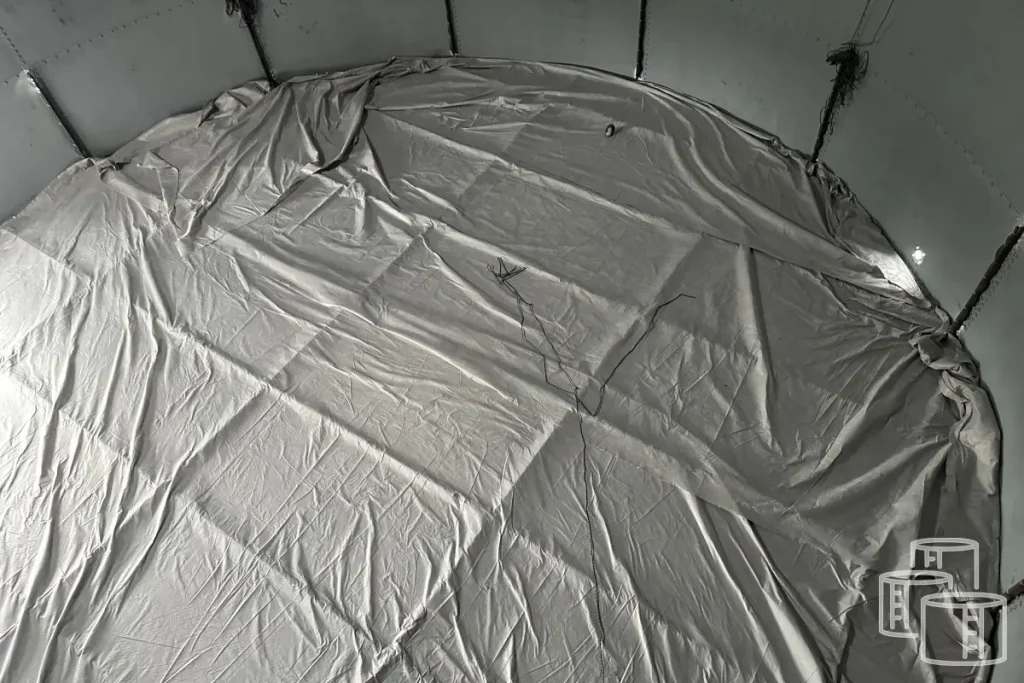
Selecting the right liner involves checking several factors. These include material grade, certifications, and manufacturer specifications.
It is also important to consider how the liner will be used. Drinking water applications require higher standards compared to other uses.
Reviewing technical information helps ensure compatibility with potable water systems.
Conclusion
PVC tank liners can be safe for drinking water when they meet appropriate standards and are used correctly. Not all PVC materials are suitable, so proper selection is essential.
Certified potable-grade liners provide a protective barrier that helps maintain water quality. They reduce contamination risks and support stable storage conditions.
By understanding how PVC liners interact with water, it becomes easier to assess their suitability for drinking water systems.