Water loss in ponds is a common issue faced by farmers, property owners, and industrial facilities. While some level of water reduction is natural, excessive or rapid loss often indicates underlying problems that need attention.
Understanding the main water loss in ponds causes and prevention strategies is essential for maintaining reliable water storage and avoiding long-term inefficiencies.
Natural vs Problematic Water Loss
Before identifying issues, it’s important to distinguish between normal and abnormal water loss.
Natural causes include:
- Evaporation due to heat and wind
- Minor seepage into surrounding soil
- Seasonal fluctuations in water levels
However, when water levels drop significantly over a short period, it usually points to structural or environmental problems.
1. Evaporation and Climate Conditions
Evaporation is one of the most common reasons ponds lose water, especially in hot and dry climates.
Factors that increase evaporation:
- High temperatures
- Strong winds
- Low humidity
- Large surface area exposure
Shallow ponds are particularly vulnerable because more water is exposed to the air.
How to reduce evaporation:
- Install windbreaks such as trees or fencing
- Increase pond depth where possible
- Use floating covers in smaller systems
While evaporation cannot be eliminated, it can be managed with the right approach.
2. Seepage Through Soil
Seepage occurs when water gradually escapes through the base or sides of a pond into the surrounding ground. This is especially common in sandy or porous soils.
Signs of seepage:
- Consistent water loss without visible leaks
- Damp or wet areas around the pond perimeter
- Difficulty maintaining stable water levels
Prevention methods:
- Compacting soil during construction
- Using clay liners
- Installing synthetic liners
In many cases, properly installed lining systems significantly reduce seepage and improve water retention.
3. Structural Damage and Cracks
Over time, ponds can develop cracks or weak points that allow water to escape more quickly than normal.
Common causes:
- Ground movement or settling
- Poor construction practices
- Aging materials
Cracks may not always be visible, especially if they occur below the waterline. However, sudden drops in water level can indicate a structural issue.
What to do:
- Conduct regular inspections
- Repair minor cracks early
- Reinforce vulnerable areas
If damage becomes extensive, more advanced solutions may be required to restore the pond’s integrity.
4. Animal Activity
Animals can also contribute to water loss by damaging pond structures.
Typical culprits include:
- Burrowing animals such as rodents
- Livestock walking along the edges
- Wildlife disturbing the soil
These activities can create channels or weak points that allow water to escape.
Prevention strategies:
- Install protective barriers
- Limit livestock access
- Regularly inspect pond edges for burrows
Controlling animal activity helps preserve the structure and reduce unexpected leaks.
5. Poor Initial Design
In some cases, water loss problems originate from the design phase. A poorly designed pond may struggle to retain water effectively from the start.
Design-related issues:
- Inadequate depth
- Improper slope angles
- Lack of proper lining
- Weak foundation preparation
How to avoid this:
- Plan based on soil type and environment
- Use appropriate materials
- Ensure professional installation
Good design is the foundation of long-term water retention.
6. Vegetation and Root Damage
While plants can improve the appearance of a pond, certain types of vegetation can cause structural issues.
Risks include:
- Roots penetrating the pond base
- Organic matter affecting soil stability
- Increased seepage paths
Best practices:
- Avoid planting large trees near the pond
- Control invasive vegetation
- Maintain a clear perimeter zone
Balancing vegetation is important for both aesthetics and functionality.
7. Lack of Proper Lining Systems
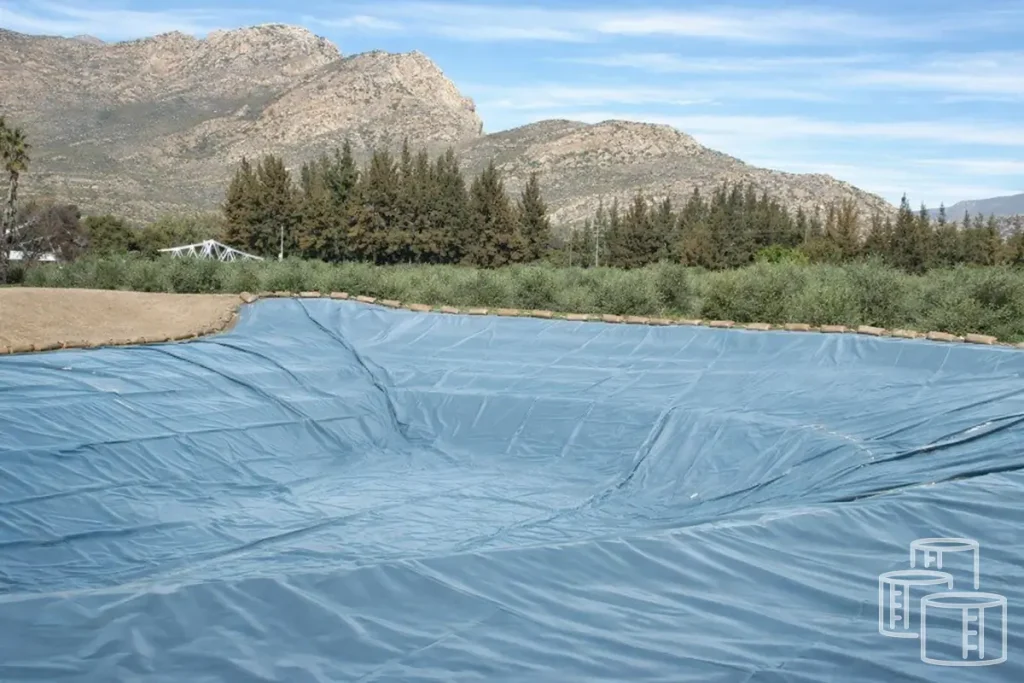
One of the most effective ways to prevent water loss is the use of high-quality lining systems. Without proper lining, ponds are much more susceptible to seepage and structural degradation.
Liners help by:
- Creating a barrier against water escape
- Protecting the underlying soil
- Improving long-term durability
For those experiencing persistent water retention issues, solutions like dam and pond liners for water storage can significantly enhance efficiency and reduce ongoing water loss.
How to Identify the Cause of Water Loss
Diagnosing the source of the problem is key to applying the right solution.
Steps to identify the issue:
- Monitor daily water level changes
- Inspect the pond perimeter and base
- Check for damp areas or visible damage
- Observe environmental conditions
A systematic approach helps determine whether the issue is natural, structural, or environmental.
Long-Term Prevention Strategies
Preventing water loss requires a combination of design, maintenance, and monitoring.
Key strategies include:
- Regular inspections and maintenance
- Proper soil preparation and compaction
- Use of high-quality lining systems
- Managing environmental and external factors
Taking a proactive approach reduces the risk of major problems and ensures reliable water storage over time.
Final Thoughts
Water loss in ponds can result from a wide range of factors, from natural evaporation to structural damage and poor design. Understanding these causes allows you to take effective steps toward prevention.
By addressing issues early and implementing the right solutions, you can maintain stable water levels, improve efficiency, and protect your investment.
Whether the problem is minor seepage or more significant structural concerns, the right combination of maintenance and technology will ensure your pond continues to perform as intended.