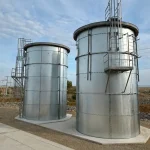
Galvanised water tanks are designed to provide durable and reliable water storage. The zinc coating protects the underlying steel and helps slow corrosion. However, this protection does not make a tank maintenance-free.
Water, sediment, weather, debris, and environmental exposure can gradually affect tank condition. Regular maintenance helps keep these factors under control. It can also reveal small changes before they develop into larger problems.
A good maintenance routine does not need to be complicated. It should focus on keeping the tank clean, dry externally, protected from damage, and regularly checked.
This guide explains practical maintenance for galvanised water tanks. It also covers cleaning, corrosion prevention, sediment management, and routine checks.
Well-designed galvanised steel tanks provide a durable water storage solution, while routine maintenance helps protect their condition over time.
Why do Galvanised Water Tanks Need Maintenance?
A galvanised steel water tank uses zinc to protect the steel underneath. The zinc coating creates a physical barrier between steel and its environment. It also provides sacrificial protection when small areas become exposed.
However, zinc is gradually consumed during its service life. Environmental conditions can accelerate this process. Moisture, salt, aggressive water chemistry, and physical damage may all affect the protective surface.
Maintenance also matters for reasons beyond corrosion.
Water storage systems can gradually collect:
- sediment;
- leaves;
- dust;
- organic material;
- insects;
- mineral deposits;
- corrosion products.
Fittings, screens, covers, and connections also need attention. Routine maintenance helps preserve both the tank and the wider water storage system.
How Often Should You Maintain a Galvanised Water Tank?
There is no single maintenance schedule suitable for every galvanised tank. The appropriate frequency depends on the tank, environment, water source, and intended use. A tank in a mild inland environment may require different attention from a coastal tank.
A galvanised rainwater tank may also require different maintenance from a tank supplied with treated water. Regular visual checks are a useful starting point.
Additional checks may be appropriate after:
- severe storms;
- flooding;
- unusually heavy rainfall;
- nearby construction;
- changes in water quality;
- accidental tank damage;
- prolonged dry periods;
- suspected contamination.
Coastal and industrial environments may justify more frequent exterior checks. The same applies when the tank experiences unusually aggressive operating conditions.
Professional water tank maintenance can help preserve tank condition, manage sediment, and identify early signs of deterioration.
Galvanised Water Tank Maintenance Checklist
A maintenance check should cover more than the visible tank wall. The roof, base, fittings, screens, surrounding ground, and stored water can all provide useful information. The following steps provide a practical starting point.
1. Inspect the Tank Exterior
Begin with a general visual inspection. Walk around accessible areas and look for changes in the galvanised surface.
Pay particular attention to:
- visible red rust;
- damaged zinc coating;
- scratches;
- dents;
- unusual staining;
- wet patches;
- loose components;
- damaged edges;
- corrosion around fittings.
Not every surface change indicates serious deterioration. Galvanised steel naturally changes appearance as the zinc reacts with the surrounding environment. The important question is whether the protective surface remains intact.
Red-brown rust deserves particular attention because it may indicate exposed steel. Compare questionable areas with previous observations where possible.
Changes that continue spreading are generally more significant than stable surface marks.
2. Check the Tank Base and Surrounding Area
The area around the tank should allow water to drain away. Persistent moisture around the base creates undesirable conditions for steel. Look for standing water after rain.
Check whether soil, leaves, grass, or other materials remain against the tank. Vegetation should not continuously trap moisture against external surfaces. Drainage paths should also remain clear. Pay attention to changes in the supporting area.
Movement, erosion, or persistent wet conditions may affect more than corrosion. Do not allow stored materials to block access around the tank. Clear access also makes future visual checks easier.
3. Check the Roof and Tank Cover
The roof protects stored water from external contamination. Leaves, branches, dirt, and other debris may accumulate over time. Remove accessible debris before it creates additional problems.
Check the roof for obvious damage or deterioration. Covers and access points should remain appropriately secured. Look for openings that could allow animals, insects, or debris to enter.
Roof drainage should also work as intended. After severe weather, check for new damage rather than waiting until the next routine maintenance period.
4. Inspect Inlets, Outlets and Screens
Water enters and leaves the tank through several components. These areas deserve individual attention. Check accessible inlets for accumulated debris.
Screens should remain clean and correctly positioned. Damaged screens may allow leaves, insects, or other contaminants into stored water. Overflow components should also remain clear.
Blocked overflows can create problems during heavy rainfall or high inflow. Inspect outlets for leaks and visible deterioration. Connections should not show persistent dampness or obvious corrosion.
Small changes around fittings are often easier to address when identified early.
5. Look for Leaks Around Fittings and Joints
Leaks are not always immediately obvious. A small leak may appear as staining or persistent moisture rather than visible dripping. Check accessible joints, fittings, valves, and pipe connections.
Look for:
- damp surfaces;
- water trails;
- staining;
- mineral deposits;
- corrosion around connections;
- damaged seals.
The surrounding ground can also provide clues. An unusually wet area near the tank may indicate water loss. Do not assume every wet patch comes from rainfall.
Recurring moisture in the same location deserves closer attention.
6. Monitor Sediment Build-Up
Sediment naturally accumulates in many water storage systems. Its composition depends on the water source. Rainwater tanks may collect dust, organic material, and particles washed from catchment surfaces.
Other water sources can introduce minerals and suspended solids. Some material eventually settles on the tank floor. Small amounts of sediment are not unusual.
Excessive accumulation, however, can make maintenance more difficult. Sediment may also conceal the condition of the tank floor. Monitor accumulation and remove it when necessary.
Not sure when your next maintenance check is needed? Find out how often should you maintain a water storage tank and what can affect the schedule.
How to Clean a Galvanised Water Tank
Cleaning is an important part of galvanised water tank maintenance. However, cleaning should remove unwanted material without unnecessarily damaging the zinc surface. The correct approach depends on tank size, design, stored water, and contamination level.
Large tanks may require specialised procedures. Confined-space hazards can also make internal tank entry unsuitable for routine DIY maintenance.
Before Cleaning the Tank
Start by considering how the stored water is used. Requirements can differ for drinking water, irrigation, fire water, and other applications. Plan how water will be managed before draining anything.
Check connected pumps, pipes, valves, and other equipment. They may need to be isolated depending on the system. Prepare suitable equipment before beginning.
The aim is to avoid unnecessary contact with internal surfaces. Do not enter a tank simply because cleaning is required. Tank interiors can present serious confined-space hazards.
Professional procedures may be necessary where physical entry is required.
Remove Sediment and Debris
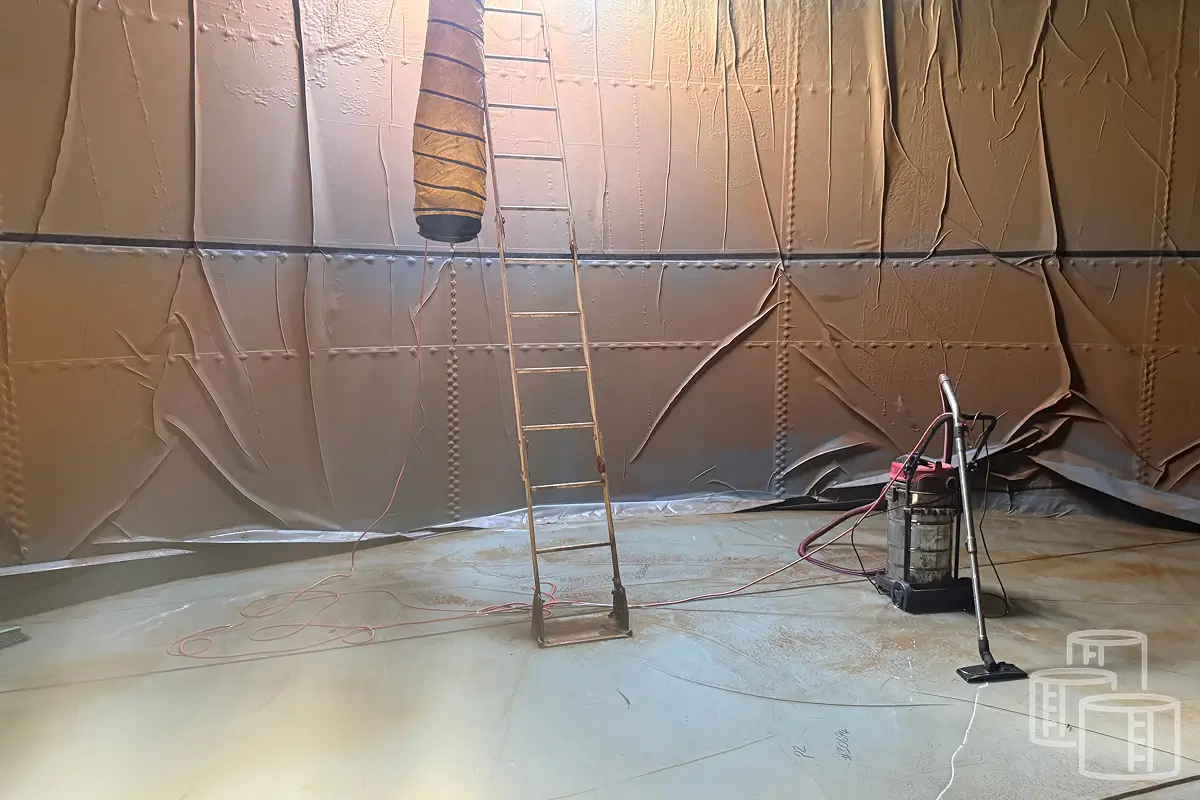
Focus cleaning on material that should not remain inside the tank. Sediment usually settles at the lowest points. Loose material can often be removed without aggressive treatment of the metal surface.
Avoid scraping the tank simply to make the steel look new. A galvanised surface does not need to look polished to remain functional. Cleaning should target contaminants rather than the protective zinc layer.
Pay attention to corners and areas where material tends to accumulate. The amount of sediment can also provide information about the wider system. Rapid accumulation may indicate that additional debris is entering through the catchment or inlet system.
Clean Without Damaging the Galvanised Surface
This is particularly important when learning how to clean a galvanised water tank. Galvanising is part of the tank’s corrosion protection. Aggressive cleaning can remove or damage that protection. Avoid unnecessarily abrasive methods.
Hard grinding, aggressive wire brushing, or repeated scraping can expose the steel beneath the zinc. Cleaning products also need careful consideration. A product suitable for another surface is not automatically appropriate for galvanised steel. Strong acidic or alkaline products may react with zinc.
Always consider material compatibility before applying a chemical cleaner. More force does not necessarily produce better maintenance.
The objective is a clean, functional tank with its protective surfaces preserved.
Rinse and Check the Tank
After appropriate cleaning, remove loose material and cleaning residues. Check accessible surfaces before returning the system to normal use. Look for areas that were previously hidden by sediment.
Cleaning can reveal:
- coating damage;
- corrosion;
- staining;
- damaged fittings;
- deteriorated seals;
- unexpected material loss.
Finding these conditions does not automatically mean the tank requires replacement. It does mean they should not simply be covered again by fresh water.
Make sure the tank and connected system are suitable for their intended use before returning them to operation.
What Should You Avoid When Cleaning Galvanised Steel?
Some cleaning methods can create more problems than they solve. Galvanised steel should not be treated like an unprotected metal surface. Avoid practices that unnecessarily remove zinc.
Common mistakes include:
- aggressive grinding of galvanised surfaces;
- excessive abrasive cleaning;
- using unsuitable acidic chemicals;
- using incompatible alkaline cleaners;
- repeatedly scraping protective surfaces;
- ignoring chemical residues after cleaning;
- damaging coatings around fittings;
- leaving discovered corrosion unexamined.
Extra care is also needed with tools. A tool that scratches or gouges the surface may compromise local protection. Chemical cleaners should never be selected simply because they remove stains quickly.
Their compatibility with zinc matters. If the tank stores drinking water, additional requirements may apply to cleaning products and procedures. Appearance should not be the main goal.
Protecting the tank and maintaining suitable water storage conditions are more important.
How to Help Prevent Corrosion in a Galvanised Water Tank
Corrosion prevention starts with protecting the zinc coating. Avoid unnecessary mechanical damage to galvanised surfaces. Scratches can occur during maintenance, nearby construction, or equipment installation.
Small damaged areas may still receive some sacrificial protection from surrounding zinc. Larger areas leave more steel exposed. External moisture should also be controlled. Keep drainage around the tank clear.
Avoid allowing vegetation, soil, or debris to remain against the walls. Check areas around pipes and fittings for recurring leaks. Water chemistry is another consideration.
Different water sources contain different concentrations of minerals, salts, and other substances. Changes in water source may therefore change conditions inside the tank. Coastal environments deserve additional attention because airborne salts can settle on external surfaces.
Corrosion prevention is not a single maintenance task. It comes from controlling several small factors throughout the tank’s operation.
Maintaining Water Quality in a Galvanised Tank
Tank maintenance and water quality are closely connected. A well-maintained tank helps reduce opportunities for external contaminants to enter stored water. Start with the obvious entry points.
Covers should remain secure. Screens should remain intact. Inlets should not continuously introduce excessive debris. Organic material should be controlled before large quantities accumulate. Sediment should also be monitored.
Changes in stored water can provide useful warning signs.
Look for unexpected changes in:
- colour;
- clarity;
- smell;
- sediment levels;
- visible particles.
These observations cannot identify every water-quality issue. Clear water is not automatically suitable for every purpose. Testing requirements depend on the intended use and relevant local requirements.
The important maintenance principle is consistency. Unexpected changes deserve investigation rather than assumption.
Does Galvanised Rainwater Tank Maintenance Differ?
A galvanised rainwater tank requires attention to more than the tank itself. The roof catchment is part of the storage system. Anything collected on the roof may eventually reach the tank.
Leaves, dust, animal waste, and other debris can enter rainwater systems. Gutters should therefore remain reasonably clear. Leaf screens and inlet screens should also be checked. Where a system uses first-flush components, these should operate correctly.
Overflow screens need attention as well. After long dry periods, catchment surfaces may contain more accumulated material. The first significant rainfall can wash this material toward the storage system.
Maintaining upstream components reduces the amount of contamination reaching the tank. This can also reduce sediment accumulation.
The tank should therefore be viewed as one part of the complete rainwater collection system.
Galvanised Water Tank Maintenance in Coastal Areas
Coastal conditions can be more aggressive toward galvanised steel. Airborne salt contains chlorides that can settle on external tank surfaces. Humidity and moisture can increase their effect.
Exposure varies considerably between locations. Distance from the coastline is only one factor. Wind, shelter, surrounding buildings, and local conditions also influence salt exposure. Pay closer attention to areas where moisture remains for longer periods.
Edges, connections, roof sections, and sheltered areas can deserve additional observation. External deposits should not simply be ignored because the stored water remains unaffected. The outside environment contributes to overall tank condition.
Regular visual monitoring is particularly useful in locations with significant salt exposure.
When Routine Maintenance is not Enough
Routine maintenance is intended to preserve tank condition and identify developing changes. It cannot correct every form of deterioration. Some findings deserve further assessment.
These can include:
- recurring leaks;
- widespread red rust;
- significant coating loss;
- visible material loss;
- damaged panels;
- unusual deformation;
- persistent corrosion around joints;
- deteriorated structural components;
- repeated water-quality changes.
A small isolated mark is different from deterioration affecting multiple areas. Progressive changes are also more concerning than stable cosmetic changes.
Avoid covering significant corrosion simply to improve appearance. The underlying cause should first be understood.
Can Maintenance Help a Galvanised Tank Last Longer?
Regular maintenance can help create better conditions for long-term tank performance. It reduces avoidable exposure to moisture, debris, contamination, and physical damage. Maintenance also helps identify changes before they become difficult to manage.
However, maintenance cannot control every factor affecting tank life. Water chemistry, environmental exposure, tank construction, and coating condition also matter. Two tanks receiving similar maintenance can therefore age at different rates.
Simple Galvanised Water Tank Maintenance Checklist
A simple routine makes ongoing maintenance easier.
Use the following points as a general guide:
- Inspect accessible external surfaces.
- Look for red rust and coating damage.
- Check the tank base for persistent moisture.
- Keep surrounding drainage clear.
- Remove vegetation touching tank walls.
- Check the roof and covers.
- Clean accessible inlet screens.
- Check overflow components.
- Look for leaks around fittings.
- Monitor sediment accumulation.
- Watch for unusual water changes.
- Avoid damaging the zinc coating during cleaning.
- Investigate significant or progressive corrosion.
- Check the system after severe weather.
The exact maintenance requirements will vary between tanks. Use tank design, environment, water source, and intended use to determine additional requirements.
Final Thoughts
Good galvanised water tank maintenance is mostly preventative. Keep the tank clean, protect its galvanised surfaces, control moisture, and maintain surrounding drainage. Check screens, fittings, roofs, and other components rather than focusing only on tank walls. Sediment should also be monitored and removed when necessary.
Most importantly, maintenance should preserve the zinc coating rather than damage it through excessive cleaning. Regular observation also makes changes easier to identify.