
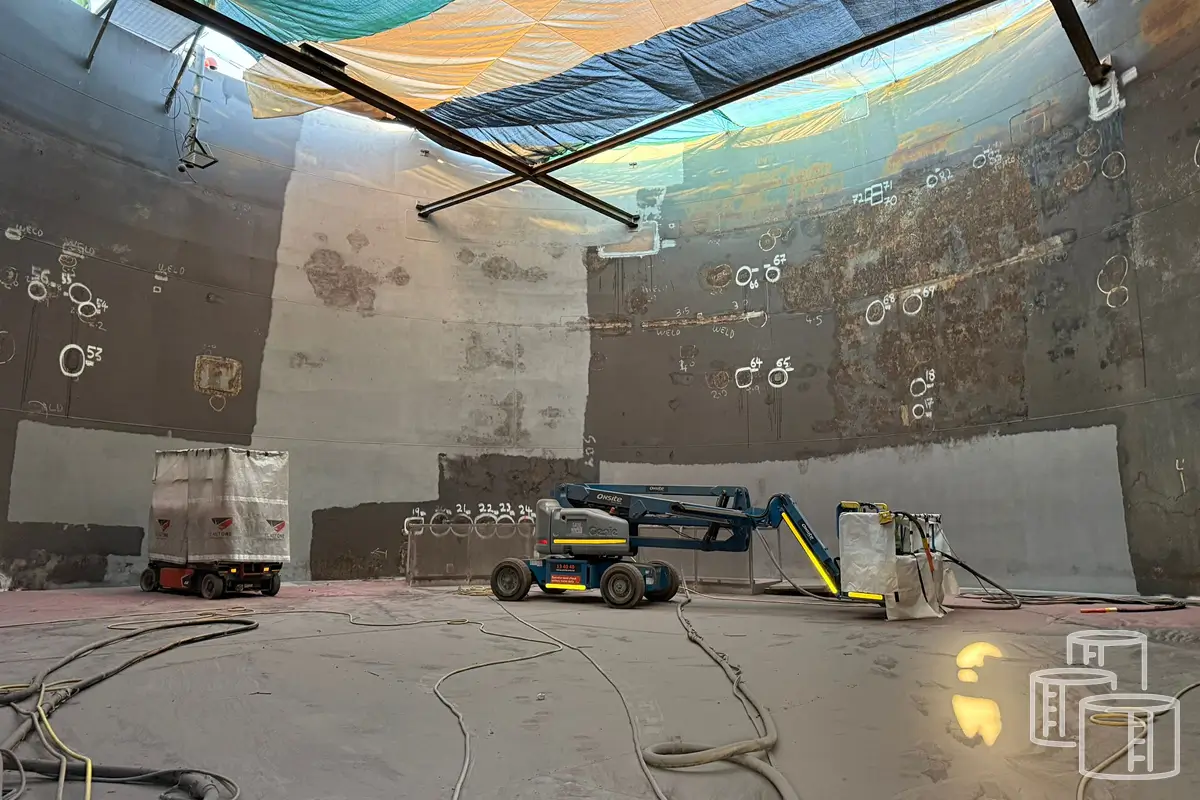
Water storage tanks play a critical role in supplying water for residential, commercial, and industrial systems. Over time, however, these structures can deteriorate due to environmental exposure, corrosion, sediment buildup, and structural stress. When tanks begin to show signs of wear, restoration becomes an important step in maintaining safe and reliable water storage.
Understanding the most common water tank restoration methods helps facility managers and property owners extend the lifespan of their tanks while maintaining water quality and structural safety. Instead of replacing an entire tank, restoration techniques can repair damage, protect surfaces, and restore full functionality.
Why Water Tank Restoration is Important
Water tanks are designed for long-term use, but constant exposure to water, temperature changes, and environmental conditions can gradually weaken materials. Without proper maintenance, small issues such as corrosion or minor leaks can develop into serious structural problems.
Restoration helps address these issues before they lead to system failure. It allows aging tanks to continue operating safely while reducing the need for costly replacements.
Several benefits make restoration an important part of water storage management:
- Extending the lifespan of existing tanks
- Maintaining safe water storage conditions
- Preventing structural deterioration
- Reducing long-term maintenance costs
Many facilities rely on regular inspections and restoration work to ensure their water storage systems remain reliable for many years.
Common Problems in Aging Water Storage Tanks
Before selecting restoration techniques, it is important to understand the types of problems that typically develop in older tanks. Over time, tanks may experience a range of structural and surface issues that affect their performance.
One of the most common problems is corrosion, especially in steel tanks. Continuous exposure to moisture and oxygen can cause metal surfaces to rust, weakening the structure and contaminating stored water.
Another frequent issue is sediment buildup. Minerals and debris can accumulate at the bottom of the tank, reducing storage capacity and affecting water quality.
Tanks may also develop leaks or cracks, particularly if the structure has experienced mechanical stress or long-term exposure to environmental conditions. Even small leaks can gradually worsen if they are not repaired.
Other Potential Problems Include:
- Deteriorating internal coatings
- Structural deformation
- Damaged joints or seams
- Biofilm or bacterial growth
Identifying these issues early allows restoration work to focus on the areas that require repair and protection.
Many aging storage systems require professional tank refurbishment to repair structural damage and restore safe water storage conditions.
Common Water Tank Restoration Methods
There are several widely used water tank restoration methods that help repair damage and protect storage tanks from further deterioration. The exact method used depends on the tank material, size, and the type of damage present.
Structural Repairs
Structural repairs are often required when a tank shows signs of physical damage. Cracks, weakened joints, or deformed panels must be repaired to restore the tank’s stability.
Technicians may reinforce structural components, repair seams, or replace damaged sections of the tank wall. These repairs ensure that the tank can safely support the stored water volume without risking structural failure.
Corrosion Treatment
Corrosion is one of the most common issues affecting steel water tanks. Restoration work typically includes removing rust and treating affected surfaces to prevent further corrosion.
Cleaning techniques such as abrasive blasting or specialized surface preparation methods are often used to remove corrosion layers. Once the surface is cleaned, protective coatings can be applied to create a barrier against moisture and oxygen.
This process helps restore structural integrity and significantly slows down future corrosion.
Leak Sealing and Waterproofing
When tanks develop leaks, sealing methods are used to prevent water loss and structural damage. Specialized sealing materials can be applied to cracks, joints, or seams where water escape occurs.
Waterproof coatings may also be applied to internal surfaces to strengthen the tank’s resistance to moisture penetration. These coatings help prevent future leaks and improve the durability of the structure.
Cleaning and Sediment Removal
Another important step in the restoration process is cleaning the interior of the tank. Over time, sediment, mineral deposits, and biological contaminants can accumulate on the bottom and walls of water storage tanks.
Cleaning procedures remove these materials and restore the tank’s storage capacity. This step also improves water quality by eliminating contaminants that may affect the stored water.
Cleaning often involves:
- Removing sediment deposits
- Washing internal surfaces
- Disinfecting the tank interior
- Preparing surfaces for coatings or liners
Once the tank has been cleaned, restoration materials can be applied more effectively.

How Restoration Extends Tank Lifespan
Properly performed restoration can significantly extend the lifespan of water storage tanks. Instead of replacing an entire tank, restoration allows existing structures to continue functioning safely with improved protection against future damage.
Protective coatings, structural repairs, and liners all contribute to maintaining the tank’s integrity over time. These improvements help prevent corrosion, reduce the risk of leaks, and maintain the tank’s ability to store water safely.
In many cases, restoration can add decades to the operational life of a tank, making it a practical solution for facilities that rely on long-term water storage.
Maintaining Tanks after Restoration
Even after restoration, regular maintenance remains essential. Routine inspections help detect small issues early and prevent major damage.
Maintenance usually includes checking tank surfaces, monitoring sediment levels, and inspecting protective coatings or liners. These steps help keep the tank in good condition and maintain safe water storage. Preventive maintenance programs frequently include water tank refurbishment to protect storage systems from long-term damage.
With proper care and periodic inspections, restored tanks can operate reliably for many years. Effective water tank restoration methods combined with regular maintenance significantly extend the lifespan of water storage systems.


