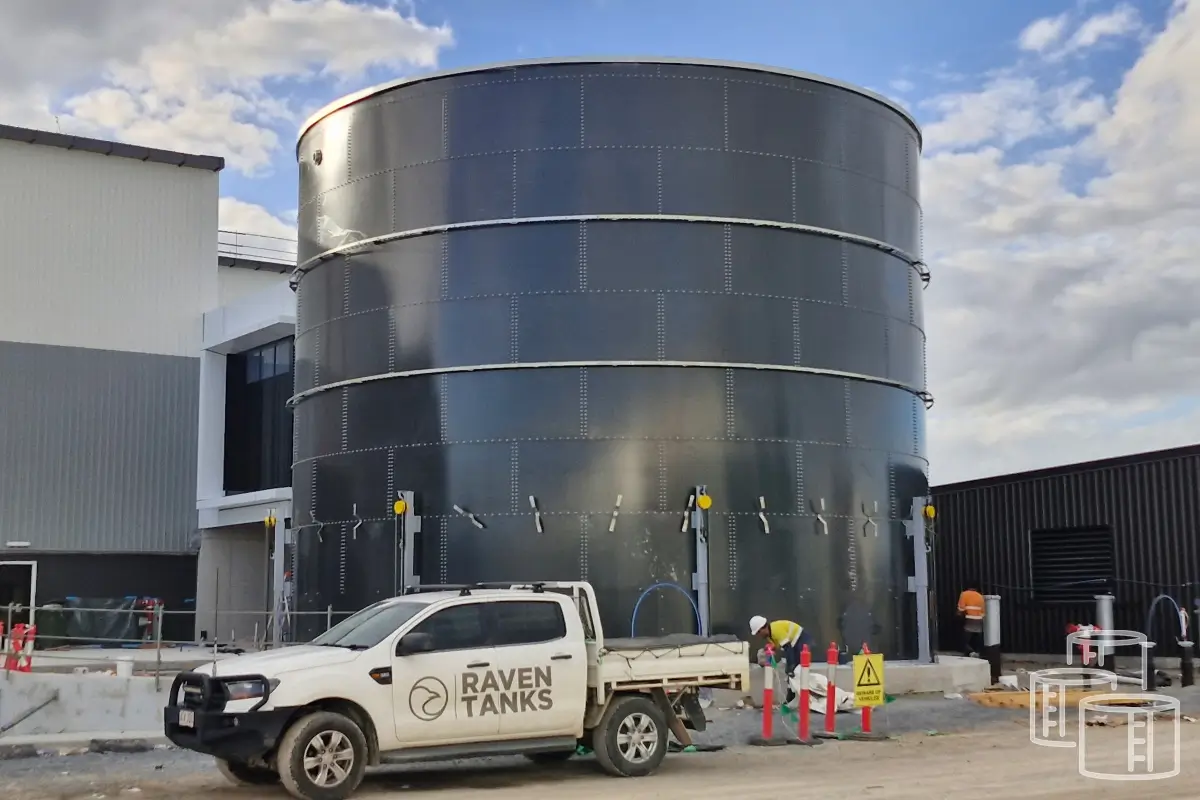
Fire water tanks are a critical part of fire protection systems. They must operate reliably in emergency situations.
In Australia, inspection requirements ensure these systems remain functional and compliant. Understanding these requirements helps reduce risks and maintain system readiness.
Why Inspection Requirements Matter
Fire systems must perform without failure during emergencies. Any issue can compromise safety and response effectiveness. Inspection requirements help identify problems early. They ensure tanks remain safe, functional, and ready for use.
Failure to follow requirements can lead to system failure. It may also result in compliance issues and operational risks.
Australian Standards for Fire Tank Inspections
Fire water tank inspections in Australia are guided by national standards. These standards define how systems should be maintained and checked.
They focus on performance, safety, and reliability. Regular inspections are a key part of compliance.
Following these standards ensures consistent system performance. It also supports long-term operational efficiency.
Key Fire Water Tank Inspection Requirements
Inspection requirements cover several important areas. Each requirement ensures the system operates correctly.
1. Regular Inspection Frequency
Fire water tanks must be inspected at defined intervals. This helps detect issues before they become serious problems.
Inspection schedules depend on system type and usage. Consistent timing is essential for reliability.
2. Structural Condition Assessment
The tank structure must be checked for damage or wear. This includes cracks, corrosion, and external deterioration.
Structural issues can affect system performance. Early detection helps prevent costly repairs.
3. Internal Condition Evaluation
Internal surfaces should be inspected for corrosion and buildup. Tank linings must remain intact and functional.
Sediment and debris can affect system efficiency. Internal checks help maintain proper operation.
4. Component and Fittings Inspection
All valves, pipes, and fittings must be tested. These components control water flow during emergencies.
Faulty parts can reduce system effectiveness. Regular checks ensure proper functionality.
5. Water Level and System Readiness
Water levels must be monitored during inspections. Insufficient levels can compromise fire protection performance.
Level indicators should also be tested for accuracy. This ensures reliable system readiness.
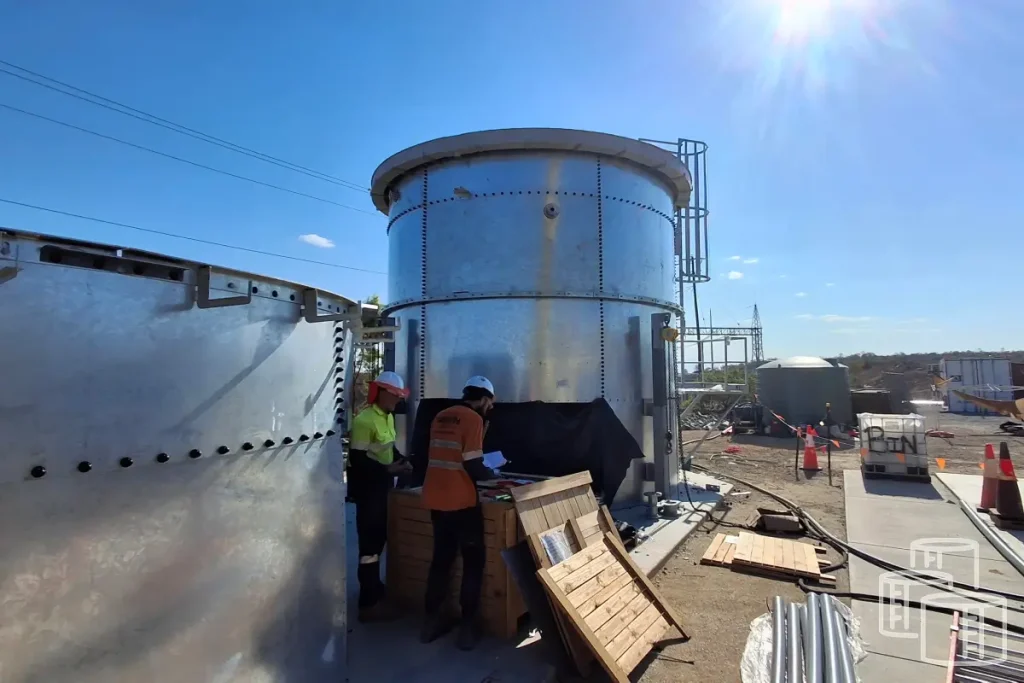
6. Access and Safety Checks
Access points must be secure and easy to use. Safe access is important for inspection and maintenance activities.
Covers and ladders should be checked regularly. This helps prevent safety risks during servicing.
7. Documentation and Compliance Records
Inspection records must be maintained accurately. They provide proof of compliance with Australian standards.
Documentation helps track system condition over time. It also supports future maintenance planning.
Risks of Non-Compliance
Ignoring inspection requirements can lead to serious consequences. System failures may occur during emergencies. Non-compliance can also result in penalties or liability risks. It may affect overall safety and operational performance.
Regular inspections help reduce these risks significantly.
The Role of Professional Inspection Services
Professional inspections ensure all requirements are properly met. Experts follow industry standards and best practices.
They can identify hidden issues and recommend solutions. This helps maintain system reliability and compliance.
For reliable support, consider professional fire tank inspections from experienced providers.
Supporting System Performance and Safety
Inspection requirements are designed to protect system performance. They ensure fire tanks remain reliable and ready for use.
Regular checks improve efficiency and reduce long-term costs. They also help extend the lifespan of the system.
Final Thoughts
Fire water tank inspection requirements in Australia are essential. They ensure safety, compliance, and system reliability.
Following these requirements helps prevent failures and reduce risks. It also supports long-term performance and operational readiness.
A proactive approach ensures your fire protection system is always prepared.