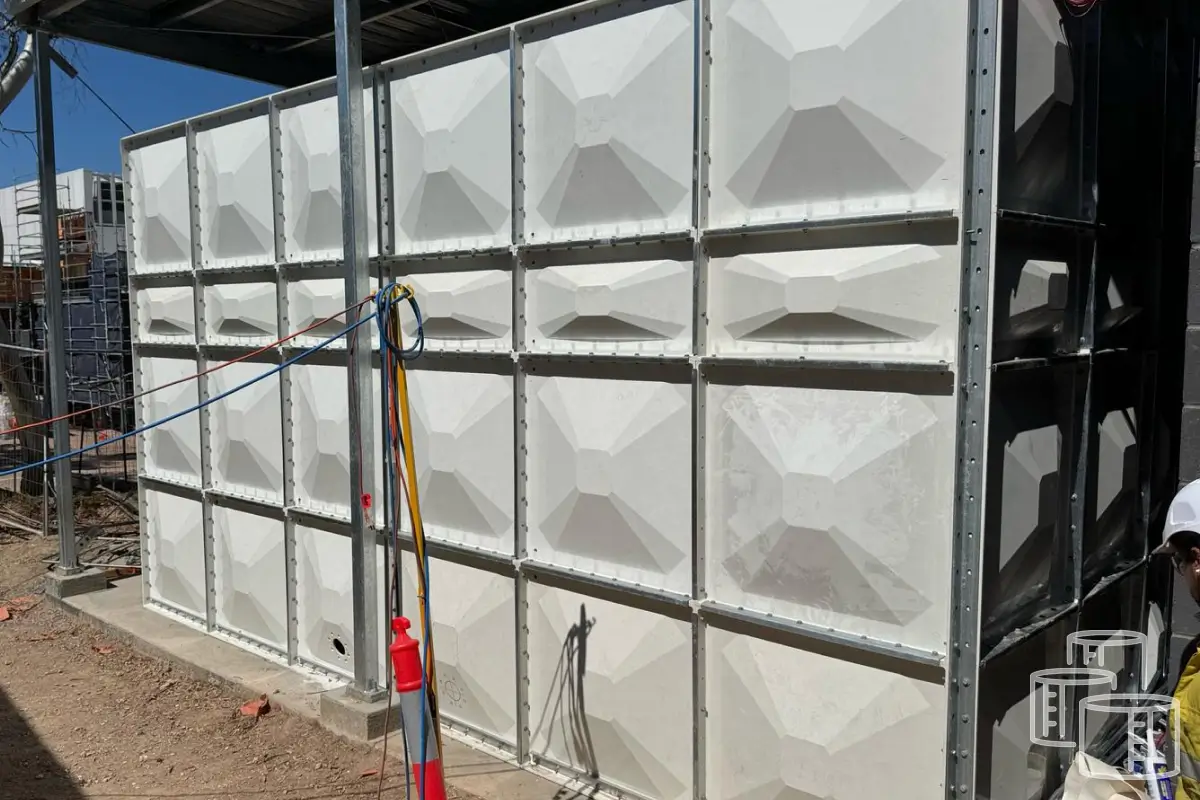
Water storage systems are designed to operate reliably over long periods. However, the lifespan of a tank can vary depending on materials, environment, and maintenance practices.
GRP panel tanks are widely used in commercial, industrial, and infrastructure projects. They are known for durability and resistance to corrosion, but like any system, their lifespan depends on several factors.
This article explains how long GRP panel tanks typically last and what influences their performance over time.
Typical Lifespan of GRP Panel Tanks
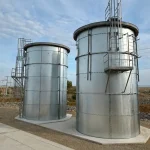
GRP (Glass Reinforced Plastic) panel tanks are built for long-term use. In most applications, they can last between 20 and 30 years or more.
In controlled environments with proper maintenance, their lifespan may extend even further. This makes them a reliable option for projects that require consistent performance over decades.
Compared to traditional materials, GRP offers a balance of strength and resistance to environmental stress.
What Affects the Lifespan of GRP Tanks
Several factors influence how long a tank will remain in good condition.
1. Environmental Conditions
External conditions play a major role in tank performance. Exposure to extreme temperatures, UV radiation, or coastal environments can impact materials over time.
GRP is designed to resist many of these factors, but long-term exposure still requires monitoring.
2. Water Quality
The type of water stored inside the tank can affect internal surfaces. Chemically aggressive water or contaminants may lead to gradual wear.
Regular inspection helps identify any early signs of material degradation.
3. Installation Quality
Proper installation is essential for long-term reliability. Incorrect assembly, poor sealing, or uneven foundations can create stress points in the structure.
These issues may not appear immediately but can reduce lifespan over time.
4. Maintenance and Inspection
Routine maintenance helps extend the life of any water storage system. Inspections can identify minor issues before they become serious problems.
Cleaning and basic servicing also help maintain performance.
How GRP Tanks Compare in Longevity
When considering how long GRP panel tanks last, it is also useful to compare them with other materials. You can explore this further in our guide on how GRP tanks compare to steel and concrete systems.
Steel tanks often require ongoing maintenance due to corrosion risks. Protective coatings may degrade over time, reducing effectiveness.
Concrete tanks can last for many years but may develop cracks or structural issues. These can lead to leaks or require repairs.
GRP tanks are resistant to corrosion and do not rust. This gives them an advantage in environments where moisture or chemicals are present.
Signs of Aging in GRP Panel Tanks
Even durable systems show signs of aging over time.
Some common indicators include:
- Minor surface wear or discoloration
- Changes in sealing performance
- Structural stress in certain panels
- Reduced efficiency in fittings or connections
These signs do not always indicate failure but should be monitored during inspections.
Extending the Lifespan of GRP Tanks
There are several ways to ensure long-term performance:
- Conduct regular inspections
- Address minor issues early
- Maintain proper water quality
- Ensure correct installation from the start
Preventive care can significantly extend the usable life of a tank.
The Role of Modular Design
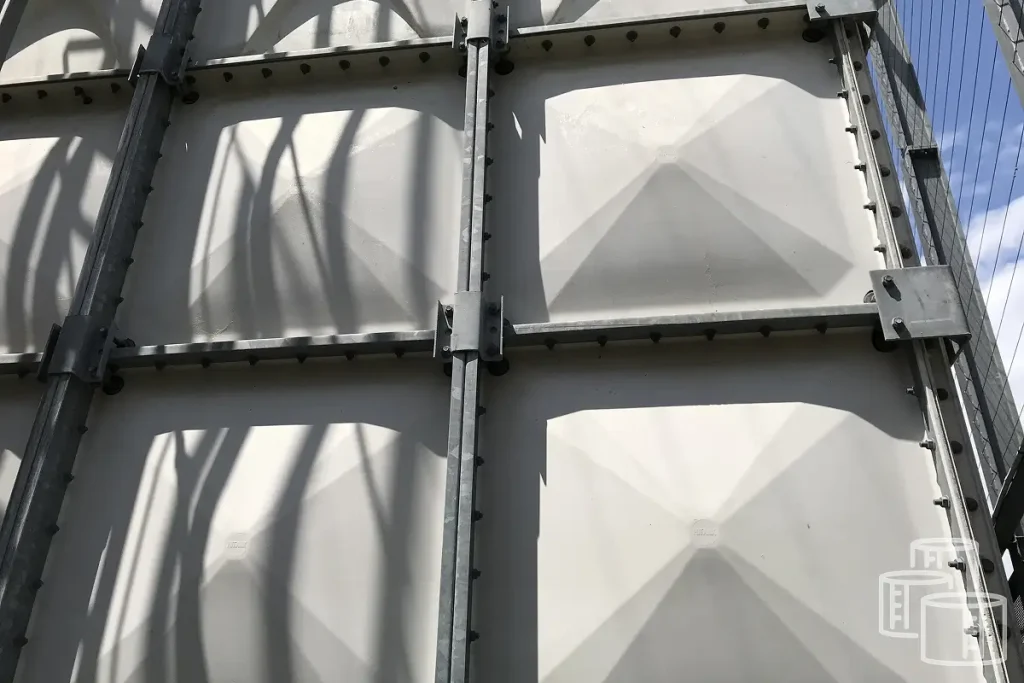
One advantage of GRP water tanks is their modular structure. Individual panels can be replaced if needed without rebuilding the entire system. This makes it easier to manage wear and extend the tank’s operational life.
Modular design also allows for upgrades or modifications over time.
Long-Term Performance in Different Applications
GRP tanks are used in a wide range of environments. They perform well in commercial buildings, industrial facilities, and infrastructure projects. Their resistance to corrosion and adaptability make them suitable for both urban and remote locations.
For a broader understanding of how grp tanks are used across different applications, it is useful to explore their modular design and flexibility.
Final Thoughts
GRP panel tanks are designed for durability and long-term use. With proper installation and maintenance, they can provide reliable performance for decades.
Understanding the factors that influence lifespan helps ensure better planning and system management. Regular monitoring and preventive care play a key role in maintaining efficiency over time.