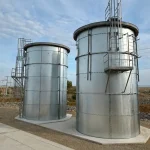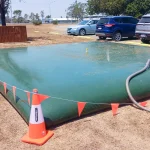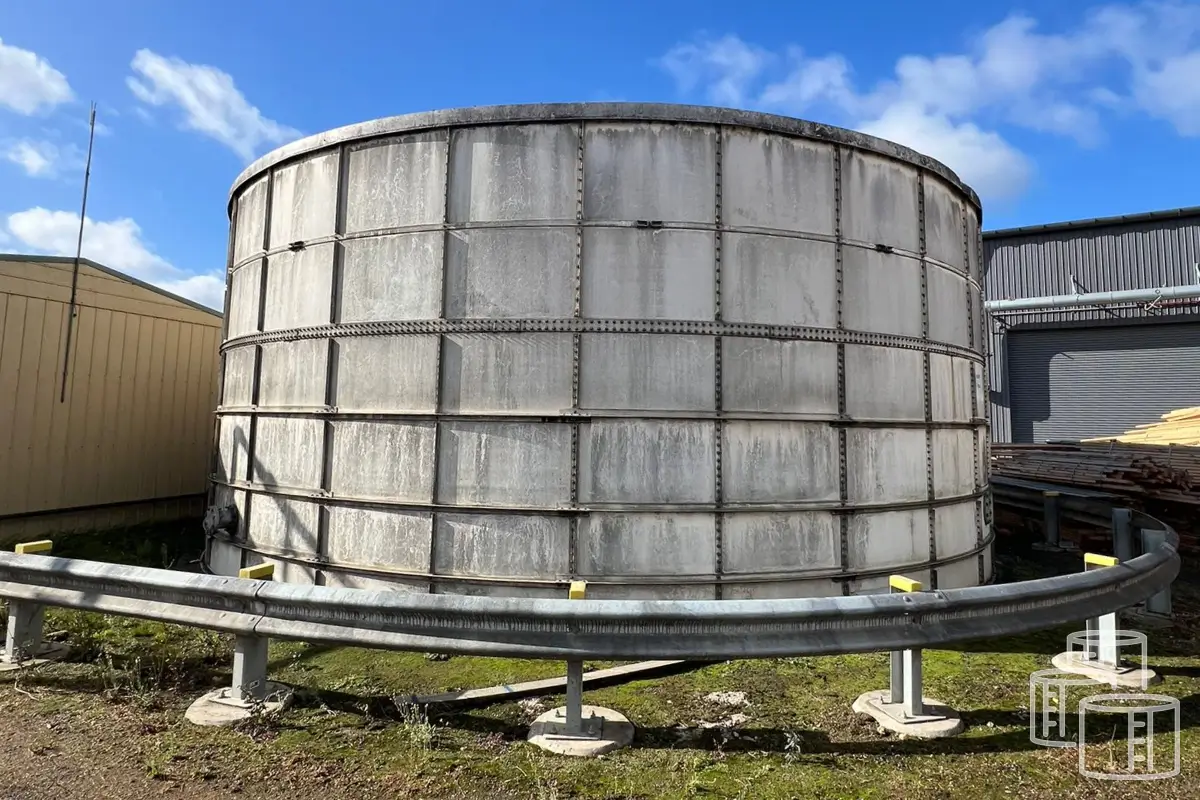
Fire water tanks must perform reliably during emergencies. Any issue can reduce system effectiveness and create serious risks.
Over time, tanks develop problems due to wear, environment, and lack of maintenance. Understanding these issues helps prevent failures and costly repairs.
Why Fire Water Tank Problems Occur
Fire tanks operate in challenging conditions. They are exposed to weather, debris, and internal stress.
Without regular maintenance, small issues can become major failures. Early detection is key to system reliability.
Most Common Fire Water Tank Problems
Several issues frequently affect fire water tanks. Each one can impact performance and safety.
1. Sediment Buildup
Sediment naturally accumulates at the bottom of the tank. This reduces water quality and affects system efficiency.
It can block outlets and damage internal components. Regular cleaning helps prevent these problems.
2. Corrosion and Rust
Corrosion weakens tank structure over time. It is one of the most serious long-term issues.
Rust can lead to leaks and structural failure. Protective coatings and regular checks reduce this risk.
3. Leaks and Structural Damage
Leaks may develop due to wear or external damage. Even small leaks can reduce system performance.
Structural damage can worsen if not addressed early. Timely repairs help prevent major failures.
4. Faulty Valves and Connections
Valves and fittings control water flow during emergencies. Faulty components can disrupt system operation.
Leaks or blockages may occur without proper maintenance. Regular checks ensure all components function correctly.
5. Low Water Levels
Insufficient water levels reduce system readiness. This can affect fire response effectiveness.
Monitoring levels helps prevent unexpected shortages. Functional indicators are essential for accurate tracking.
6. Contamination and Poor Water Quality
Contaminants can enter through damaged covers or openings. This affects water quality and system performance.
Poor water conditions may damage internal components. Proper sealing and cleaning help maintain quality.
7. Blocked Inlets and Outlets
Debris can block pipes and outlets over time. This restricts water flow during critical situations.
Blocked systems may fail when needed most. Regular cleaning prevents these issues.
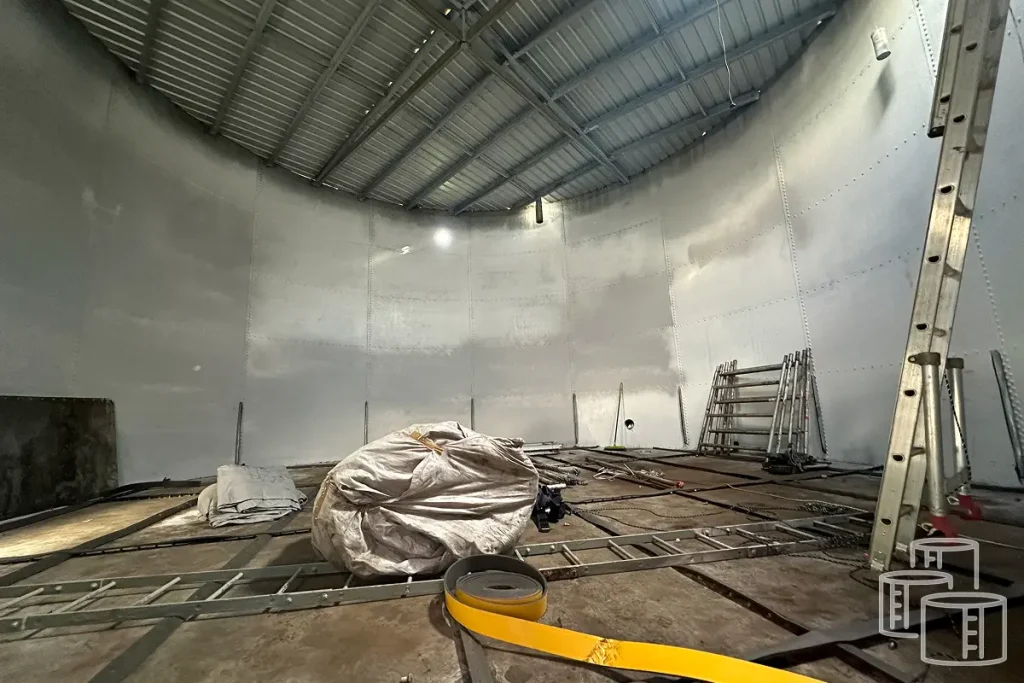
How to Fix and Prevent these Problems
Preventative maintenance is the most effective solution. It reduces risks and improves long-term performance. Cleaning removes sediment and contaminants from the tank. Component checks ensure all parts function properly.
Corrosion protection helps maintain structural integrity. Timely repairs prevent small issues from escalating.
Using a structured checklist improves consistency. See our fire water tank maintenance checklist for guidance.
When to Seek Professional Help
Some issues require professional expertise. Complex problems may not be visible during routine checks.
Professionals use specialised tools and methods. They ensure maintenance is performed safely and correctly.
For reliable support, consider fire tank maintenance from experienced providers.
How Regular Maintenance Prevents Problems
Consistent maintenance helps identify issues early. It prevents damage and reduces repair costs. A proactive approach ensures system reliability. It also supports compliance and safety requirements.
For a complete approach, read how to maintain a fire water tank.
Final Thoughts
Fire water tank problems can affect system performance and safety. Most issues are preventable with proper maintenance. Regular checks, cleaning, and repairs make a significant difference. They help ensure the system works when it matters most.
A well-maintained tank supports reliable fire protection. It also reduces long-term operational risks. Addressing common fire water tank problems early helps maintain efficiency and prevent unexpected system failures.