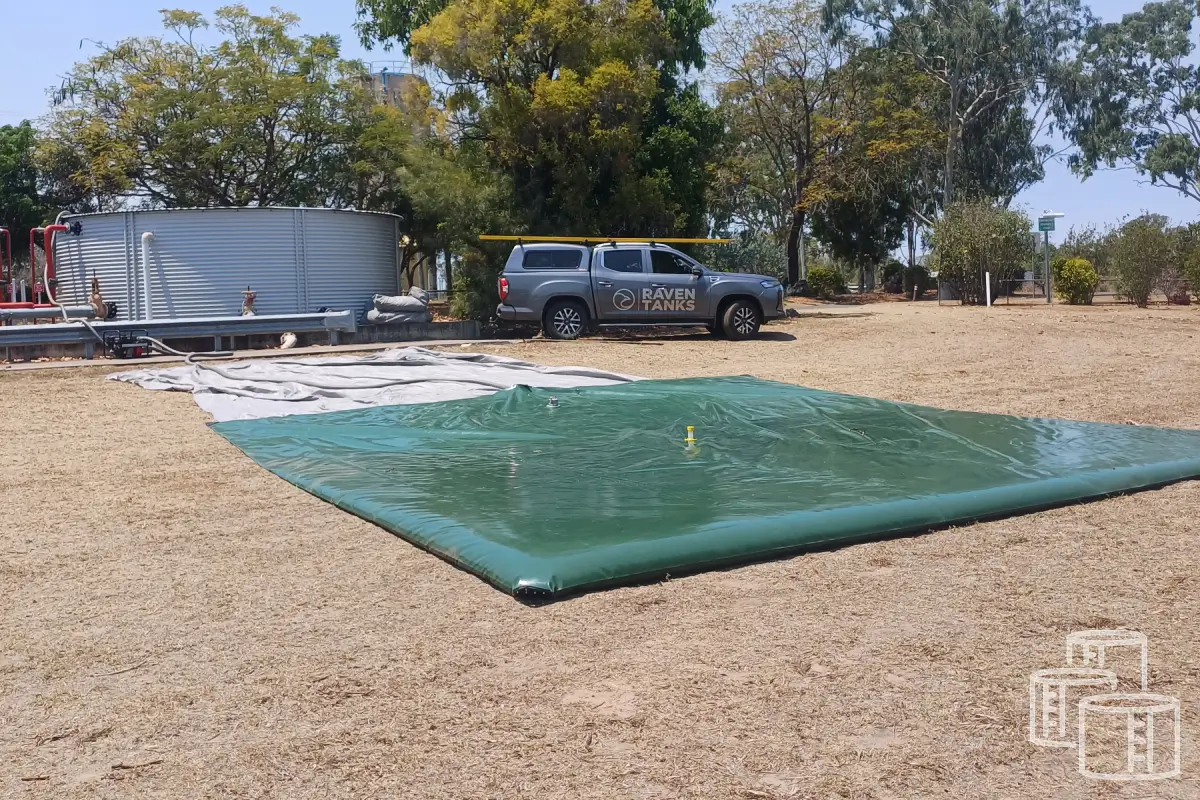
Portable water storage have become an essential solution for situations where permanent water infrastructure is unavailable, impractical, or unnecessary. Designed for flexibility, mobility, and fast deployment, these tanks provide a reliable way to store and manage water across a wide range of temporary and remote applications.
From emergency response to construction sites and agricultural operations, portable water storage tanks offer a practical alternative to rigid, fixed storage systems.
What are Portable Water Storage Tanks?
Portable water storage are flexible or semi-flexible containers designed to hold water for short-term or temporary use. Unlike permanent steel or concrete tanks, they can be quickly transported, installed, relocated, and stored when not in use.
Many portable tanks are manufactured using durable reinforced fabrics or flexible membrane materials that allow them to maintain their shape once filled. Their design enables rapid setup without complex foundations, heavy equipment, or long installation timelines.
Key Advantages of Portable Water Storage
Fast Deployment and Mobility
One of the main benefits of portable water storage tanks is their ability to be deployed quickly. In many cases, tanks can be set up and filled within hours, making them ideal for time-sensitive applications such as emergency response or temporary water supply needs.
Their lightweight construction allows for easy transportation between sites, and once emptied, they can be folded or compacted for efficient storage.
Flexibility Across Applications
Portable water storage tanks are used in a variety of environments, including:
- Emergency and disaster response operations
- Firefighting support and water staging
- Construction and infrastructure projects
- Mining and industrial sites
- Agricultural irrigation and livestock watering
- Remote or temporary facilities
This versatility makes them a valuable solution wherever water availability needs to be established quickly and reliably.
Minimal Site Preparation
Unlike permanent storage tanks, portable water storage tanks typically require little to no site preparation. A level surface is often sufficient, eliminating the need for concrete pads or structural supports. This reduces setup time, cost, and environmental impact.
Cost-Effective Temporary Storage
For short-term or seasonal water storage, portable tanks offer a cost-effective alternative to permanent installations. They allow organizations to meet temporary water demands without investing in infrastructure that may not be needed long-term.
Scalability
Portable water storage are available in a wide range of capacities, allowing users to scale storage volume based on project requirements. Multiple tanks can also be deployed together to increase total capacity when needed.
Common Types of Portable Water Storage Tanks
Several designs are commonly used depending on application needs:
Open-top flexible tanks
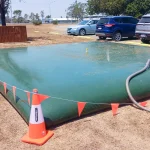
Often referred to as onion tanks, these tanks maintain their shape as water fills them and are frequently used in firefighting and emergency scenarios.
Closed bladder tanks
These fully enclosed tanks are well suited for transporting and storing potable water, as they help protect water quality and reduce contamination risks.
Frame-supported portable tanks
Some portable tanks include lightweight support frames for added stability, particularly in high-traffic or uneven environments.
Reliability and Durability
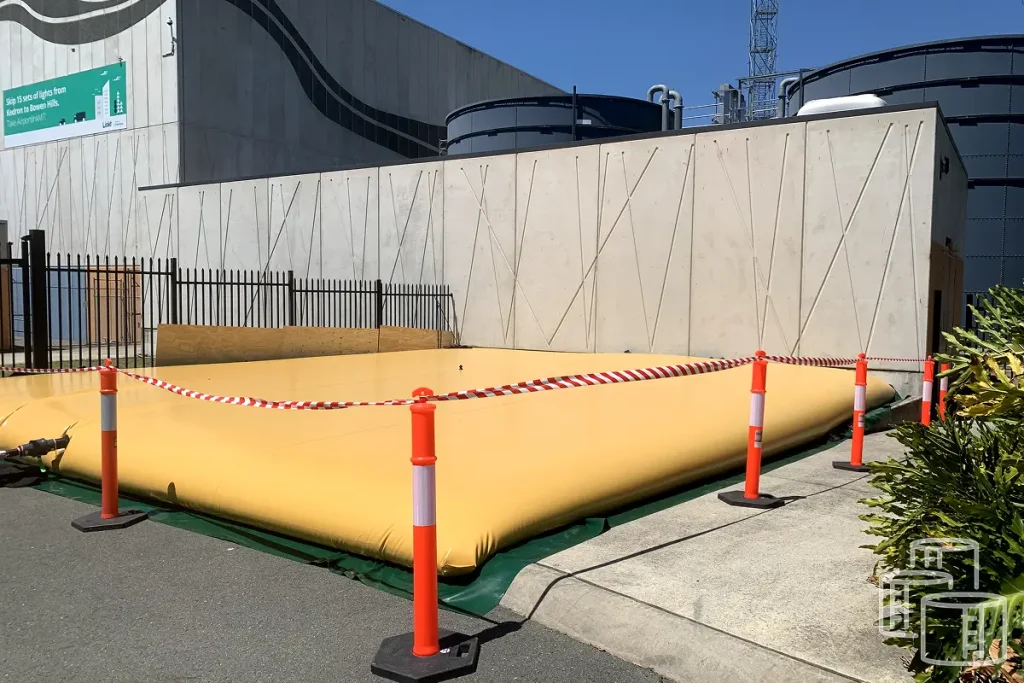
Modern portable water tank are engineered for durability in demanding conditions. Materials are typically resistant to UV exposure, punctures, and environmental wear. When properly selected and maintained, portable tanks can provide dependable performance across repeated deployments.
Their reliability makes them suitable not only for emergency use but also for planned temporary operations where consistent water availability is critical.
Considerations when Choosing Portable Water Tanks
When selecting portable water storage, it is important to consider:
- Required storage capacity
- Intended use (potable vs. non-potable water)
- Site conditions and available space
- Duration of use
- Environmental exposure
Matching tank specifications to operational requirements helps ensure optimal performance and longevity. In situations where fast and temporary water storage is required, this type of solution is commonly used due to its flexibility, ease of transport, and rapid setup.
Conclusion
Portable storage tanks offer a flexible, reliable, and efficient solution for temporary water storage needs. Their fast deployment, mobility, and adaptability make them ideal for emergency response, construction projects, remote operations, and a wide range of industrial and agricultural applications.
As water management challenges continue to evolve, portable water storage tanks remain a practical option for organizations seeking dependable water storage without the constraints of permanent infrastructure.