Water storage systems play an important role across industrial facilities. Many sites require reliable infrastructure for storing large water volumes safely.
Industrial operations often compare industrial panel tanks vs concrete tanks before selecting a system. The choice can affect installation, maintenance, scalability, and long-term performance.
Many facilities consider industrial panel tanks because they support flexible and large-scale water storage applications. Concrete tanks also remain common in some industries.
Understanding the differences between these systems helps organizations make more informed infrastructure decisions.
Why Water Storage System Selection Matters
Industrial facilities depend on stable water access every day.
Water supports:
- manufacturing processes
- cooling systems
- cleaning operations
- irrigation
- and fire protection infrastructure
Storage system performance can directly affect operational reliability.
Several factors influence tank selection, including:
- installation requirements
- site conditions
- storage capacity
- maintenance needs
- and future expansion plans
Facilities planning long-term infrastructure upgrades often review multiple tank options before installation begins.
Additional planning considerations can be found in key factors to consider when designing an industrial water storage.
What are Industrial Panel Tanks?
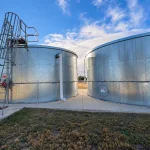
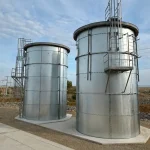
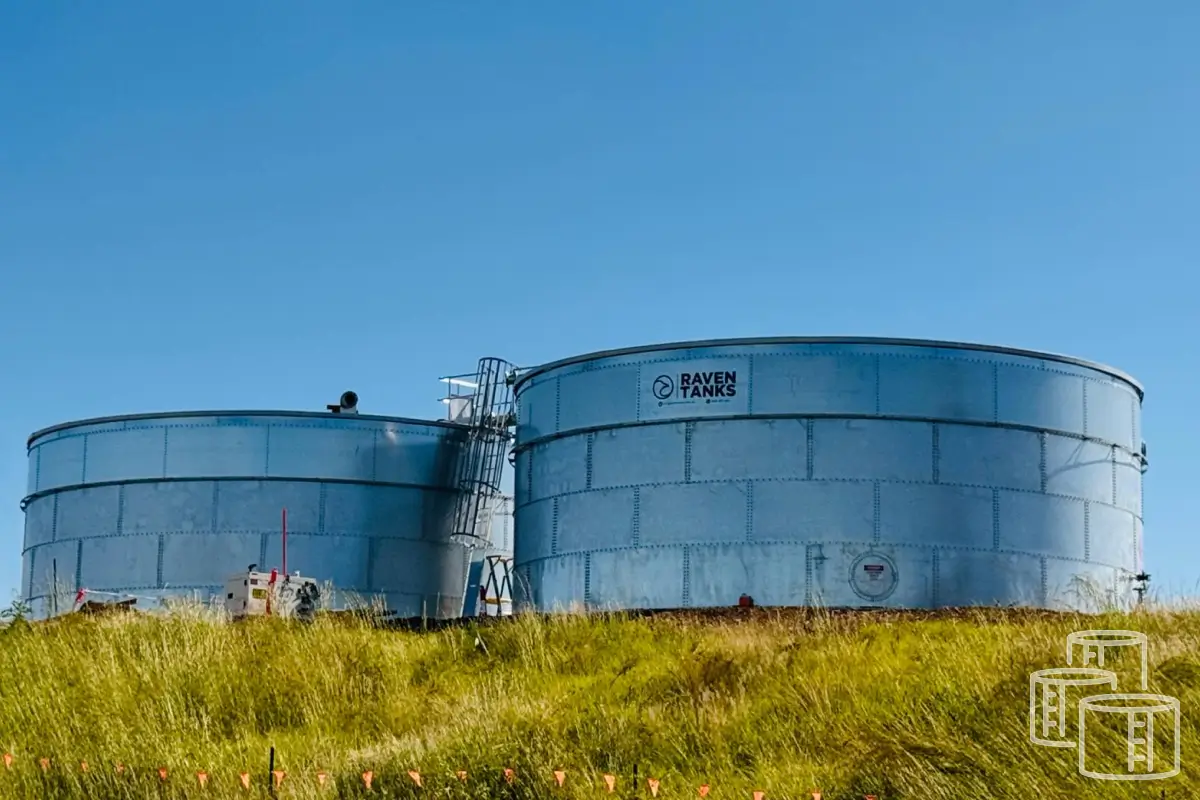
Panel tanks use modular sections that connect during installation. These systems are often manufactured from galvanized steel or similar materials. Their modular structure allows flexible sizing for different storage requirements.
Many industrial sites use water panel tanks because they support:
- large storage capacities
- modular expansion
- transport flexibility
- and faster installation processes
Panel systems are commonly used across industrial and commercial applications.
What are Traditional Concrete Water Tanks?
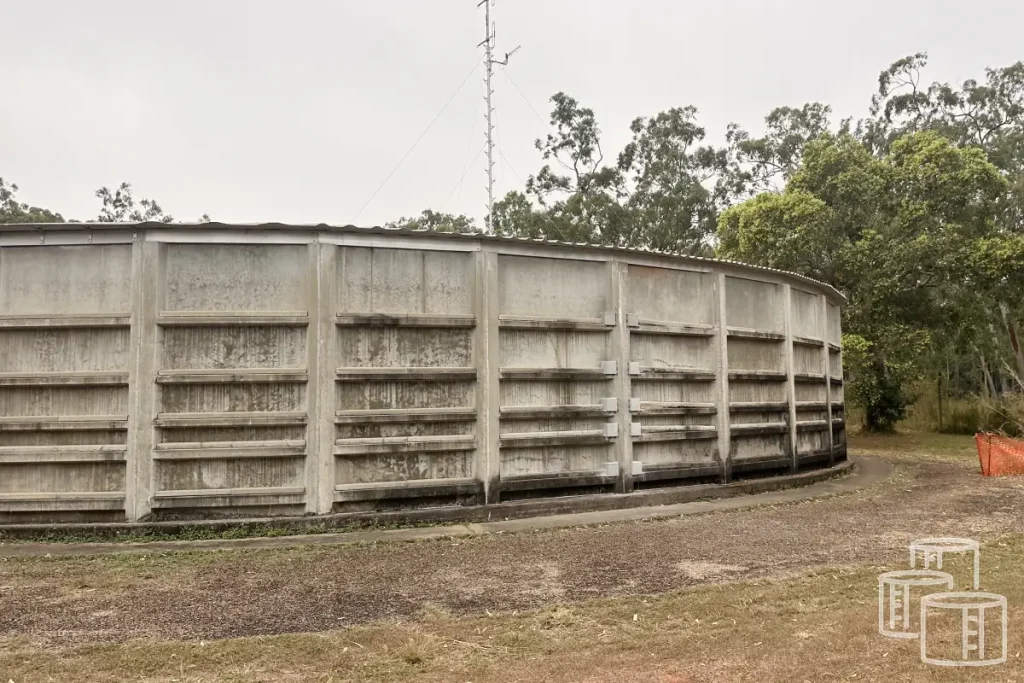
Concrete tanks are built using reinforced concrete structures. These systems are often constructed directly on-site.
Concrete storage infrastructure has been used for many years across:
- industrial facilities
- municipal infrastructure
- agricultural sites
- and wastewater treatment plants
Concrete systems are commonly selected for permanent large-scale installations.
Installation Differences
Installation requirements vary significantly between these storage systems. Panel tanks are assembled using prefabricated sections. This process often reduces on-site construction time.
Many facilities choose modular systems because they:
- simplify transportation
- support remote installations
- and reduce installation complexity
Concrete tanks usually require:
- foundation preparation
- extended construction work
- curing time
- and larger construction crews
Construction timelines may become longer for large concrete installations.
Flexibility and Expansion
Industrial operations often change over time. Storage requirements may increase as facilities expand. Modular systems can support future infrastructure growth more easily.
Panel tank systems may allow:
- capacity expansion
- sectional replacement
- and layout flexibility
Concrete tanks are generally less adaptable after construction finishes. Facilities expecting future growth often evaluate scalability during infrastructure planning.
Transportation and Site Access
Transportation requirements can affect installation planning. Remote or restricted sites may create logistical challenges. Prefabricated panel sections are usually easier to transport than large concrete materials.
This flexibility can benefit:
- mining operations
- remote industrial facilities
- agricultural sites
- and infrastructure projects
Transportation access may become more difficult for large concrete construction projects.
Maintenance Considerations
All storage systems require regular inspections and maintenance. Proper maintenance helps facilities improve long-term system performance.
Maintenance activities may include:
- structural inspections
- cleaning procedures
- coating assessments
- and corrosion monitoring
Many organizations review maintenance requirements before selecting storage infrastructure.
Structural Performance
Environmental conditions affect long-term storage system performance. Moisture exposure, temperature changes, and operational stress can impact infrastructure over time.
Concrete tanks may develop:
- surface cracking
- water penetration
- or structural wear
Steel panel systems may require coating inspections to monitor corrosion exposure.
Long-term performance often depends on:
- operating conditions
- installation quality
- maintenance frequency
- and environmental exposure
Space and Site Requirements
Site conditions can influence storage system selection. Some facilities have limited installation space or restricted construction access.
Panel systems may provide greater flexibility in confined or difficult locations. Modular layouts can adapt more easily to varying site conditions. Concrete systems often require larger construction zones and more extensive preparation work.
Facilities with limited space frequently evaluate installation flexibility during planning stages.
Long-Term Infrastructure Planning
Industrial water storage systems often remain in service for many years. Infrastructure planning should consider both current and future operational needs.
Organizations may evaluate:
- scalability
- maintenance access
- operational reliability
- and installation timelines
Storage system selection also depends on industry requirements and site conditions. Many facilities choose modular infrastructure because it supports operational flexibility and future expansion planning.
A properly designed industrial water panel tanks system can support large-scale storage applications across multiple industries.
Choosing the Right Storage Solution
There is no single storage solution for every facility. Different industries have different operational priorities and environmental conditions.
Some facilities prioritize:
- modular installation
- faster project timelines
- and scalable infrastructure
Others may focus on permanent large-capacity construction projects. Comparing industrial panel tanks vs concrete tanks helps organizations better understand which infrastructure aligns with operational goals.
Industrial storage planning should always consider long-term performance, maintenance requirements, and future expansion needs.