Galvanised steel water tanks are used across many Australian water storage projects. They combine structural steel with a protective zinc coating designed to reduce corrosion. However, choosing a tank involves more than comparing capacities and purchase prices.
Tank size, water use, site conditions, installation, maintenance, and accessories can all affect the final decision. The cheapest tank may not provide the lowest long-term cost. A higher initial investment may reduce maintenance or replacement requirements.
So, how much does a galvanised steel water tank cost? And how long can you expect it to last? This guide explains the main factors to consider before requesting a quote.
What is a Galvanised Steel Water Tank?
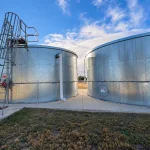
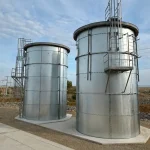
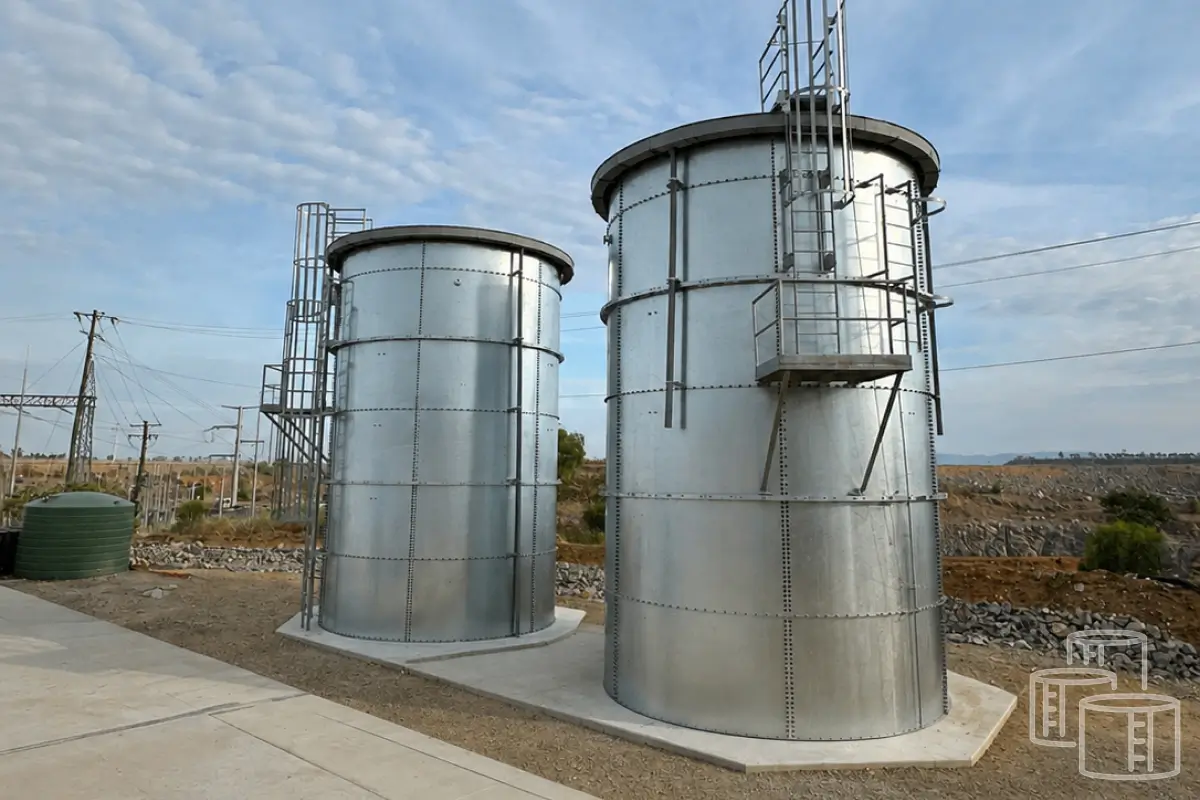
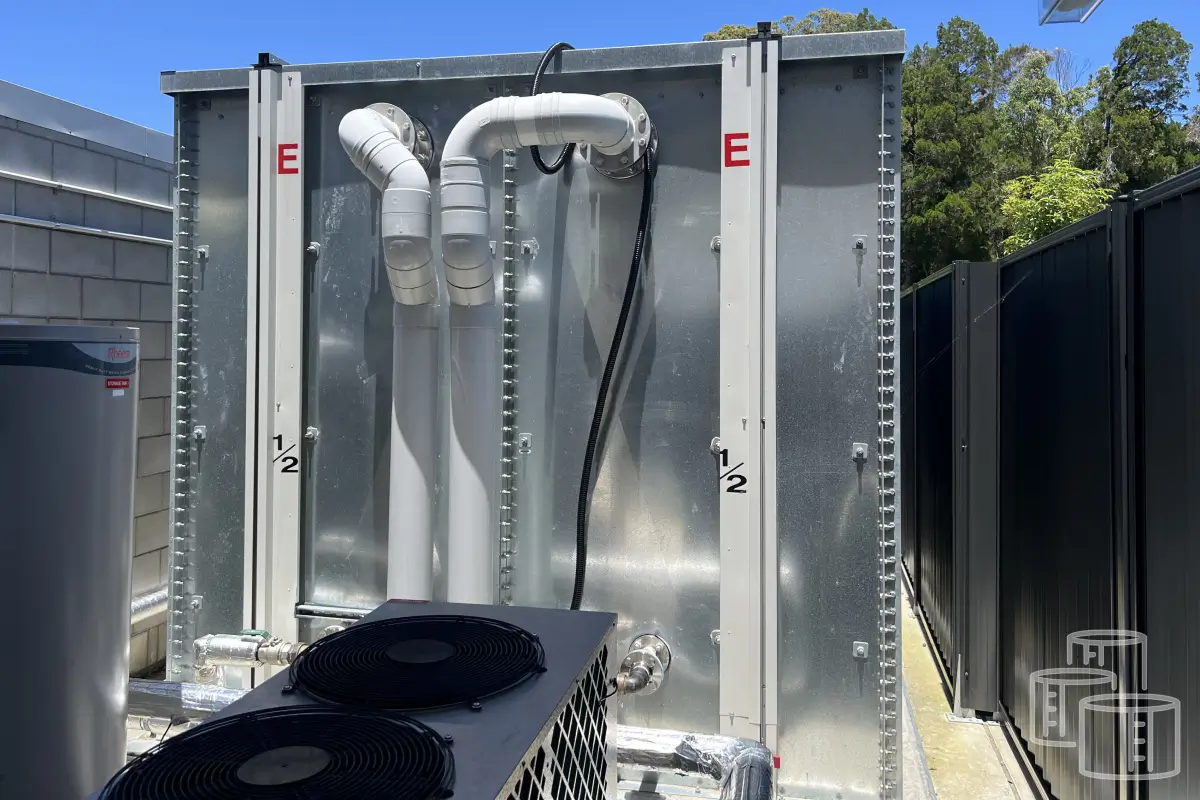
A galvanised steel water tank is made from steel protected by a layer of zinc. The zinc coating helps protect the underlying steel from corrosion.
Galvanised steel can therefore provide a practical material for water storage systems exposed to demanding conditions. Depending on the tank design, galvanised steel tanks can be manufactured using modular steel panels.
These components are transported to the site and assembled into the required tank configuration. Galvanised steel water tanks can be used across commercial, industrial, agricultural, and other water storage projects.
Applications can include:
- Potable water storage
- Rainwater storage
- Fire water storage
- Process water
- Agricultural water
- Commercial water storage
- Industrial water storage
However, the tank specification should always reflect its intended application. Capacity alone does not determine the correct tank.
Explore our galvanised steel water tanks for industrial, commercial, and fire protection water storage applications across Australia.
How Much does a Galvanised Steel Water Tank Cost?
There is no single price for a galvanised steel water tank. A small tank and a large commercial storage system have very different material and installation requirements.
Even tanks with similar capacities can have different final costs.
The total price can depend on:
- Required storage capacity
- Tank diameter and height
- Steel specification
- Tank configuration
- Internal liner requirements
- Roof design
- Connections and fittings
- Access equipment
- Delivery location
- Site access
- Installation requirements
- Engineering requirements
For this reason, buyers should be careful with generic online price comparisons. A meaningful quotation should reflect the actual project requirements.
What Affects Galvanised Steel Water Tank Prices?
Several factors can change the final cost significantly. Understanding them makes it easier to compare quotations on a like-for-like basis.
1. Tank Capacity
Capacity is one of the most obvious cost factors. Larger tanks generally require more materials and additional structural components. However, capacity does not determine price by itself.
Two tanks holding the same volume can have different dimensions and structural requirements. The required footprint may also influence the design. For example, a site with limited space may require a taller tank.
Another project may allow a wider tank with a lower overall height. These differences can affect engineering, materials, foundations, and installation.
2. Tank Dimensions
Tank dimensions affect much more than appearance. Diameter and height influence structural loads and the number of required components.
Site restrictions may also limit available configurations. Project teams should therefore determine both capacity and available space before requesting pricing.
This provides suppliers with better information for developing an appropriate tank configuration.
3. Steel and Galvanising Requirements
Not every steel tank has the same material specification. Steel thickness and structural requirements depend on tank design and expected loads.
The galvanising specification can also affect the system. These requirements should be assessed as part of the complete project specification.
Comparing tanks solely by their capacity can therefore be misleading.
4. Internal Liner Requirements
Some galvanised steel water tanks use an internal liner. The liner separates stored water from the tank structure and provides the containment barrier.
Liner selection depends on the intended application. Potable water, process water, and other stored liquids can have different requirements.
The liner should be compatible with the water and expected operating conditions. Its specification can also influence the overall tank price.
5. Roof and Tank Accessories
A complete tank system includes more than walls and a floor.
Depending on the project, additional components may include:
- Roof systems
- Access hatches
- Ladders
- Platforms
- Level indicators
- Inlets and outlets
- Overflows
- Drain connections
- Vents
- Safety equipment
These components can create meaningful differences between quotations. A lower headline tank price may simply include a smaller supply scope.
6. Site Conditions
Site conditions can affect both tank design and project cost. Structural requirements may depend on local wind and other site-specific conditions. The foundation must also suit the selected tank system.
Access can create additional challenges. Restricted sites may require different lifting, delivery, or assembly arrangements.
These considerations should be identified before the final tank configuration is confirmed.
7. Delivery and Installation
The purchase price of the tank is not necessarily the total project cost. Freight can become significant for projects located far from manufacturing or distribution facilities. Installation requirements also vary.
Project teams should establish exactly what a quotation includes. This avoids comparing a supply-only price with a more complete installed package.
Tank Price vs Total Installed Cost
This distinction is particularly important for commercial projects. A quoted tank price may cover only the tank components.
The total installed cost can include several additional expenses.
For example:
- Freight
- Site preparation
- Foundations
- Tank assembly
- Lifting equipment
- Plumbing connections
- Electrical work
- Testing
- Commissioning
- Access and safety equipment
Not every supplier includes the same items. Before comparing quotes, ask for a clear scope of supply. A higher quotation may actually include considerably more work and equipment.
This makes total project cost more useful than headline tank price alone.
How Long do Galvanised Water Tanks Last?
There is no reliable single lifespan for every galvanised steel water tank. Service life depends on the tank, environment, water conditions, installation, and maintenance. The zinc coating protects the underlying steel from corrosion.
However, its performance can be affected by environmental and operating conditions.
Important factors include:
- Quality and thickness of the galvanised coating
- Water chemistry
- Internal liner condition
- External environment
- Coastal or corrosive exposure
- Installation quality
- Physical damage
- Maintenance frequency
- Tank operating conditions
This is why a fixed lifespan figure can be misleading. Two similar tanks can perform differently when installed in different environments.
Learn how long a galvanised steel water tank can last and which factors influence its service life.
Does Australian Climate Affect Tank Lifespan?
Australia presents a wide range of environmental conditions. A tank installed inland can experience different conditions from one located near the coast. Heat, moisture, salt exposure, and industrial environments can all influence material performance.
Site-specific conditions should therefore be considered during tank selection. External corrosion exposure is particularly important when planning long-term maintenance.
The tank specification should reflect the actual installation environment rather than general assumptions.
Do Galvanised Steel Water Tanks Require Maintenance?
Yes. Galvanised steel reduces corrosion risk, but it does not eliminate the need for inspection and maintenance. Routine checks help identify changes before they become major problems.
Inspection areas can include:
- External steel surfaces
- Internal liner condition
- Roof components
- Fasteners
- Connections
- Sealants
- Ladders and access systems
- Inlets and outlets
- Overflow components
The required maintenance schedule depends on the tank design and application. Owners should follow the manufacturer’s inspection and maintenance recommendations.
Regular maintenance can help identify potential issues early. Learn how to maintain galvanised water tanks and what areas require routine attention.
What Causes Problems in Galvanised Steel Water Tanks?
Tank problems rarely have one universal cause. Corrosion, leaks, or structural issues can develop because of several factors. Possible contributors include environmental exposure, damaged components, ageing liners, or unsuitable water conditions.
Installation quality can also affect long-term performance. This is another reason regular inspections matter. Early identification can make it easier to determine whether maintenance or repair is appropriate.
Ignoring visible deterioration can allow a relatively localised issue to become more extensive.
Can a Galvanised Steel Water Tank be Repaired?
In many situations, repair may be possible. However, the correct approach depends on the type and extent of damage. A leaking connection is very different from significant structural corrosion.
Similarly, a damaged liner requires a different approach from deteriorated steel. Repairs should therefore begin with an assessment of the tank’s condition. The inspection should identify the source of the problem rather than only the visible symptom.
Depending on the findings, work may involve:
- Liner repairs or replacement
- Connection repairs
- Component replacement
- Fastener or seal maintenance
- Treatment of affected steel
- Replacement of damaged tank sections
The appropriate solution depends on the tank system. This is why generic DIY repair instructions are rarely suitable for commercial water tanks.
Should You Repair or Replace an Existing Tank?
An older tank does not automatically need replacement. Likewise, repeated repairs are not always the most economical solution. The decision should consider the overall condition of the system.
Start by looking at:
- Extent of corrosion
- Structural condition
- Liner condition
- Previous repairs
- Frequency of leaks
- Availability of replacement components
- Current storage requirements
- Remaining expected service life
- Cost of ongoing maintenance
Changes in site requirements can also affect the decision. An existing tank may simply be too small for current operations.
In that situation, replacement or additional storage could solve more than a maintenance problem.
Is a Galvanised Steel Water Tank Worth the Cost?
That depends on the project. Galvanised steel offers structural strength together with zinc-based corrosion protection. Modular systems can also provide practical transportation and installation benefits.
However, material selection should never rely on one advantage alone. Project teams should consider the complete storage requirement.
A galvanised steel tank may be appropriate when the project requires:
- Robust above-ground water storage
- Modular construction
- Commercial or industrial capacity
- A steel tank structure
- Flexible tank dimensions
- Replaceable system components
- Long-term maintainability
Other tank technologies may suit different applications. The goal should be to select the system that fits the project’s technical and operational requirements.
What Should You Consider Before Buying a Galvanised Steel Water Tank?
Before requesting a quotation, define the project as clearly as possible. Good information helps suppliers recommend an appropriate tank system.
Define the Required Capacity
Determine how much usable water storage the project requires. Avoid selecting capacity based only on available tank sizes.
Demand, operating requirements, and reserve capacity may all affect the final volume.
Confirm the Water Application
Tell the supplier what the tank will store. Potable water may require different materials and certifications from other applications.
Fire water and process water can also have project-specific requirements.
Review the Available Site
Measure the available footprint and identify height restrictions. Consider access for delivery and installation equipment.
Existing buildings, services, and infrastructure can influence the tank configuration.
Identify Project Standards
Australian projects may need to satisfy specific structural, water quality, building, or fire protection requirements. Applicable requirements vary by project and location.
They should be identified before the tank is ordered.
Consider Future Maintenance
Tank selection should include the years after installation. Ask how the system will be inspected, cleaned, maintained, and repaired.
Consider access to replacement parts and technical support. These factors can influence the real long-term value of the tank.
How to Compare Galvanised Steel Water Tank Quotes
Price is important, but it should not be the only comparison point. Two quotations can describe very different systems.
Before making a decision, compare:
- Tank capacity
- Dimensions
- Material specifications
- Liner specification
- Roof system
- Included fittings
- Access equipment
- Engineering scope
- Freight
- Installation
- Warranty
- Technical support
- Exclusions
Ask suppliers to clarify anything that is not included. This makes it easier to identify genuine cost differences.
It also reduces the risk of unexpected expenses later in the project.
Getting a Galvanised Steel Water Tank Quote in Australia
The most accurate tank price starts with a clear project brief. At minimum, provide the required capacity, application, location, and available installation space. Information about site access and required accessories can improve the quotation further.
For commercial and industrial projects, technical requirements should also be provided where available. This allows the supplier to assess the complete storage requirement.
It also makes quotations more useful for project planning and procurement.
Final Thoughts
The cost of a galvanised steel water tank depends on much more than storage capacity. Materials, dimensions, liners, accessories, delivery, engineering, and installation can all influence the final price. The same applies to service life.
Galvanised steel provides corrosion protection, but tank performance depends on the complete system and operating environment. Regular inspection and appropriate maintenance remain important throughout the tank’s working life. For buyers, the best approach is to compare complete solutions rather than headline prices.
Define the capacity, application, site conditions, standards, and required supply scope first. Then request quotations based on the same project requirements.
This provides a much clearer picture of both initial cost and long-term value.