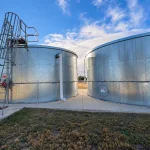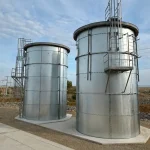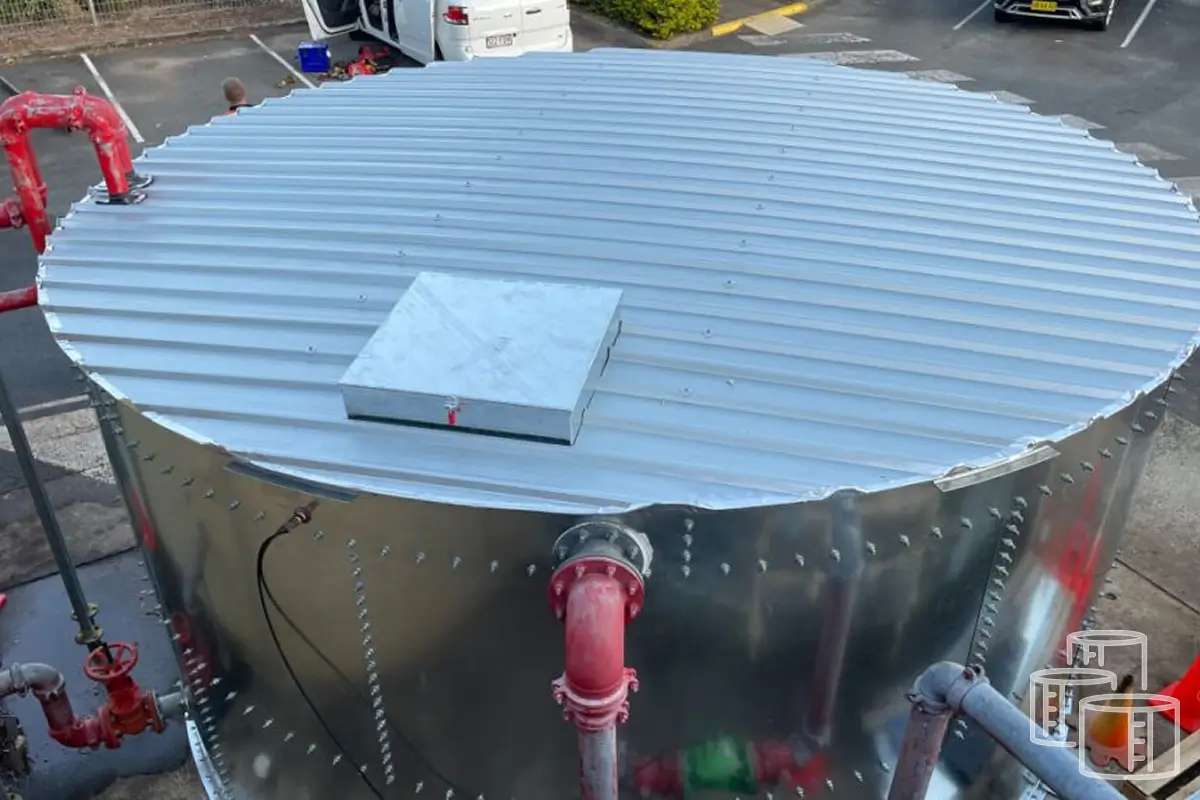
Industrial panel tanks provide flexible and reliable water storage for many commercial and industrial facilities. However, proper planning remains important before installation begins.
Several technical and operational factors can affect tank performance, maintenance requirements, and long-term durability. Careful planning helps businesses select storage systems that match both current and future operational needs.
Many facilities choose industrial panel tanks because modular systems support scalable and adaptable infrastructure solutions.
Understanding Project Requirements
Every industrial facility has different water storage requirements. The first step in any installation project is identifying how the stored water will be used.
Industrial panel tanks may support:
- potable water storage
- process water systems
- fire protection reserves
- cooling systems
- irrigation applications
Operational requirements help determine tank size, material selection, and installation configuration. Facilities should also consider future operational growth during the planning stage.
Selecting the Right Tank Capacity
Tank capacity is one of the most important installation considerations. Undersized tanks may create operational limitations, while oversized systems can increase unnecessary infrastructure costs.
Capacity planning should consider:
- daily water demand
- emergency reserve requirements
- peak operational usage
- future expansion plans
- available installation space
Accurate sizing helps improve long-term storage efficiency and operational reliability.
You can also learn more about scalability in how industrial panel tanks support large-scale water storage.
Choosing Suitable Tank Materials
Industrial panel tanks are available in different materials depending on environmental conditions and operational requirements.
Common material options include:
- GRP
- galvanised steel
- stainless steel
Material selection depends on factors such as:
- water quality
- corrosion exposure
- temperature conditions
- maintenance expectations
- industry regulations
Corrosion-resistant materials may help improve long-term durability and reduce maintenance requirements.
Evaluating Installation Space
Available installation space plays an important role in tank design and configuration. Industrial sites often contain restricted access zones, complex infrastructure layouts, or limited structural space.
Before installation, facilities should assess:
- access routes
- foundation conditions
- structural support
- surrounding infrastructure
- maintenance access requirements
Industrial panel tanks provide flexible installation options because modular systems can adapt to different layouts. This flexibility supports more efficient use of available infrastructure space.
Considering Site Access Limitations
Large preassembled storage tanks can create transportation challenges on industrial sites. Restricted entry points, narrow access roads, or internal infrastructure may complicate installation projects. Industrial tanks help reduce these issues because separate panels are easier to transport and handle.
Modular delivery supports installation in:
- rooftops
- basements
- plant rooms
- confined service areas
- remote industrial locations
Early site assessment helps installation teams avoid logistical delays.
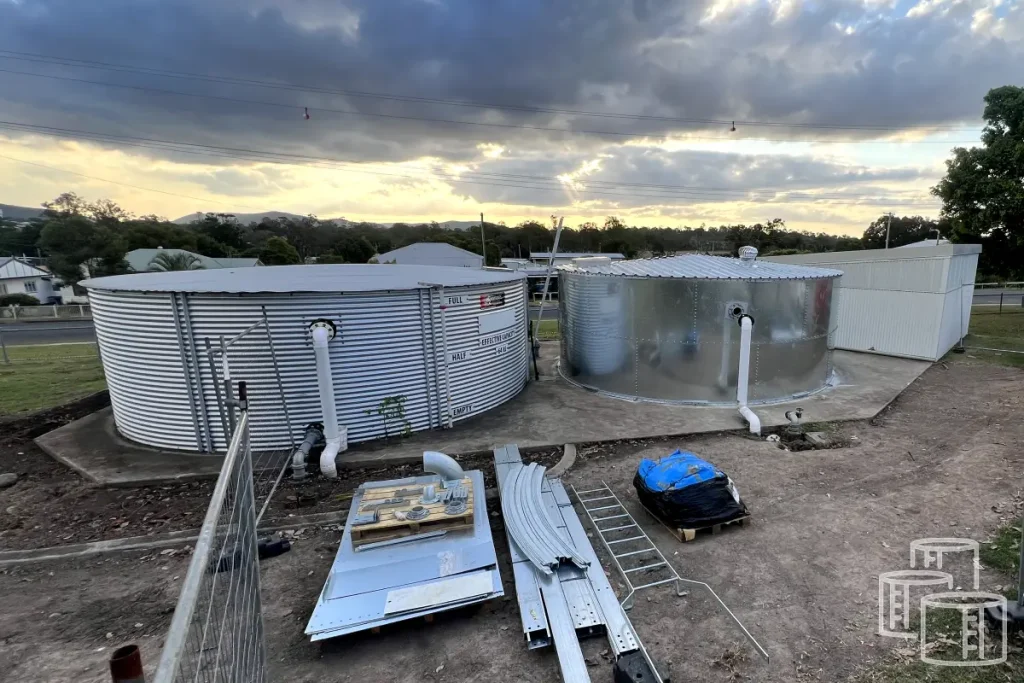
Planning for Future Expansion
Many industrial facilities expand over time. Water storage systems should support changing operational requirements whenever possible. Some industrial tanks can be expanded by adding additional sections.
This flexibility may help businesses:
- reduce future replacement costs
- support phased developments
- improve long-term planning
- adapt to increased water demand
Expandable systems often provide greater infrastructure flexibility for growing operations.
Understanding Maintenance Requirements
Maintenance planning remains important for all industrial water storage systems. Facilities should understand inspection schedules and long-term servicing requirements before installation begins.
Important maintenance considerations include:
- inspection access
- cleaning procedures
- corrosion protection
- sealing condition checks
- structural inspections
Routine maintenance helps improve long-term operational reliability. You can also explore durability advantages in key benefits of industrial panel tanks for industrial facilities.
Considering Environmental Conditions
Environmental exposure may affect tank performance over time. Facilities should evaluate local operating conditions before selecting tank materials and installation configurations.
Important environmental factors include:
- humidity
- UV exposure
- coastal conditions
- temperature variation
- chemical exposure
Proper material selection helps improve durability in demanding industrial environments.
Compliance and Safety Requirements
Industrial storage systems must often comply with industry regulations and safety requirements.
Project teams should confirm that the selected tank system meets applicable standards for:
- potable water storage
- structural performance
- fire protection systems
- workplace safety
- environmental compliance
Compliance planning helps reduce operational risks after installation.
Why Planning Supports Better Installation Outcomes
Careful planning helps businesses select industrial panel tank systems that support reliable long-term performance. Factors such as capacity, installation space, environmental exposure, and future expansion can all affect operational efficiency.
Industrial panel tanks remain popular because modular systems provide flexible installation options and scalable storage solutions. Their adaptable design supports many industrial environments and infrastructure requirements.
As water storage demands continue evolving, proper installation planning helps facilities achieve more efficient and reliable long-term results.