Fire water tanks must perform reliably during emergencies. Regular inspections ensure the system remains safe and operational.
Understanding what is included in a fire water tank inspection helps clarify the process. It also highlights the importance of professional servicing.
Why Understanding Inspection Scope Matters
Many system issues are not visible from the outside. Without proper inspection, problems can go undetected.
Knowing what is included helps ensure nothing is missed. It also supports better planning and system reliability.
A structured inspection improves safety and long-term performance.
Key Components of a Fire Water Tank Inspection
A fire water tank inspection covers several critical areas. Each component ensures the system operates effectively.
1. External Condition Assessment
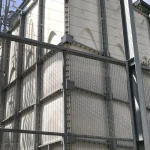
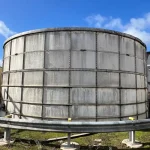
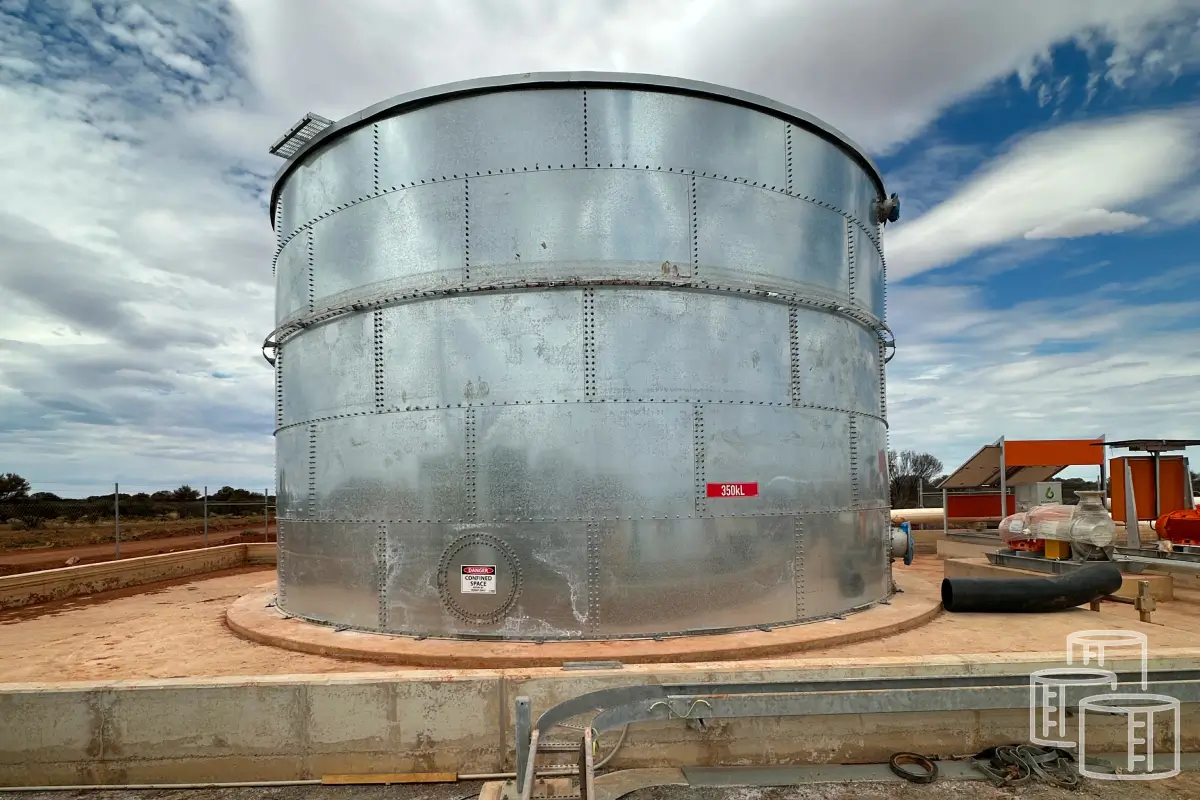
The tank exterior is checked for visible damage. This includes cracks, corrosion, and leaks.
Protective coatings are also inspected. External issues can affect structural integrity.
2. Structural Integrity Inspection
The tank structure must remain stable and secure. Inspectors assess for deformation or deterioration.
Structural weaknesses can lead to system failure. Early detection helps prevent major repairs.
3. Internal Condition Evaluation
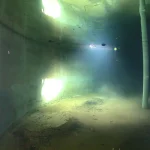
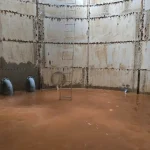
Internal surfaces are inspected for corrosion and buildup. Tank linings must remain intact and functional.
Sediment can affect system performance. Internal checks ensure proper operation.
4. Valves and Fittings Check
All valves and connections are tested for functionality. These components control water flow during emergencies.
Leaks or faults can reduce system effectiveness. Regular checks ensure proper operation.
5. Water Level Verification
Water levels must meet required standards. Insufficient levels can compromise fire protection.
Level indicators are also tested for accuracy. This ensures reliable system readiness.
6. Access Points and Safety Inspection
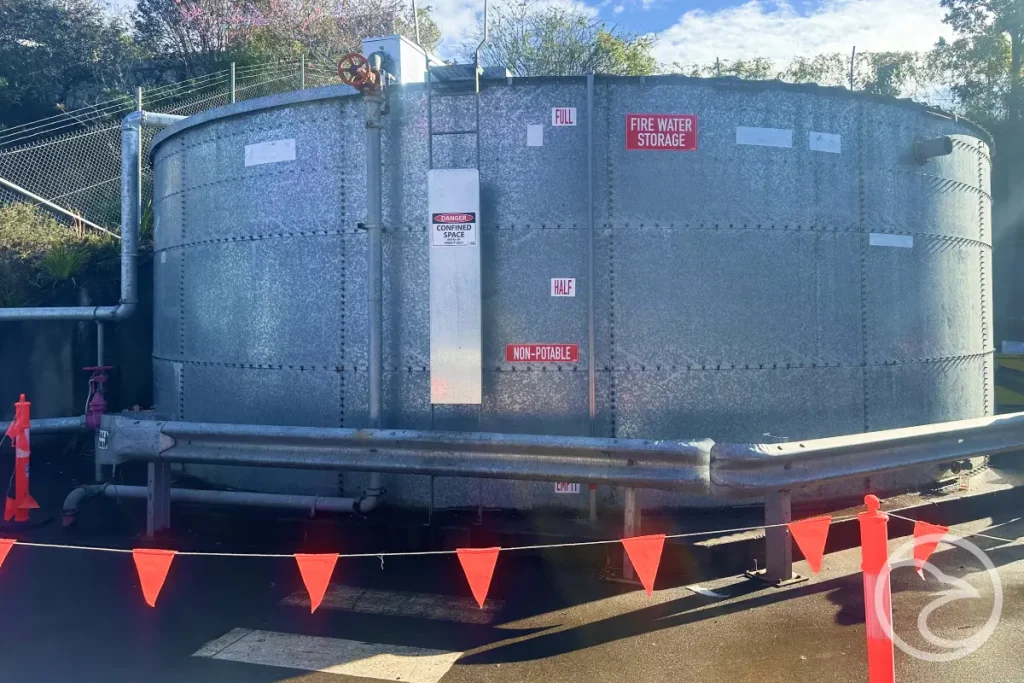
Access hatches, ladders, and platforms are inspected. Safe access is essential for ongoing servicing.
Damaged access points can create safety risks. Regular checks help maintain safe conditions.
7. Surrounding Area Inspection
The area around the tank is assessed for hazards. Debris, vegetation, and obstructions are identified.
A clear environment improves safety and accessibility. It also prevents external damage to the tank.
8. Signs of Corrosion and Wear
Corrosion is one of the most common tank issues. Inspectors look for early signs of deterioration.
Protective coatings are checked for effectiveness. This helps prevent long-term structural damage.
9. System Readiness Check
The overall system is assessed for operational readiness. All components must function correctly during emergencies.
This ensures the tank can deliver water when required. System readiness is critical for safety.
10. Documentation and Reporting
Inspection findings are recorded in detailed reports. This includes observations, issues, and recommended actions.
Accurate documentation supports compliance requirements. It also helps track system condition over time.
How Inspections Support Compliance
Fire tank inspections must meet Australian standards. A structured inspection ensures all requirements are covered. Proper documentation helps demonstrate compliance. It also supports future maintenance planning.
For detailed requirements, see fire water tank inspection requirements Australia.
The Importance of Regular Inspection Schedules
Inspections should be conducted at consistent intervals. This helps identify issues before they become serious. Regular checks improve system reliability and performance. They also reduce the risk of unexpected failures.
To understand timing, see how often should fire water tanks be inspected.
When to Use Professional Inspection Services
Professional inspections ensure all components are thoroughly assessed. Experts follow industry standards and best practices. They can identify hidden issues and recommend solutions. This helps maintain system safety and compliance.
For reliable support, consider professional fire tank inspection services from experienced providers.
Supporting Long-Term System Performance
Comprehensive inspections help maintain system efficiency. They ensure all components are functioning correctly.
Regular servicing reduces risks and extends system lifespan. It also supports consistent fire protection performance.
Final Thoughts
Understanding what is included in a fire water tank inspection is essential. It ensures all critical areas are properly assessed.
Regular inspections improve safety, compliance, and reliability. They also help prevent costly system failures.
A structured inspection approach keeps your system ready at all times.