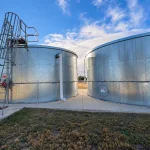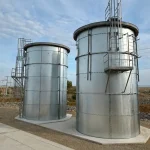
Efficient water storage systems help industrial facilities maintain stable daily operations. Many businesses use industrial panel tanks because they improve storage flexibility, installation efficiency, and long-term operational performance.
Industrial environments often require large water reserves for manufacturing, processing, cooling systems, and fire protection. Storage systems must remain reliable while supporting changing operational demands.
Many facilities choose industrial panel tanks because modular tank systems provide practical and efficient water storage solutions.
Why Water Storage Efficiency Matters
Industrial facilities depend on reliable access to stored water. Poor storage efficiency can increase operational costs, maintenance requirements, and infrastructure limitations.
Efficient storage systems help businesses:
- reduce downtime
- improve space usage
- simplify maintenance
- support future expansion
- maintain stable operations
Modern industrial projects often require storage systems that adapt to both current and future operational needs.
Modular Design Improves Efficiency
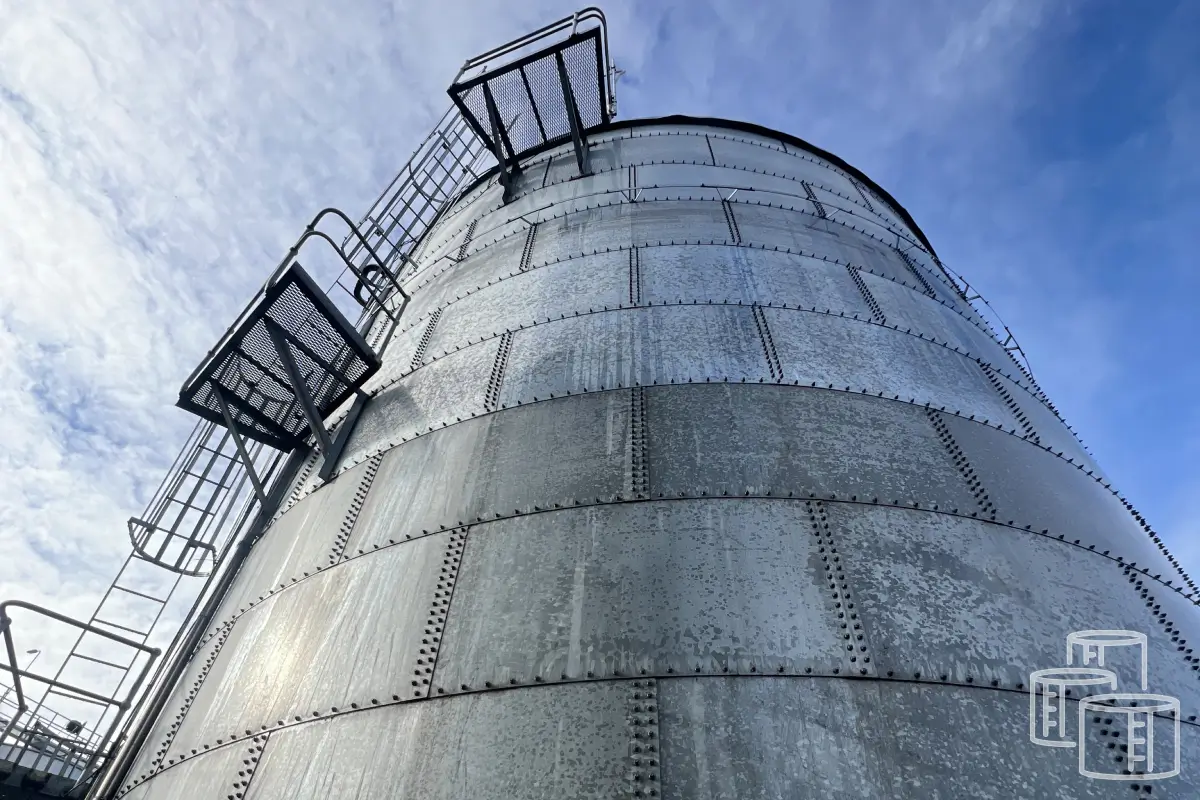
Industrial panel water tanks use modular construction systems. Individual panels are assembled on-site to create the required tank capacity. This design improves efficiency in several ways.
Panel systems simplify transportation because large preassembled tanks are not required. Individual sections are easier to deliver and move through restricted access areas. Modular construction also supports flexible installation layouts.
Tanks can be configured for:
- narrow spaces
- rooftop installations
- plant rooms
- underground service areas
- external infrastructure zones
This flexibility helps facilities use available installation space more effectively.
Better Use of Available Space
Industrial facilities often operate in space-limited environments. Storage systems must integrate with existing infrastructure while minimising disruption.
Industrial panel tanks support efficient space management because they can be customised to suit different site conditions. Compared with some traditional storage systems, panel tanks often provide more adaptable installation options.
Their sectional structure allows efficient use of:
- vertical space
- restricted access areas
- irregular layouts
- compact utility zones
This flexibility becomes especially important in large commercial developments and industrial plants.
You can also explore planning considerations in factors to consider before installing industrial panel tanks.
Scalable Water Storage Capacity
Industrial water demand may increase over time because of operational growth or infrastructure expansion. Industrial panel tanks improve efficiency by supporting scalable storage capacity.
Some systems can be expanded with additional sections when higher storage volumes become necessary. This reduces the need for complete tank replacement during future upgrades.
Scalable storage solutions help businesses:
- improve long-term planning
- reduce future infrastructure costs
- support phased development
- adapt to changing operational requirements
Expandable systems also provide more flexibility for growing industrial facilities.
Faster Installation Process
Installation efficiency directly affects project timelines and operational disruption. Industrial panel tanks are often easier to transport and assemble than large fixed storage systems. Because panels arrive separately, installation teams can organise assembly more efficiently on-site.
This approach may reduce:
- transport complexity
- crane requirements
- installation delays
- site access limitations
Faster installation can help minimise disruption to ongoing industrial operations.
You can learn more about assembly procedures in how industrial panel tanks are installed and assembled.
Lower Long-Term Maintenance Requirements
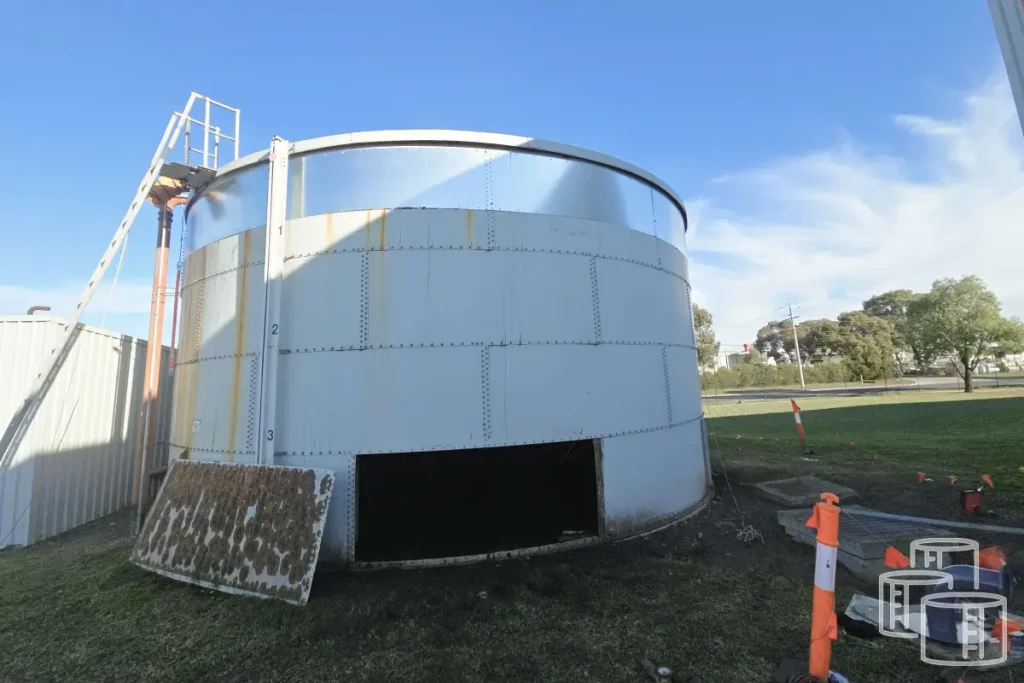
Efficient storage systems should also support manageable maintenance requirements. Many industrial panel tanks are manufactured using corrosion-resistant materials such as GRP or stainless steel. These materials help reduce structural deterioration caused by moisture exposure or environmental conditions.
Lower corrosion risk may improve:
- long-term durability
- inspection efficiency
- operational reliability
- maintenance scheduling
Routine inspections still remain important for all industrial storage systems. However, durable materials can help reduce unexpected repair requirements.
Reliable Support for Industrial Operations
Industrial facilities require stable water storage performance under continuous operating conditions.
Panel tanks support several applications, including:
- potable water storage
- process water systems
- fire protection reserves
- cooling water storage
- irrigation systems
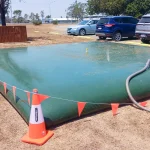
Reliable storage helps businesses maintain operational continuity and reduce infrastructure risks. Many facilities also prefer modular systems because they support both temporary and permanent installations.
Adaptability for Different Industries
Different industries require different storage configurations. Industrial panel tanks improve efficiency because they can adapt to many operational environments.
Common industries using panel tanks include:
- manufacturing
- agriculture
- commercial property
- mining
- infrastructure
- food processing
Customisable designs allow businesses to select storage systems that match operational requirements more accurately. This flexibility supports more efficient infrastructure planning.
Why Panel Tanks Support Efficient Water Storage
Efficient water storage systems help industrial facilities maintain reliable operations while controlling infrastructure costs.
Panel tanks improve efficiency through modular construction, scalable capacity, and flexible installation options. Their adaptable design helps businesses use available space more effectively while supporting future expansion needs.
Many industries also value their durability, transport flexibility, and reduced long-term maintenance requirements. As industrial infrastructure continues evolving, industrial panel tanks remain an effective solution for efficient large-scale water storage.