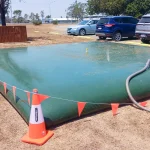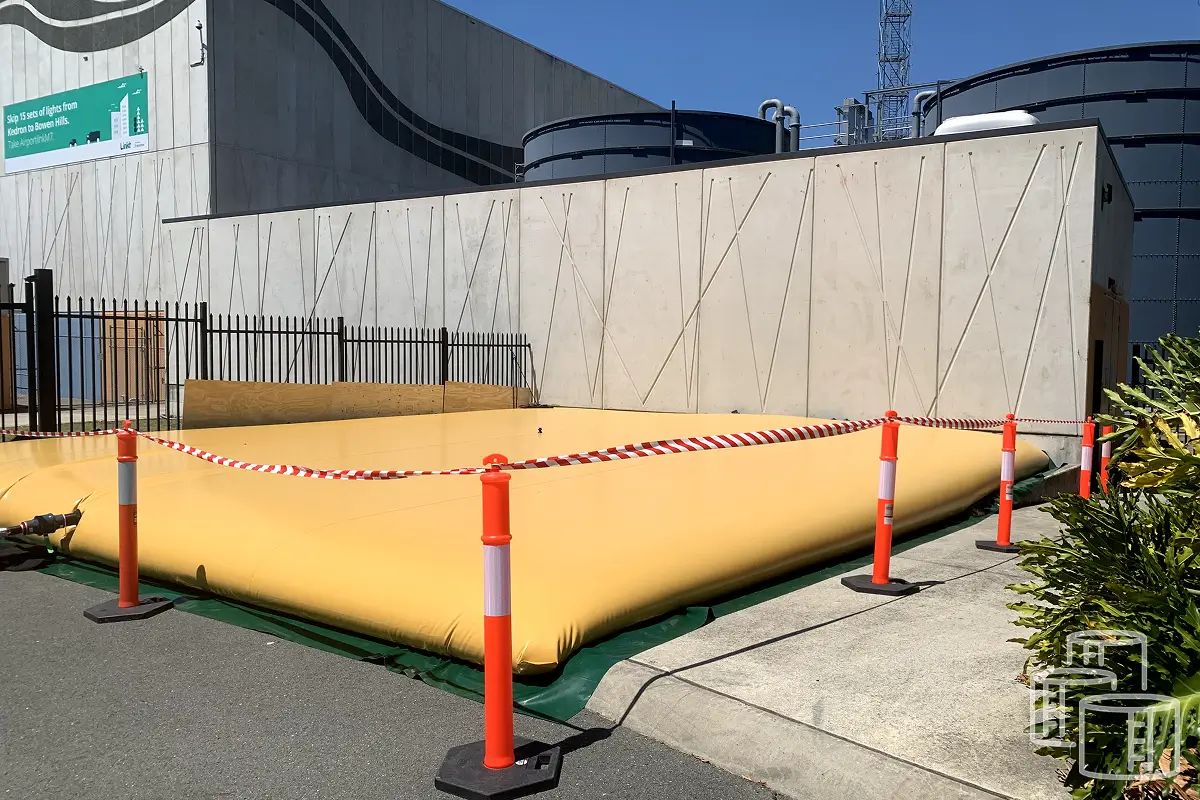
Tank bladders are designed to provide reliable water storage for commercial, industrial, agricultural, and emergency applications. Like any storage system, they can develop problems if they are damaged, incorrectly installed, or poorly maintained.
Most tank bladder failures do not happen suddenly. Small issues, such as worn fittings, surface abrasion, or minor leaks, often develop over time before becoming more serious. Identifying these warning signs early can reduce repair costs and extend the lifespan of the storage system.
Different materials and operating environments also affect how a tank bladder performs. Factors such as UV exposure, sharp ground surfaces, overfilling, and improper handling can all contribute to premature wear or failure.
This guide explains the most common tank bladder problems, what causes them, how to identify early signs of damage, and when repairs are possible. If you’re new to flexible water storage, start with our guide, what is a bladder tank?, to understand how these systems work before exploring common failures.
Why do Tank Bladders Fail?
Tank bladders are engineered to withstand demanding operating conditions, but their performance depends on proper installation, material selection, and regular maintenance. Most failures result from external factors rather than manufacturing defects.
In many cases, problems develop gradually. Small leaks, worn fittings, or surface damage may go unnoticed until they begin affecting the bladder’s performance. Routine inspections help identify these issues before major repairs become necessary.
Environmental conditions also influence the lifespan of a tank bladder. Prolonged UV exposure, extreme temperatures, and contact with abrasive surfaces can accelerate material wear over time.
The Most Common Causes of Tank Bladder Failures Include:
- Poor site preparation
- Damage from sharp objects
- Incorrect installation
- Overfilling the bladder
- UV and weather exposure
- Worn fittings or connections
- Inadequate maintenance
- Using the wrong material
Many of these issues are preventable through proper planning and routine maintenance. Selecting the correct tank bladder for the intended application also helps reduce the risk of premature failure and extends the system’s service life.
The Most Common Tank Bladder Problems
Tank bladders are designed for durability, but no storage system is completely immune to wear or accidental damage. Understanding the most common problems makes it easier to identify issues early and prevent more extensive repairs.
Leaks
Leaks are one of the most common tank bladder problems. They may develop because of punctures, worn fittings, damaged seams, or accidental impact.
Small leaks often appear as damp areas around the bladder or a gradual reduction in water volume. Many minor leaks can be repaired if they are detected before the damage spreads.
Punctures
Punctures usually occur when a tank bladder comes into contact with sharp stones, exposed roots, metal objects, or construction debris. Poor site preparation is one of the leading causes of this type of damage.
Small punctures are often repairable using approved repair materials. Larger tears may require professional assessment or replacement.
Seam Failure
Tank bladder seams experience constant pressure during filling and emptying cycles. Poor manufacturing quality, excessive stress, or material ageing can eventually weaken welded joints.
Early signs include small leaks along the seam or visible separation of the welded area. Minor seam damage may be repaired, while extensive failures often require bladder replacement.
UV Damage
Long-term exposure to sunlight gradually weakens many flexible materials. UV damage may cause fading, surface cracking, or reduced flexibility.
Using UV-resistant materials and following manufacturer recommendations helps minimise long-term deterioration.
Abrasion Damage
Continuous friction against rough surfaces can wear through the outer material over time. This problem commonly develops when the bladder is installed on uneven ground without adequate protection.
Abrasion is usually visible during routine inspections. A protective underlay significantly reduces the risk of this type of damage.
Fitting and Connection Failures
Inlet and outlet fittings experience repeated pressure during operation. Loose connections, damaged seals, or ageing components may eventually cause leaks around these areas.
Many fitting-related problems can be resolved by replacing seals, tightening connections, or installing new fittings without replacing the entire tank bladder.
Material Ageing
Even high-quality materials gradually lose flexibility after years of continuous use and environmental exposure. This natural ageing process increases the likelihood of cracks, leaks, and structural weakness.
Once the material reaches the end of its service life, replacement is usually a more reliable and cost-effective solution than repeated repairs.
Common Problems by Tank Bladder Material
Different bladder tanks materials offer different levels of durability, flexibility, and environmental resistance. Understanding their strengths and limitations helps you choose the right solution and reduce the risk of premature failure.
PVC Tank Bladders
Reinforced PVC is one of the most widely used materials for flexible water storage. It provides an excellent balance of strength, flexibility, and affordability.
Common problems include prolonged UV exposure, punctures caused by sharp objects, and abrasion from rough installation surfaces. Most small punctures and fitting leaks can be repaired, while severe UV degradation usually requires replacement.
TPU Tank Bladders
Thermoplastic polyurethane (TPU) offers excellent flexibility and high resistance to abrasion. It is often selected for demanding commercial and industrial applications.
Although TPU is highly durable, it can still be damaged by incorrect installation, excessive mechanical stress, or exposure to incompatible chemicals. Minor punctures may be repairable depending on their size and location.
Rubber Tank Bladders
Rubber tank bladders perform well in applications requiring flexibility across varying temperatures. They are also resistant to repeated filling and emptying cycles.
Over time, rubber materials may harden, lose elasticity, or develop surface cracks because of ageing and environmental exposure. Once significant deterioration occurs, replacement is generally recommended.
Choosing the Right Material
No single material is suitable for every application. The best choice depends on the stored liquid, operating conditions, expected service life, and maintenance requirements.
Selecting the correct material from the beginning helps reduce repairs, improve reliability, and extend the lifespan of your tank bladder system.
How to Identify Early Signs of Tank Bladder Failure
Most tank bladder failures begin as small defects that become more serious over time. Regular inspections help identify these issues early and reduce the likelihood of unexpected repairs or water loss.
Visual inspections should be carried out throughout the service life of the tank bladder. Checking the bladder after extreme weather, heavy use, or relocation is also recommended.
Look for visible damage
Inspect the entire surface for cuts, punctures, abrasions, or discolouration. Surface damage may indicate that the bladder has been exposed to excessive wear or unsuitable site conditions.
Check for water leaks
Wet areas around the bladder, damp ground, or unexplained water loss often indicate a leak. Even small leaks should be investigated before they become largWatch for unusual deformation
A properly installed tank bladder expands evenly during filling. Bulging, twisting, or uneven shapes may indicate incorrect installation or internal pressure issues.
Monitor water levels
A noticeable drop in stored water without normal usage may suggest a slow leak. Monitoring water levels helps identify problems that are not immediately visible.
Check the installation area
Inspect the ground beneath and around the bladder for sharp objects, standing water, or erosion. Changes to the installation surface can increase the risk of abrasion and punctures.
Routine inspections require little time but can significantly extend the lifespan of a tank bladder. Identifying problems early often allows minor repairs before major damage occurs.er problems.
Inspect seams and fittings
Examine welded seams, inlet connections, outlet fittings, and valves for signs of wear or separation. These areas experience regular pressure and are common locations for leaks.
Which Tank Bladder Problems can be Repaired?
Not every tank bladder problem requires a complete replacement. Many minor defects can be repaired if they are identified early and the surrounding material remains in good condition.
The decision to repair or replace depends on the type of damage, its location, and the overall condition of the bladder. Professional inspection is often the best way to determine the most practical solution.
| Problem | Can It Be Repaired? |
|---|---|
| Small punctures | Yes |
| Minor leaks | Yes |
| Damaged fittings | Yes |
| Worn seals | Yes |
| Small seam damage | Sometimes |
| Abrasion damage | Sometimes |
| Major tears | Usually No |
| Severe seam failure | Usually No |
| UV degradation | No |
| Material ageing | No |
Problems that are Usually Repairable
Small punctures, fitting leaks, and damaged seals are often repaired using approved materials or replacement components. Early repairs help prevent water loss and further structural damage.
Problems that may Require Assessment
Abrasion damage and seam defects should be carefully inspected before repairs begin. If the surrounding material remains strong, repair may be a practical option.
Problems that Usually Require Replacement
Extensive UV damage, severe material ageing, or large structural tears often affect the overall integrity of the bladder. In these situations, replacing the tank bladder is generally safer and more cost-effective than repeated repairs.
Repairing damage promptly helps maximise service life and reduce long-term maintenance costs. Delaying repairs can allow minor defects to develop into major failures that are more difficult to resolve.
How to Prevent Tank Bladder Problems
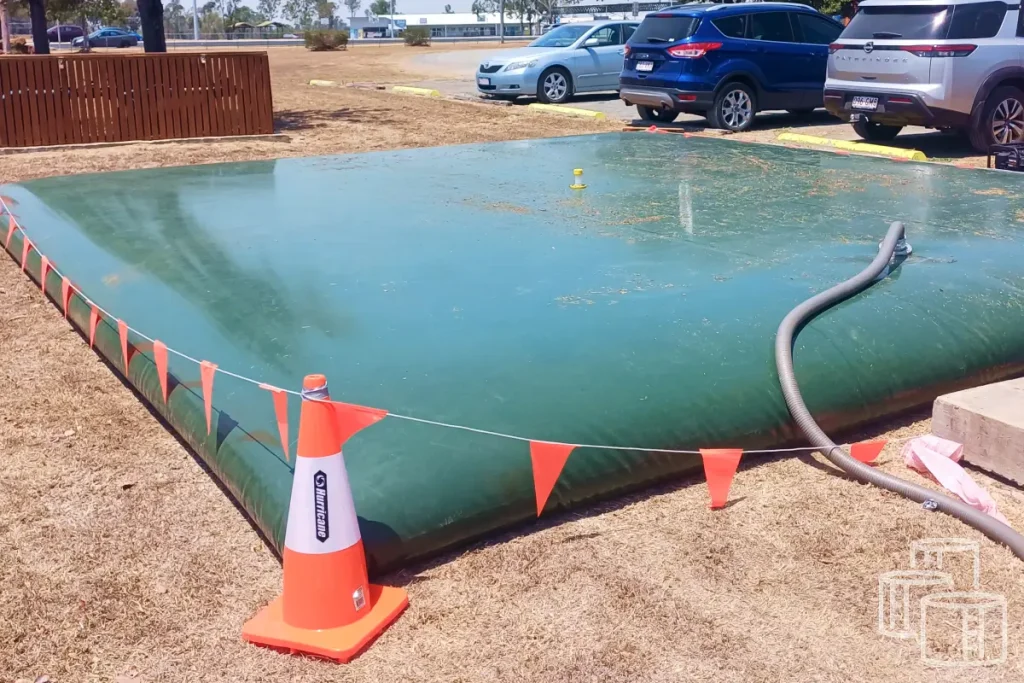
Most tank bladder failures can be prevented with proper planning, installation, and routine maintenance. Taking a few simple precautions helps reduce the risk of damage and extends the service life of the storage system.
Preparing the installation site is one of the most important steps. The surface should be level, stable, and free from sharp stones, metal objects, and other debris that could damage the bladder.
Selecting the correct material also improves long-term performance. Different applications may require different levels of UV resistance, abrasion protection, or chemical compatibility.
Best Practices for Preventing Tank Bladder Failures Include:
- Prepare a clean, level foundation
- Install a protective groundsheet
- Avoid overfilling the bladder
- Inspect fittings and valves regularly
- Remove sharp objects from the area
- Follow the recommended filling capacity
- Clean the bladder when required
- Schedule routine inspections
Regular inspections allow small issues to be corrected before they become major problems. Checking the bladder after storms, heavy use, or relocation is especially important.
Using the tank bladder as intended also reduces unnecessary wear. Storing incompatible liquids, exceeding the recommended capacity, or dragging the bladder during relocation can significantly shorten its lifespan.
Preventive maintenance is usually far less expensive than repairing or replacing a damaged tank bladder. A well-maintained system provides more reliable performance and lower operating costs over time.
Tank Bladder Inspection Checklist
Regular inspections help maintain the performance and reliability of a tank bladder. A simple checklist makes it easier to identify potential issues before they develop into costly repairs.
The inspection frequency depends on the operating environment and how often the bladder is used. Commercial and industrial systems generally benefit from more frequent inspections.
During Each Inspection, Check the Following:
- Bladder surface for cuts or punctures
- Welded seams for signs of separation
- Inlet and outlet fittings for leaks
- Valves and seals for wear
- Ground surface beneath the bladder
- Water level for unexpected loss
- Signs of UV damage or discolouration
- Abrasion around contact points
- Standing water near the installation
- Overall bladder shape during operation
Recording inspection results helps identify recurring issues and monitor the condition of the storage system over time. This information also supports maintenance planning and future replacement decisions.
Routine inspections take only a short time but can significantly reduce the risk of unexpected failures. Consistent monitoring helps maximise the lifespan of the tank bladder while maintaining safe and reliable water storage.
Should You Repair or Replace a Tank Bladder?
The decision to repair or replace a tank bladder depends on the extent of the damage, the age of the bladder, and the expected service life. While many minor problems can be repaired, severe structural damage often makes replacement the more practical option.
Small punctures, leaking fittings, and damaged seals are usually inexpensive to repair. Addressing these issues early can significantly extend the lifespan of the storage system.
However, repeated repairs may become less cost-effective as the bladder ages. If the material has lost flexibility or multiple defects appear, replacing the bladder may provide better long-term value.
Repair is Usually the Best Option when:
- Damage is minor and localised
- The bladder is in good condition
- Fittings or seals require replacement
- Repairs restore full performance
- The expected service life remains high
Replacement is often Recommended when:
- The material has significantly aged
- Large tears or seam failures occur
- UV damage affects the entire surface
- Multiple repairs are already present
- Repair costs approach replacement costs
Replacing a worn tank bladder can reduce future maintenance costs and improve system reliability. A professional inspection helps determine whether repair or replacement offers the best long-term solution for your application.
If replacement is the better option, explore our range of tank bladders designed for reliable long-term water storage.
Conclusion
Most tank bladder problems can be prevented through proper installation, routine inspections, and regular maintenance. Identifying damage early also increases the likelihood of successful repairs while extending the service life of the storage system.
Understanding the common causes of tank bladder failures helps businesses make informed decisions about maintenance, repairs, and replacement. Choosing the right material and following recommended operating practices also improves long-term performance and reliability.