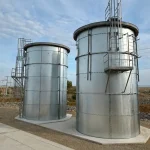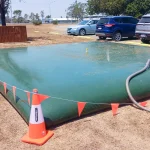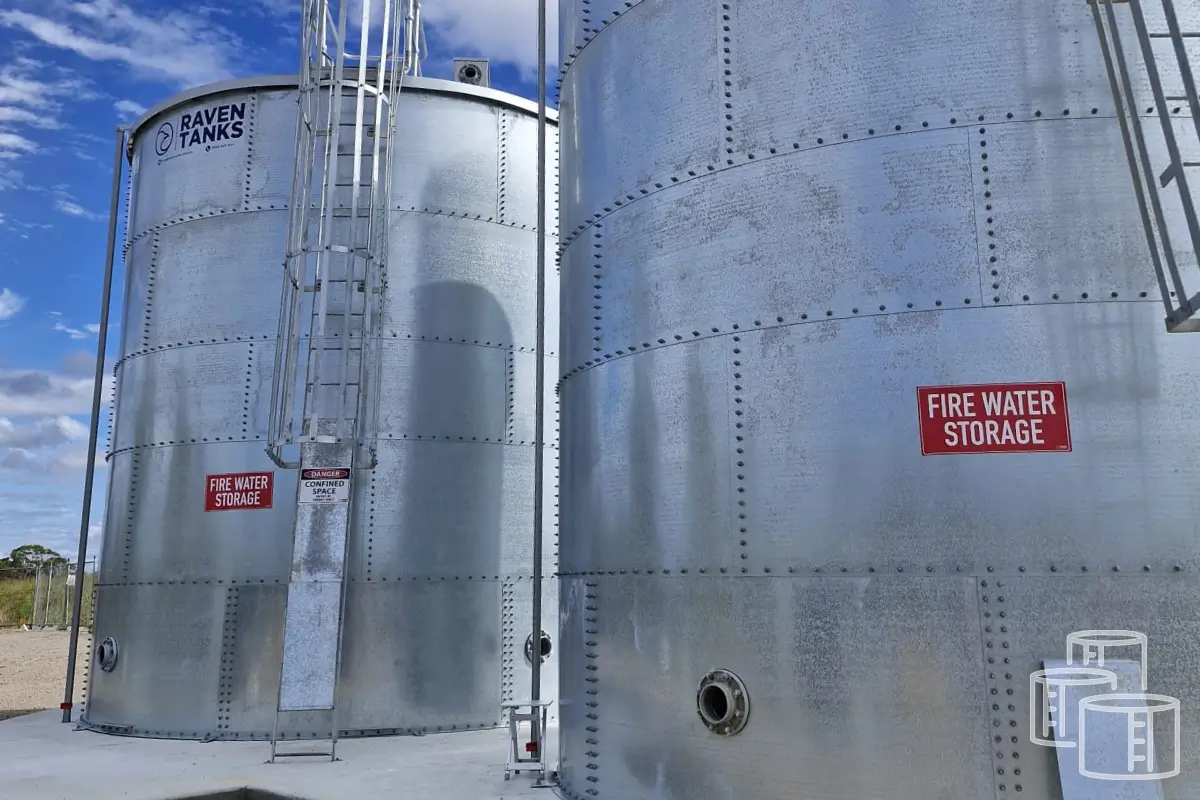
Fire water tanks play a critical role in fire protection systems. They must remain fully operational at all times. In Australia, maintenance is not just recommended. It is required to meet safety and compliance standards.
Understanding maintenance requirements helps ensure system reliability. It also reduces risks during emergencies.
Why Maintenance Compliance Matters
Fire systems must perform without failure in critical situations. Any issue can compromise safety and response effectiveness.
Maintenance requirements ensure systems remain reliable and functional. They also help identify problems before they become serious.
Failure to meet requirements can lead to penalties and risks. It may also result in system failure during emergencies.
Overview of Australian Standards
Fire water tank maintenance in Australia is guided by established standards. These standards outline routine servicing requirements.
They focus on system performance, reliability, and safety. Regular maintenance is a key part of compliance.
Following these standards ensures the system remains ready for use. It also supports long-term operational performance.
Key Fire Water Tank Maintenance Requirements
Maintenance requirements cover several important areas. Each one helps ensure system reliability and compliance.
1. Routine Inspections and Monitoring
Regular checks are required to identify potential issues early. This includes monitoring tank condition and system performance.
Consistent inspections help maintain system readiness. They also prevent unexpected failures.
2. Cleaning and Sediment Removal
Sediment buildup is a common issue in water tanks. It can affect flow and system efficiency.
Regular cleaning helps maintain water quality and performance. It also prevents damage to internal components.
3. Structural Integrity Checks
The tank structure must remain strong and stable. Damage can lead to leaks or system failure.
Regular checks help detect corrosion or wear. Early repairs prevent major structural issues.
4. Component Maintenance
Valves, pipes, and fittings must function correctly. Faulty components can affect water delivery during emergencies.
Maintenance ensures all parts operate as expected. It also reduces the risk of system failure.
5. Record Keeping and Documentation
Accurate records are essential for compliance. They provide proof of maintenance activities.
Documentation helps track system condition over time. It also supports future maintenance planning.
Risks of Non-Compliance
Ignoring maintenance requirements can lead to serious consequences. System reliability may be compromised. Non-compliance can result in penalties or operational restrictions. It also increases the risk of system failure.
In emergency situations, failure is not an option. Proper maintenance reduces these risks significantly.
How to Stay Compliant
Maintaining compliance requires a structured approach. Regular schedules help ensure all tasks are completed.
Using a checklist improves consistency and accountability. It ensures no critical steps are missed. For a structured approach, see our fire water tank maintenance checklist.
The Role of Professional Services
Professional services ensure maintenance meets required standards. They have the expertise to perform detailed assessments.
Experts can identify issues that may not be visible. They also ensure compliance with Australian requirements.
For reliable support, consider fire tank maintenance from experienced providers.
Supporting Long-Term System Performance
Compliance is not just about meeting requirements. It also supports long-term system reliability.
Regular maintenance prevents damage and extends lifespan. It ensures the system performs when needed. For practical guidance, see our article on how to maintain a fire water tank.
Final Thoughts
Fire water tank maintenance requirements in Australia are essential. They ensure safety, compliance, and system reliability.
Following these requirements reduces risks and prevents failures. It also supports long-term performance and efficiency.
A proactive approach helps keep your system ready at all times. This is critical for effective fire protection.