Fire water tanks must remain clean and fully operational at all times. Any contamination or buildup can affect system performance.
Regular cleaning plays a key role in maintaining reliability. It also helps ensure the system works during emergencies.
Understanding how often a fire water tank should be cleaned helps prevent failures and costly repairs.
Why Regular Cleaning is Important
Over time, tanks accumulate sediment, debris, and contaminants. This buildup can reduce water quality and system efficiency. Sediment may block outlets and damage internal components. Contamination can also affect overall system performance.
Regular cleaning helps maintain proper operation. It ensures water flow remains consistent and reliable.
How Often Should a Fire Tank be Cleaned?
Cleaning frequency depends on several factors. There is no single schedule that fits all systems.
However, most fire water tanks require periodic cleaning. This helps prevent buildup and maintain efficiency. High-use systems may require more frequent cleaning. Environmental conditions also play an important role.
Dust, debris, and surrounding activity can increase contamination. Regular monitoring helps determine the right cleaning schedule.
Factors that Affect Cleaning Frequency
Several factors influence how often a tank should be cleaned. Understanding these factors helps create an effective maintenance plan.
1. Environmental Conditions
Tanks located in dusty or exposed areas collect debris faster. This increases the need for more frequent cleaning.
2. Water Quality
Poor water quality can lead to faster sediment buildup. This may require more regular maintenance.
3. Tank Usage
High-demand systems cycle water more frequently. This can impact contamination levels inside the tank.
4. Tank Design and Material
Different materials react differently to wear and buildup. Some tanks may require more frequent cleaning than others.
Signs Your Tank Needs Cleaning
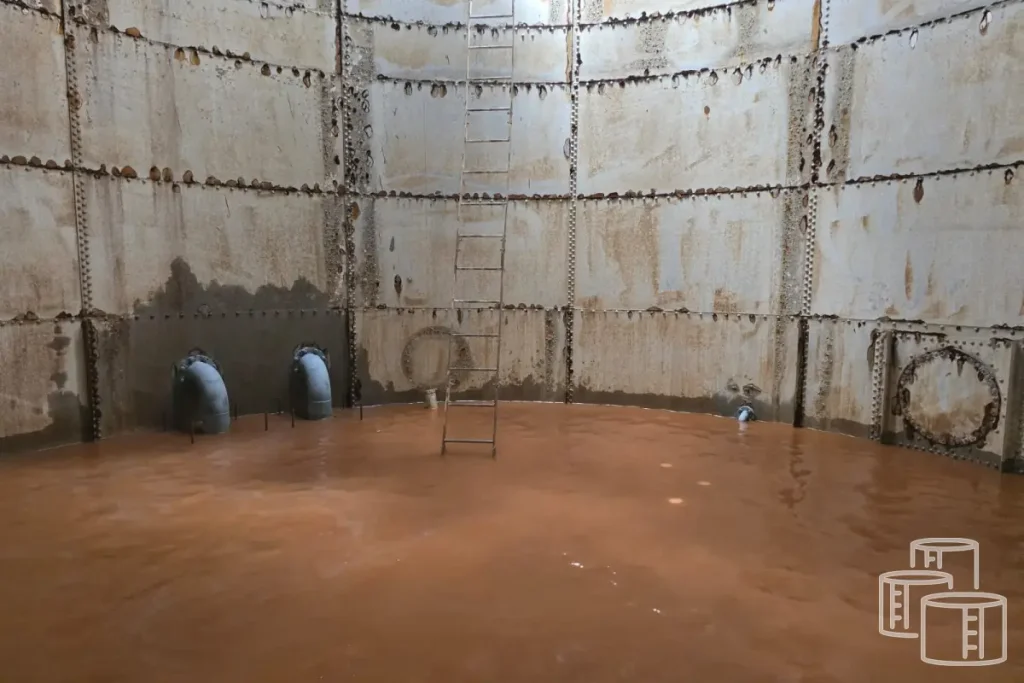
Certain signs indicate that cleaning is required. Ignoring these signs can lead to system issues. Discoloured water may indicate contamination. Sediment buildup can often be seen during checks.
Reduced water flow may signal blockages. Unusual smells can also indicate poor water quality.
Risks of Delayed Cleaning
Delaying cleaning can lead to serious problems. Sediment buildup can damage internal components. Blocked outlets may affect water delivery. This can reduce system effectiveness during emergencies.
Poor maintenance increases the risk of system failure. It can also lead to higher repair costs.
The Role of Preventative Maintenance
Cleaning should be part of a regular maintenance routine. A proactive approach helps avoid unexpected issues. Using a checklist improves consistency and efficiency. See our fire water tank maintenance checklist for guidance.
Regular upkeep also supports long-term system performance. It ensures the tank remains ready for use.
Professional Cleaning Services
Professional cleaning ensures the job is done safely and effectively. Experts use proper equipment and follow best practices.
They can also identify hidden issues during cleaning. This helps prevent future problems.
For reliable support, consider fire tank maintenance from experienced providers.
Supporting Long-Term System Reliability
Consistent cleaning helps maintain system efficiency. It reduces wear and prevents damage over time.
A clean tank ensures proper water flow during emergencies. It also supports compliance and operational safety.
For a complete approach, read how to maintain a fire water tank.
Final Thoughts
Understanding how often a fire water tank should be cleaned is essential. It helps maintain system performance and reliability.
Regular cleaning prevents buildup and reduces risks. It also ensures the system works when it matters most.
A proactive maintenance approach protects both systems and assets.