Water storage systems are used across many industries, from commercial buildings to infrastructure projects. Choosing the right tank material is an important decision that affects durability, maintenance, and long-term performance.
Among the most common options are GRP panel tanks, steel tanks, and concrete tanks. When comparing GRP vs steel vs concrete water tanks, each option has its own strengths and limitations depending on the application.
This guide explains the key differences to help you understand how these systems compare.
What are GRP Panel Tanks?
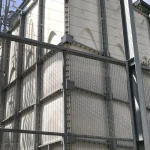
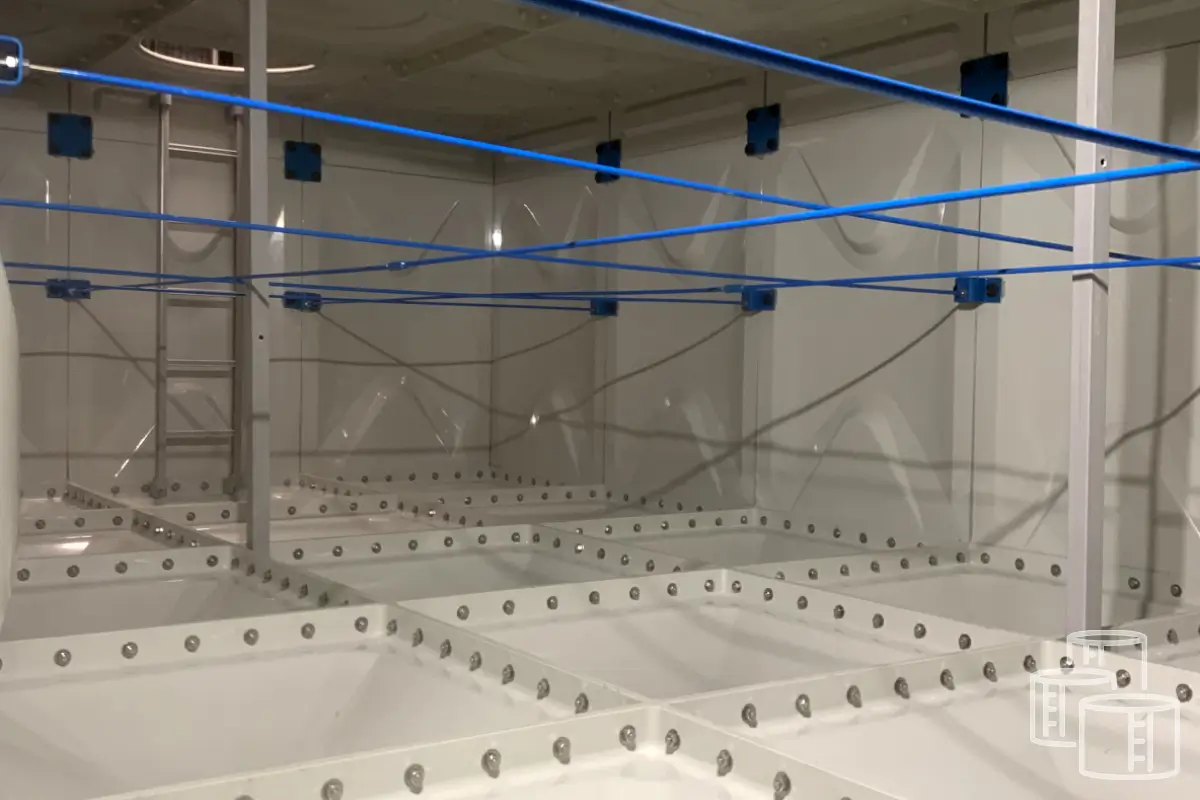
GRP (Glass Reinforced Plastic) panel tanks are modular water storage systems made from reinforced composite panels. These panels are assembled on-site to create tanks of different shapes and capacities.
Unlike traditional materials, GRP does not corrode and is designed for long-term use in demanding environments. The modular structure also allows flexibility in transport and installation.
Overview of Steel and Concrete Tanks
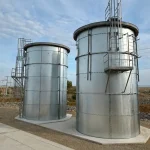
Steel tanks are widely used due to their strength and availability. They can be manufactured in different sizes and are often installed as prefabricated units.
Concrete tanks are typically built on-site and are known for their structural stability. They are commonly used for large-scale or underground storage.
Both materials have been used for decades, but they come with certain limitations when compared to newer solutions.
Durability and Corrosion Resistance
One of the biggest differences between these materials is how they handle corrosion. Steel tanks are prone to rust over time, especially in humid or coastal environments. Protective coatings can slow this process, but regular maintenance is required.
Concrete tanks do not rust, but they can develop cracks due to ground movement or temperature changes. Over time, these cracks may lead to leaks or structural issues.
GRP panel tanks are naturally resistant to corrosion. They do not rust or degrade in the same way as steel, making them suitable for long-term use in harsh conditions.
Installation and Transport
Installation methods vary significantly between these tank types. Steel tanks are often delivered as large pre-assembled units. This can make transport difficult, especially for remote or restricted-access sites.
Concrete tanks usually require on-site construction. This process can be time-consuming and dependent on weather conditions.
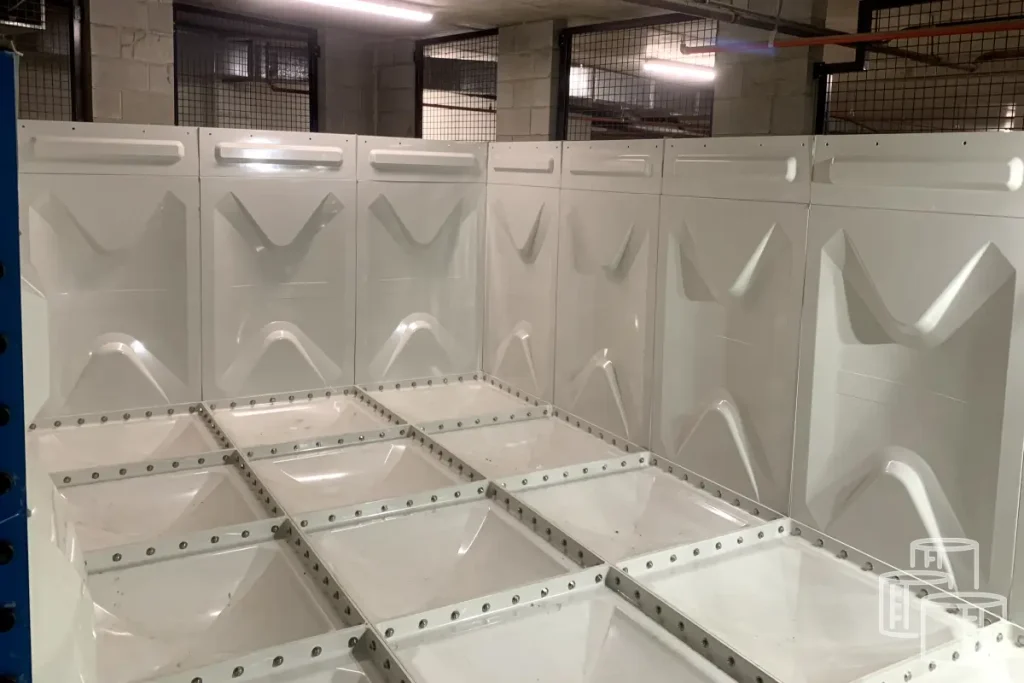
GRP panel tanks are delivered in sections and assembled on-site. This modular approach makes them easier to transport and install in locations where access is limited.
Flexibility and Design Options
Flexibility is another key factor when comparing tank systems. Concrete tanks are typically fixed in size once constructed. Modifications or expansions can be complex and costly.
Steel tanks offer some flexibility but are still limited by manufacturing and transport constraints. GRP panel tanks are highly adaptable. Their modular design allows for easy resizing, expansion, or reconfiguration if project requirements change.
This makes them suitable for projects where future capacity may need to increase.
Maintenance Requirements
Maintenance plays a major role in long-term cost and performance. When comparing GRP vs steel vs concrete water tanks, maintenance requirements can vary significantly.
Steel tanks require regular inspections to monitor corrosion and coating condition. Over time, repainting or repairs may be necessary.
Concrete tanks may need sealing or crack repairs to maintain structural integrity. These issues can develop gradually and may not always be visible at first.
GRP panel tanks generally require less maintenance. Their corrosion-resistant properties reduce the need for frequent repairs, and inspections are typically straightforward.
Weight and Structural Considerations
Weight is an important factor, especially for elevated or rooftop installations. Concrete tanks are extremely heavy and require strong foundations. This can increase construction complexity and cost.
Steel tanks are lighter than concrete but still require structural support depending on size.
GRP panel tanks are significantly lighter than both materials. This makes them easier to install on rooftops or structures with load limitations.
Performance in Harsh Environments
Environmental conditions can have a major impact on tank performance.
Steel tanks may struggle in coastal areas due to salt exposure. Concrete tanks can be affected by temperature fluctuations and ground movement.
GRP panel tanks are designed to perform in a wide range of conditions. They are resistant to corrosion, UV exposure, and many environmental factors.
This makes them suitable for both urban and remote locations.
Choosing the Right Tank for Your Needs
Each tank type has its place depending on the application. Concrete tanks may be suitable for large, permanent installations. Steel tanks can work well in controlled environments with regular maintenance.
GRP panel tanks offer a balance of durability, flexibility, and low maintenance. They are often chosen for projects where long-term reliability and adaptability are important.
For a broader understanding of modern modular systems, you can explore how grp water tanks are used in different applications and environments.
Final Thoughts
Selecting the right water storage solution depends on multiple factors, including location, budget, and long-term requirements. While steel and concrete tanks have been widely used, newer materials like GRP provide additional advantages in flexibility and durability.
Understanding these differences can help in choosing a system that performs reliably over time with minimal maintenance.