Water storage solutions have evolved significantly over the years, with different materials offering unique advantages depending on the application. One of the most commonly used options in industrial and commercial settings is the HDG steel water tank. Known for its strength and corrosion resistance, this type of tank is widely used for storing potable and non-potable water.
In this article, we’ll explain what an HDG steel water tank is, how it is constructed, and why it is chosen for various water storage applications.
What Does HDG Mean?
HDG stands for hot-dip galvanized, a process used to protect steel from corrosion. During this process, steel components are submerged in molten zinc, creating a protective coating that prevents rust and extends the lifespan of the material.
This zinc layer acts as a barrier between the steel and environmental elements such as moisture, oxygen, and chemicals. As a result, galvanized steel is much more resistant to corrosion than untreated steel.
What is an HDG Steel Water Tank?
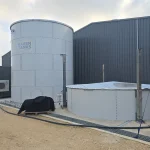
An HDG steel water tank is a storage system made from steel panels or sections that have been treated using the hot-dip galvanizing process. These tanks are designed to store large volumes of water safely and efficiently.
They are commonly used in:
- Industrial facilities
- Commercial buildings
- Agricultural operations
- Fire protection systems
The modular nature of many HDG tanks allows them to be assembled on-site, making them suitable for both new installations and retrofitting projects.
Structure and Design of HDG Steel Tanks
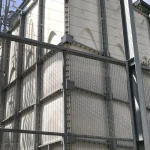
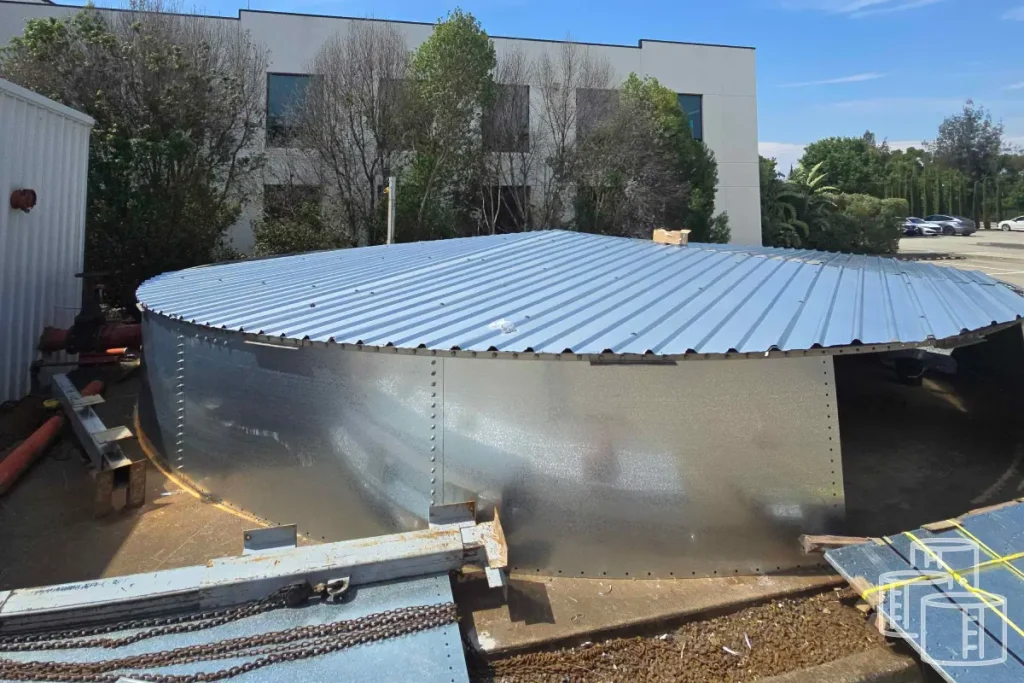
HDG tanks are typically constructed using a panel or sectional design. This means the tank is made up of individual steel panels that are bolted together to form the final structure.
Key structural elements include:
- Galvanized steel panels for walls and base
- Internal supports or reinforcements for added strength
- Sealing materials to ensure water tightness
- Access hatches and inspection points for maintenance
This design allows for flexibility in size and shape, depending on the required storage capacity.
How the Galvanization Process Improves Durability
The hot-dip galvanizing process plays a crucial role in the durability of these tanks.
Some of its key benefits include:
- Corrosion resistance – the zinc coating protects the steel from rust
- Longer lifespan – reduced degradation over time
- Low maintenance – less need for frequent repairs or coatings
- Uniform protection – all surfaces, including edges and joints, are covered
This is why hdg steel water tanks are often used in environments where exposure to moisture or harsh conditions is unavoidable.
Common Applications of HDG Steel Water Tanks
HDG tanks are used across multiple industries due to their durability and adaptability.
1. Industrial Water Storage
Factories and processing plants require large and reliable water storage systems. HDG tanks provide the strength needed to handle high-volume usage.
2. Fire Protection Systems
Many buildings rely on dedicated water tanks for fire safety. HDG tanks are commonly used because of their durability and ability to maintain structural integrity over time.
3. Agricultural Use
Farms and irrigation systems benefit from large-capacity tanks that can withstand outdoor conditions. Galvanized steel performs well in these environments.
4. Commercial and Residential Buildings
HDG tanks are also used in buildings where long-term water storage is required, particularly in areas with limited water supply infrastructure.
Benefits of HDG Steel Water Tanks
There are several reasons why these tanks remain a popular choice for water storage:
- High structural strength – suitable for large-scale applications
- Corrosion resistance – thanks to the zinc coating
- Cost-effectiveness – generally more affordable than some alternative materials
- Ease of installation – modular systems can be assembled on-site
- Long service life – with proper maintenance
This is why HDG steel water tanks are often used in environments where exposure to moisture or harsh conditions is unavoidable.
Limitations to Consider
While HDG tanks offer many benefits, there are also some limitations to be aware of:
- Over time, the zinc coating may gradually wear, especially in aggressive environments
- In certain conditions, additional protective coatings may be required
- Not all water types are equally suitable, particularly if highly acidic or chemically aggressive
Understanding these factors helps ensure the tank is used in the right conditions.
Conclusion
HDG steel water tanks are a practical and durable solution for water storage across a wide range of industries. By using the hot-dip galvanizing process, these tanks gain strong protection against corrosion and environmental wear.
Their modular design, strength, and relatively low maintenance requirements make them a reliable option for long-term use. Whether used in industrial, agricultural, or commercial settings, HDG tanks continue to play an important role in modern water storage systems.