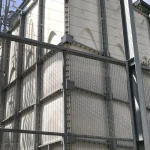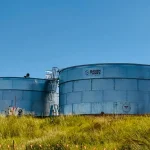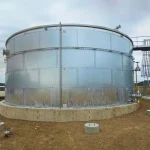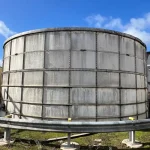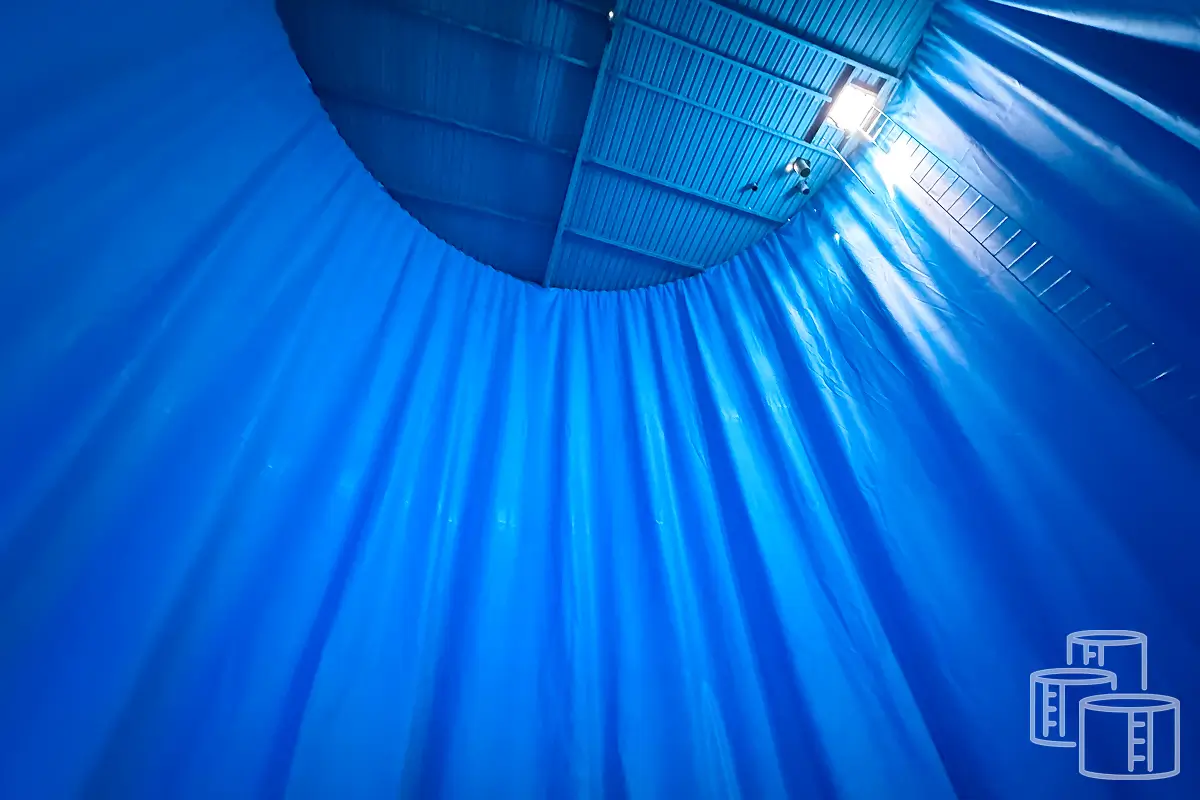
Industrial containment barrier systems play an essential role in protecting infrastructure, soil, and water resources from accidental liquid releases. These systems are commonly used where water, fuels, chemicals, or wastewater must be stored or handled safely. By providing an additional protective layer around primary storage or processing areas, containment barriers help reduce environmental risk and support operational safety.
Understanding how industrial containment barrier systems work helps organisations plan safer infrastructure while maintaining environmental responsibility.
What Industrial Containment Barriers Do
Containment barrier systems are designed to control leaks or spills that may escape from primary storage tanks, pipelines, or processing equipment. Their purpose is to prevent liquids from spreading into surrounding environments where contamination could occur.
These systems often use engineered synthetic materials that resist moisture, chemical exposure, and environmental stress. Because they are flexible and adaptable, containment barriers can be installed in a wide range of industrial settings, from storage yards to processing plants.
Environmental Protection and Risk Management
Environmental regulations increasingly focus on spill prevention and responsible fluid management. Industrial containment barrier systems support these goals by providing an extra level of protection that helps minimise contamination risks.
Early containment can prevent costly environmental cleanup, reduce operational interruptions, and protect infrastructure assets. In many cases, preventative containment measures are more efficient than responding to environmental incidents after they occur.
Typical Applications Across Industries
Containment barrier infrastructure is used across multiple sectors. Industrial facilities handling chemicals, fuels, or wastewater often implement containment systems around storage and processing areas. Mining operations use them for water management and material storage. Agricultural facilities may rely on containment barriers for fertiliser or irrigation systems.
Municipal infrastructure also benefits from containment protection, particularly in water treatment facilities, storage installations, and emergency containment zones.
Key Characteristics of Effective Barrier Systems
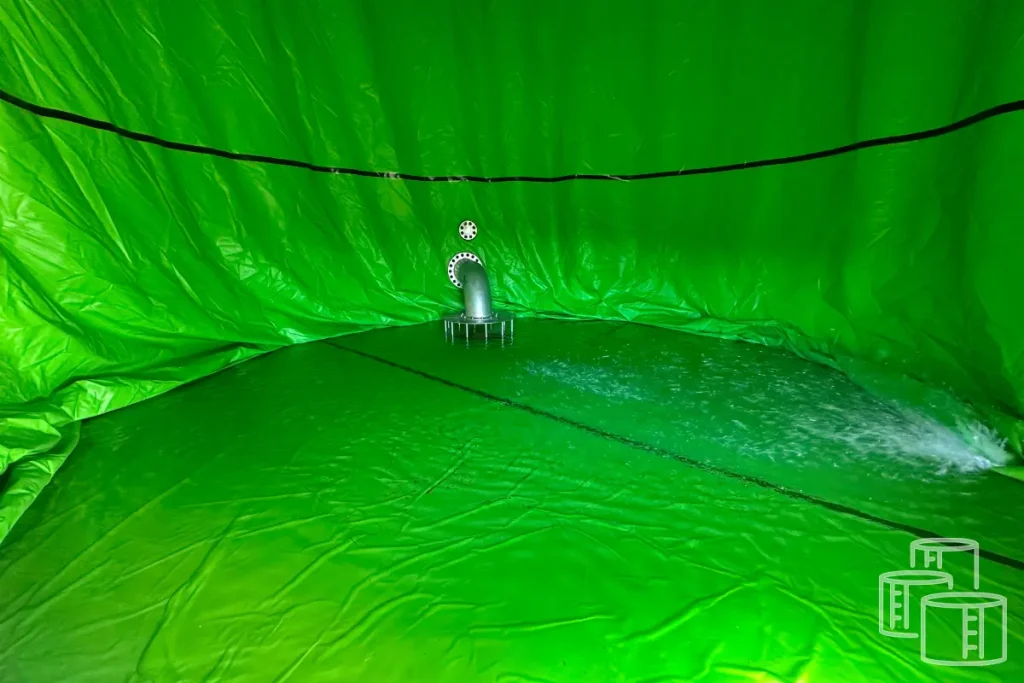
Effective industrial containment barrier systems typically combine several important characteristics. Chemical resistance helps maintain integrity when exposed to aggressive liquids. Flexibility allows the system to adapt to ground movement or structural changes. Durability ensures reliable performance in outdoor environments exposed to temperature variations, ultraviolet radiation, and weather conditions.
Careful design, installation, and inspection are important factors influencing long-term performance.
Protective liner solutions are often discussed within broader topics related to industrial liquid containment infrastructure, particularly where environmental protection is a priority.
Maintenance and Long-Term Performance
Even durable containment systems require periodic inspection. Monitoring helps identify wear, seam stress, or environmental effects before they lead to system failure. Preventative maintenance helps ensure containment barriers continue protecting infrastructure effectively.
Advances in material technology continue improving containment reliability, making modern barrier systems more adaptable and resilient in demanding industrial environments.