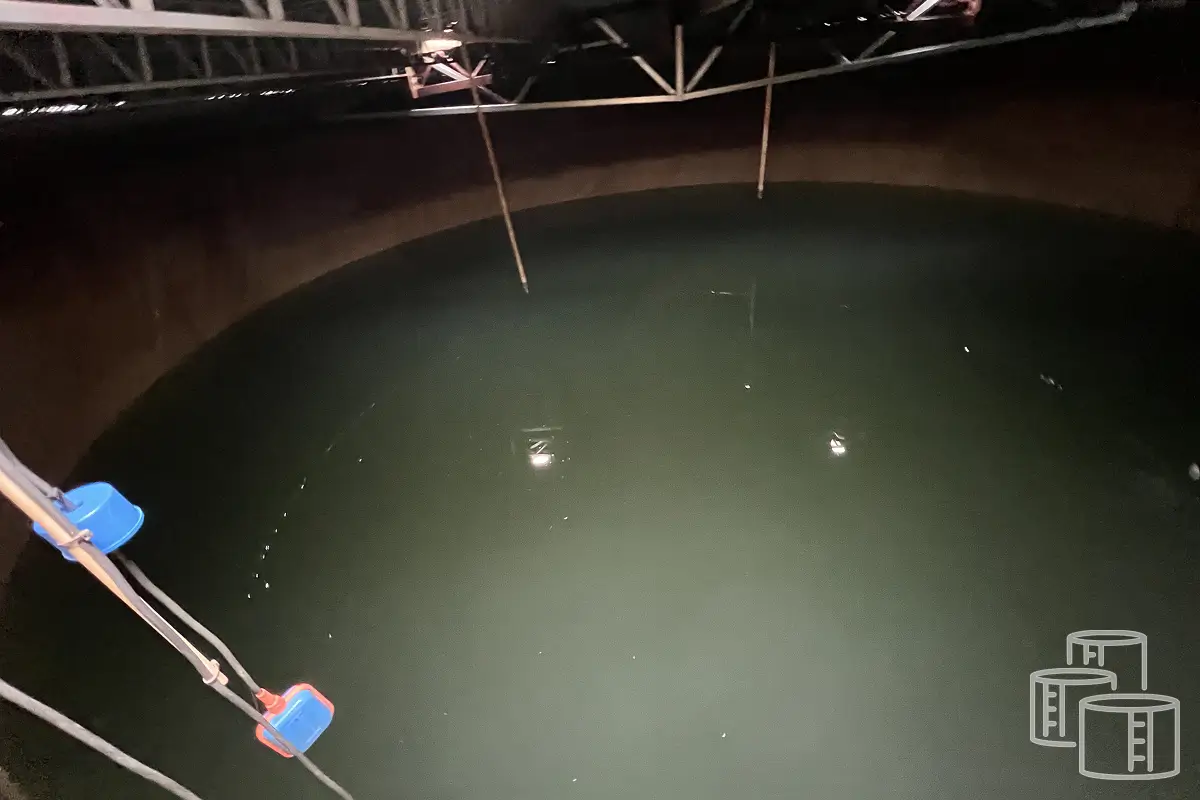
Water storage tanks require consistent maintenance to ensure safe operation. However, many systems fail due to preventable mistakes.
Poor maintenance practices can lead to contamination, structural damage, and costly repairs. Understanding common errors helps you avoid these risks.
In this guide, we explain the most frequent water tank maintenance mistakes and how to prevent them.
Why Avoiding Mistakes Matters
Even small maintenance errors can create serious problems over time. They often go unnoticed until damage becomes severe.
Avoiding mistakes helps:
- maintain water quality
- prevent system failure
- reduce repair costs
- extend tank lifespan
A proper approach to water storage tank maintenance ensures long-term reliability.
1. Skipping Regular Inspections
One of the most common mistakes is neglecting inspections. Without regular checks, early issues remain hidden.
This can lead to:
- unnoticed leaks
- internal damage
- contamination buildup
Regular inspections help identify problems before they escalate. Review key water tank maintenance signs to detect issues early.
2. Ignoring Cleaning Requirements
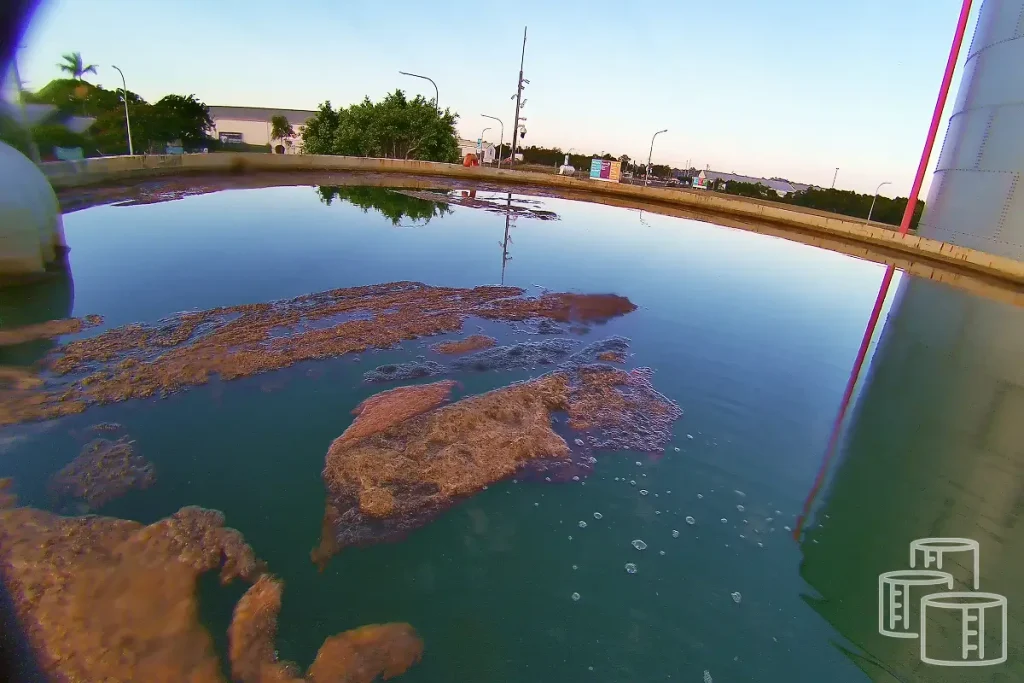
Many operators delay or skip cleaning. This allows sediment and bacteria to accumulate.
Consequences include:
- poor water quality
- bacterial growth
- system inefficiency
Proper water tank cleaning and maintenance is essential for safe operation.
3. Following an Inconsistent Schedule
Maintenance should follow a clear plan. Inconsistent servicing increases the risk of system failure.
Common issues include:
- delayed cleaning
- missed inspections
- irregular maintenance intervals
A structured water tank maintenance schedule ensures consistent performance.
4. Using Incorrect Cleaning Methods
Improper cleaning techniques can damage the tank. Using the wrong tools or chemicals is a common issue.
This may result in:
- surface damage
- chemical contamination
- reduced lifespan
Following a correct water storage tank maintenance process helps avoid these problems.
5. Ignoring Minor Damage
Small cracks or leaks are often overlooked. However, minor issues can quickly become major failures.
Ignoring damage can lead to:
- structural weakness
- water loss
- expensive repairs
Early intervention is always more cost-effective.
6. Poor Documentation and Monitoring
Many systems lack proper maintenance records. Without documentation, it is difficult to track performance.
This can cause:
- missed maintenance tasks
- repeated issues
- inefficient planning
Keeping records improves maintenance accuracy and consistency.
7. Lack of Preventive Maintenance
Reactive maintenance is a common mistake. Waiting for problems to occur increases risk and cost.
Preventive maintenance focuses on:
- regular inspections
- scheduled cleaning
- early issue detection
This approach improves long-term system performance.
How to Avoid these Mistakes
Avoiding maintenance errors requires a structured approach.
Best practices include:
- following a clear maintenance plan
- scheduling regular inspections
- performing routine cleaning
- monitoring system performance
Consistency is key to preventing problems.
The Cost of Poor Maintenance
Neglecting proper maintenance can lead to serious consequences.
These include:
- system failure
- water contamination
- high repair costs
- operational downtime
Investing in proper maintenance reduces these risks.
Final Thoughts
Water tank maintenance mistakes are often preventable. Understanding common errors helps improve system reliability.
A proactive approach ensures safe water quality and efficient operation. It also reduces long-term costs.
If you want to protect your system, avoid these mistakes and follow a structured maintenance strategy.