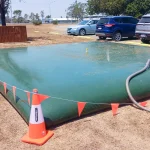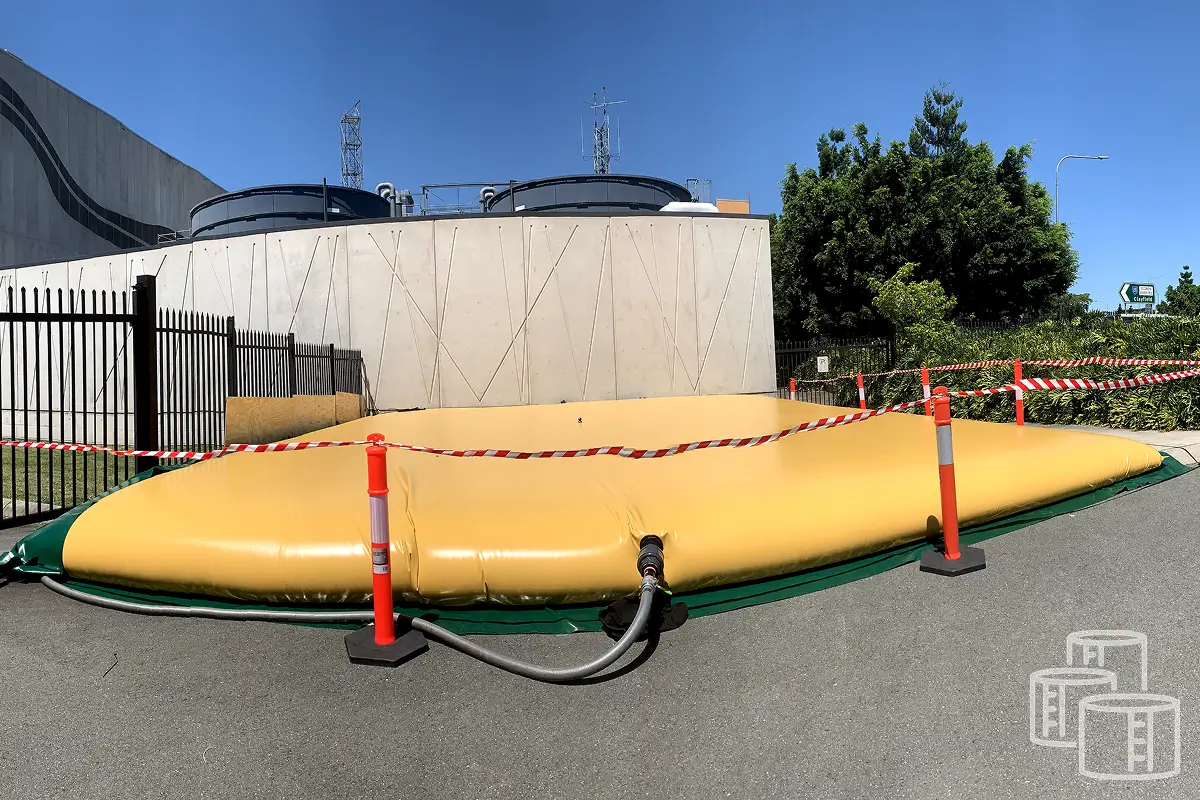
Onion tanks are widely used for temporary liquid storage across various industries. Their flexible design and fast deployment make them a practical solution in situations where permanent infrastructure is not available. These tanks are especially valuable in emergency response, remote operations, and short-term projects.
Understanding how onion tanks are used helps businesses and organizations choose the right storage solution. Their versatility and efficiency make them suitable for a wide range of applications.
Temporary Water Storage in Remote Locations
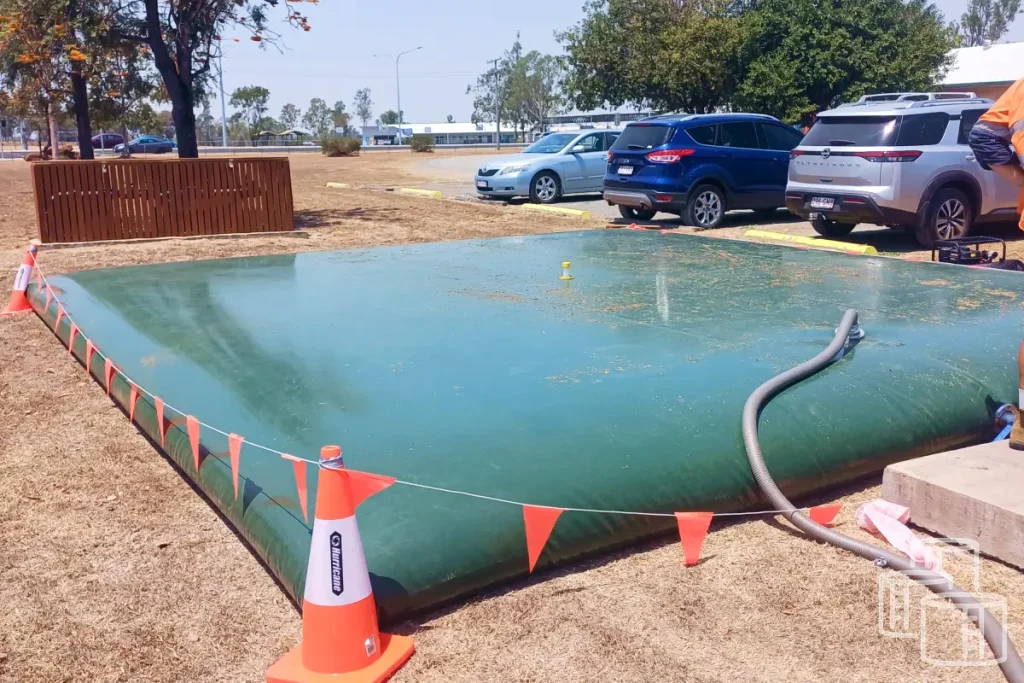
One of the most common uses of onion tanks is temporary water storage in remote areas. Construction sites, mining operations, and agricultural projects often require reliable water access. However, building permanent storage systems in these locations can be costly and time-consuming.
Onion tanks provide a simple alternative. They can be transported easily and installed quickly without heavy equipment. This allows teams to secure water supply without delaying operations.
Their collapsible structure also makes them easy to relocate. Once a project is completed, the tank can be packed and moved to another site.
Emergency Response and Disaster Relief
Onion tanks play a critical role in emergency and disaster response. During floods, wildfires, or earthquakes, access to clean water becomes a priority. These tanks can be deployed rapidly to support affected communities.
Emergency teams use them to store drinking water, firefighting water, or wastewater. Their quick setup ensures that resources are available when they are needed most.
Because they are lightweight and portable, onion tanks can be transported to difficult or damaged locations. This makes them an essential tool in crisis situations.
Firefighting and Water Supply Systems
Firefighting operations often require large volumes of water in areas without hydrant systems. Onion tanks are commonly used to store water for this purpose. They can be positioned close to fire zones to ensure quick access.
These tanks are frequently used in rural or forested areas. Fire crews rely on them to maintain a steady water supply during extended operations.
Their open-top design allows for fast filling from various sources. Water can be delivered by trucks, pumps, or natural sources such as rivers and lakes.
Industrial Liquid Storage
In industrial environments, onion tanks are used for storing different types of liquids. This includes process water, wastewater, and certain chemicals. Their flexibility makes them suitable for temporary storage during maintenance or system upgrades.
Industries such as oil and gas, construction, and manufacturing benefit from their adaptability. When permanent tanks are not available or under repair, onion tanks provide a reliable backup solution.
They can also be used during peak demand periods. This helps manage fluctuations in liquid storage requirements.
Environmental and Wastewater Management
Environmental projects often require temporary storage for contaminated water or runoff. Onion tanks are used to collect and contain these liquids safely. This prevents pollution and supports proper treatment processes.
They are commonly used in site remediation and environmental protection projects. Their quick installation allows teams to respond immediately to environmental risks.
Because they are easy to transport, they can be deployed wherever they are needed. This flexibility is critical in managing unpredictable situations.
Agricultural Applications
Farmers and agricultural operators use onion tanks for irrigation and water storage. These tanks help maintain water supply during dry periods or seasonal changes.
They are also used for livestock watering in remote grazing areas. Their portability allows farmers to move them as needed.
In addition, onion tanks can store liquid fertilizers or other agricultural solutions. This supports efficient farm management and resource planning.
Advantages that Support Versatile Use
The wide range of applications for onion tanks is supported by several key advantages. One of the most important is their rapid deployment. These tanks can be set up within minutes without specialized tools.
Their lightweight design reduces transportation costs. This is particularly important for remote or hard-to-access locations.
Durability is another advantage. Onion tanks are made from strong, flexible materials that resist wear and environmental conditions. This ensures reliable performance even in demanding environments.
Their collapsible structure also improves storage efficiency. When not in use, they take up minimal space and can be stored easily.
Limitations to Consider
While onion tanks are highly versatile, they are not suitable for every situation. They are designed primarily for temporary use rather than permanent storage.
Long-term exposure to extreme conditions may reduce their lifespan. Regular inspection is necessary to ensure continued performance.
They may also have limitations in handling certain chemicals. Compatibility should always be checked before use.
Understanding these limitations helps users make informed decisions. Choosing the right application ensures optimal performance and safety.
When Onion Tanks are the Best Choice
Onion tank water storage are most effective when flexibility and speed are priorities. They are ideal for temporary projects, emergency situations, and remote operations.
Businesses that require scalable storage solutions can benefit from their adaptability. They allow quick adjustments based on changing needs.
In situations where permanent infrastructure is not practical, onion tanks provide a reliable alternative. Their ability to perform in diverse conditions makes them a valuable asset.
Final Thoughts
Onion tanks are a versatile and efficient solution for temporary liquid storage. Their ability to support industrial operations, emergency response, and environmental management makes them widely used across sectors.
By understanding what onion tanks are used for, businesses can select the right solution for their needs. Their flexibility, durability, and ease of use ensure they remain a practical choice in many applications.