Galvanised steel water tanks are widely used for commercial and industrial water storage. Their strength and corrosion protection make them suitable for demanding applications. However, no water tank has an unlimited service life.
The lifespan of a galvanised steel water tank depends on several factors. These include its environment, installation, water quality, maintenance, and galvanised coating condition. Two similar tanks can therefore have very different service lives.
Tank age alone also does not reveal whether replacement is necessary. Understanding what affects tank lifespan helps owners make better inspection, maintenance, repair, and replacement decisions.
This guide explains how galvanised steel tanks age and what can shorten their service life. It also covers corrosion, maintenance, warning signs, and factors that influence repair or replacement decisions.
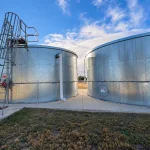
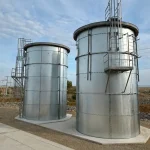
Properly designed galvanised steel tanks offer a robust solution for large-scale commercial and industrial water storage.
What Determines the Lifespan of a Galvanised Steel Water Tank?
There is no single lifespan that applies to every galvanised steel water tank. Tank condition develops through the interaction of several factors.
A well-maintained tank in favourable conditions may perform differently from an identical tank in a harsh environment.
Important factors include:
- Quality of the galvanised coating.
- Environmental exposure.
- Water characteristics.
- Installation quality.
- Tank design.
- Condition of connections and fittings.
- Inspection and maintenance history.
- Previous damage or repairs.
These factors should be considered together when evaluating expected service life.
Quality of Hot-Dip Galvanising
Galvanising protects the underlying steel with a zinc coating. This coating creates a protective layer between the steel and its surrounding environment. Hot-dip galvanising involves immersing prepared steel components in molten zinc.
The process creates a bonded protective coating across exposed steel surfaces. Coating quality can influence how effectively the underlying steel remains protected. The coating must also remain suitable for the tank’s operating environment.
Galvanising provides long-term corrosion protection, but the coating is not permanent. Its condition can gradually change during the tank’s service life.
Tank Environment
The surrounding environment can significantly influence tank condition. A tank in a relatively mild environment faces different exposure from one near the coast.
Industrial environments can also introduce different conditions.
Factors may include:
- Moisture and humidity.
- Salt exposure.
- Industrial contaminants.
- Local atmospheric conditions.
- Poor drainage around the tank.
- Persistent water exposure.
- Weather conditions.
These factors can affect the rate at which protective surfaces deteriorate. Environmental conditions should therefore form part of any long-term tank condition assessment.
Water Quality
The stored water creates another operating environment inside the tank. Water characteristics can influence materials and internal tank components. Different water sources may contain different minerals, chemicals, and other substances.
Changes in water chemistry can also affect how materials perform over time. Water quality should therefore be considered when unexplained deterioration develops inside a storage tank.
The tank’s intended application should also guide material selection from the beginning.
Installation Quality
A durable tank still depends on correct installation. Problems created during installation can affect long-term performance. The tank should have suitable support and an appropriately prepared foundation.
Panels, connections, seals, and fittings should also be installed correctly. Poor alignment can place unnecessary stress on certain components.
Installation damage can also compromise protective surfaces before the tank enters normal operation. Correct installation provides a better foundation for long-term performance.
Inspection and Maintenance
Maintenance does not stop a tank from ageing. However, it can help identify developing problems before they become more extensive. Small leaks, coating damage, or localised corrosion may be easier to manage when identified early.
Delayed attention can allow deterioration to spread into surrounding areas. Inspection records are also valuable. They allow current observations to be compared with previous tank conditions.
This makes gradual deterioration easier to identify. Learn how to maintain galvanised water tanks and reduce avoidable deterioration throughout their service life.
How Does Galvanising Protect a Steel Water Tank?
Steel is strong and versatile, but unprotected steel can corrode under suitable conditions. Galvanising adds a protective zinc coating to the steel surface. This protection works in more than one way.
First, the coating creates a physical barrier. It separates the underlying steel from environmental exposure. Zinc can also provide sacrificial protection to steel under certain conditions.
This characteristic is one reason galvanising is widely used for corrosion protection. However, the protective coating can change over time. Its deterioration rate depends heavily on environmental and operating conditions.
Localised damage may also affect particular areas differently. This means a galvanised tank should not be considered completely immune to corrosion.
Instead, galvanising provides protection that can significantly improve steel durability. Understanding this distinction is important when evaluating tank lifespan.
Do Galvanised Steel Water Tanks Rust?
Galvanised steel can eventually develop corrosion. The zinc coating provides protection, but it does not make steel permanently corrosion-proof. Deterioration may begin where protective surfaces become damaged or depleted.
Certain locations can also experience greater exposure than others. Moisture can remain around connections, bases, fittings, or damaged surfaces. Environmental conditions can accelerate deterioration in vulnerable areas.
Visible rust does not always mean the entire tank has reached its service limit. A small localised area may require a different response from widespread corrosion. The surrounding material should therefore be assessed before conclusions are made.
The pattern of corrosion is also important. Repeated corrosion across multiple locations can indicate a broader condition issue.
Understanding the extent and cause helps determine the appropriate next step.
Signs a Galvanised Steel Water Tank may be Deteriorating
Tank deterioration does not always appear as one dramatic failure. It often develops gradually.
Recognising early signs can support more informed maintenance decisions.
Common warning signs may include:
- Visible corrosion.
- Rust staining.
- Deterioration of galvanised surfaces.
- Localised coating damage.
- Water leakage.
- Deterioration around bolts or fasteners.
- Changes around panel connections.
- Damaged or distorted components.
- Repeated problems around previous repairs.
- Moisture where it should not normally appear.
These signs do not automatically mean replacement is required. Their location, severity, and extent need to be considered. A small defect may remain localised.
Multiple defects across several areas can indicate more extensive deterioration. Previous inspection records can help establish whether these changes are progressing.
Which Areas of a Galvanised Tank need Particular Attention?
Some tank areas can experience greater environmental exposure or mechanical stress. These locations deserve closer attention during condition assessments.
Panel Connections
Panel tanks contain numerous connections between structural sections. These areas should remain secure and in suitable condition.
Changes around connections can provide useful information about movement, leakage, or deterioration. Nearby surfaces should also be examined when a problem is found.
Bolts and Fasteners
Bolts and other fasteners form important parts of a panel tank system. Their condition can differ from surrounding surfaces.
Inspectors may look for corrosion, damage, movement, or other visible changes. The interfaces around fasteners can also deserve attention.
Tank Base
The lower areas of a tank can experience challenging moisture conditions. Poor drainage may allow water to remain near structural components.
Persistent moisture can create conditions that support deterioration. The surrounding site should therefore form part of broader tank maintenance.
Roof and External Surfaces
External tank surfaces are continuously exposed to their surrounding environment. Roof areas may experience weather, debris, moisture, and other environmental conditions.
Damage to protective surfaces should not be ignored. External deterioration can provide early evidence of changing tank condition.
Pipe Connections and Penetrations
Pipework creates interfaces between the tank and connected systems. These areas may experience movement and localised stress.
Water leakage around a connection should be investigated. Visible deterioration around penetrations can also require closer assessment.
Previously Repaired Areas
Previous repairs provide useful information about a tank’s maintenance history. A repaired area should be checked during later inspections.
The objective is to confirm whether the repair remains stable. Repeated deterioration in one location can suggest an underlying problem.
Can Maintenance Extend a Galvanised Steel Water Tank’s Life?
Appropriate maintenance can help preserve tank condition and reduce avoidable deterioration. The objective is not to prevent all ageing. Instead, maintenance helps identify and manage problems before they become more extensive.
Useful maintenance practices may include:
- Monitoring visible tank condition.
- Investigating leaks promptly.
- Checking vulnerable connections.
- Addressing localised corrosion.
- Maintaining suitable drainage.
- Recording identified defects.
- Documenting completed repairs.
- Comparing condition between inspections.
Early investigation is particularly important. A small leak can sometimes indicate a larger issue developing around a connection or damaged area.
Similarly, visible corrosion should be considered in its wider context. Simply treating the visible surface may not address the underlying cause. Maintenance records can improve these decisions.
They create a history of how tank condition has changed over time.
Why Drainage Around the Tank Matters
The environment immediately surrounding a tank can affect its long-term condition. Water should not remain unnecessarily around the tank base. Poor drainage can create prolonged moisture exposure.
This may be particularly important after heavy rainfall or site changes. Vegetation, debris, and changes to surrounding ground levels can also influence drainage. Routine site observations can identify these problems.
Keeping the surrounding area appropriately managed supports broader tank maintenance. It also makes changes around the tank base easier to observe.
Can a Galvanised Steel Water Tank be Repaired?
Some forms of tank deterioration may be repairable. Whether repair is appropriate depends on the nature and extent of the problem.
A localised defect presents a different situation from widespread deterioration.
Repair decisions may consider:
- Location of the damage.
- Extent of corrosion.
- Structural condition.
- Condition of surrounding material.
- Previous repairs.
- Accessibility.
- Cause of the defect.
- Expected future performance.
Identifying the cause is particularly important. Repeatedly repairing the same visible symptom may not resolve an underlying problem.
For example, recurring leakage may indicate movement or deterioration elsewhere. A condition assessment can help determine whether repair remains practical.
Repair or Replace: when is a Galvanised Tank Reaching the end of its Service Life?
Age alone should not determine whether a tank needs replacement. Actual condition provides more useful information. A relatively old tank may remain serviceable when its critical components remain in suitable condition.
A younger tank can develop significant problems under unfavourable circumstances. Repair or replacement decisions should therefore consider the entire tank.
Important factors include:
- Extent of corrosion.
- Structural deterioration.
- Frequency of leaks.
- Number of affected areas.
- Condition of panels and connections.
- Previous repair history.
- Recurrence of known defects.
- Practicality of further repairs.
One isolated problem may support a localised repair approach. Widespread deterioration can change that assessment.
Repeated failures also deserve attention. They may indicate that ongoing repairs are no longer addressing the broader condition of the tank.
Does Tank Age Tell You when Replacement is Needed?
Tank age is useful information, but it should not be considered alone. Two tanks installed during the same year can develop very different conditions. One may operate in a mild environment with consistent maintenance.
The other may experience greater moisture, salt, industrial exposure, or repeated damage. Their chronological age is identical. Their actual condition may be very different.
This is why service life should be considered as a condition-based question. Inspection findings provide evidence about how the tank is actually performing.
Maintenance history adds further context. Together, these details provide a clearer picture than age alone.
How can You Help a Galvanised Steel Water Tank Last Longer?
Long-term tank management starts before visible deterioration becomes serious. A proactive approach can help reduce avoidable damage.
Several practical steps can support tank longevity:
- Use a tank suitable for its intended application.
- Ensure correct installation and foundation preparation.
- Keep the surrounding area appropriately drained.
- Investigate unexpected water loss.
- Monitor visible corrosion.
- Address damaged protective surfaces.
- Check connections and vulnerable areas.
- Keep accurate inspection records.
- Document repairs and recurring defects.
- Avoid delaying known maintenance issues.
Consistency matters more than reacting only when a major problem appears. Small changes can provide valuable early warnings. Records also help facility managers understand whether deterioration is stable or progressing.
Learn more about galvanised steel water tank costs in Australia and the factors that influence overall pricing.
Why Inspection History Matters
A single inspection provides a snapshot of tank condition. Several inspections create a condition history. This distinction becomes increasingly useful as a tank ages.
Photographs can show whether corrosion has expanded. Repair records can reveal whether the same problem keeps returning.
Leak records can highlight changes in tank performance.
Useful records may include:
- Inspection dates.
- Photographs.
- Locations of corrosion.
- Details of leaks.
- Completed repairs.
- Replaced components.
- Recurring defects.
- Changes in surrounding conditions.
This information supports more informed maintenance planning. It can also provide valuable context when repair or replacement becomes necessary.
Understanding Galvanised Steel Water Tank Lifespan
The lifespan of a galvanised steel water tank cannot be reduced to one number. Every tank operates under different environmental, installation, and maintenance conditions. Hot-dip galvanising provides important corrosion protection for the underlying steel.
However, protective surfaces can change throughout the tank’s service life. Environmental exposure, water conditions, installation, and maintenance can all influence deterioration. Tank age should therefore provide context rather than determine replacement decisions.
Actual condition offers much more useful information. Regular observations and accurate maintenance records can reveal how a tank changes over time.
They can also help identify recurring defects before problems become more extensive. Ultimately, understanding tank condition is the best way to make informed repair, maintenance, and replacement decisions.