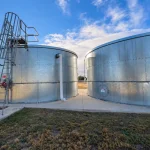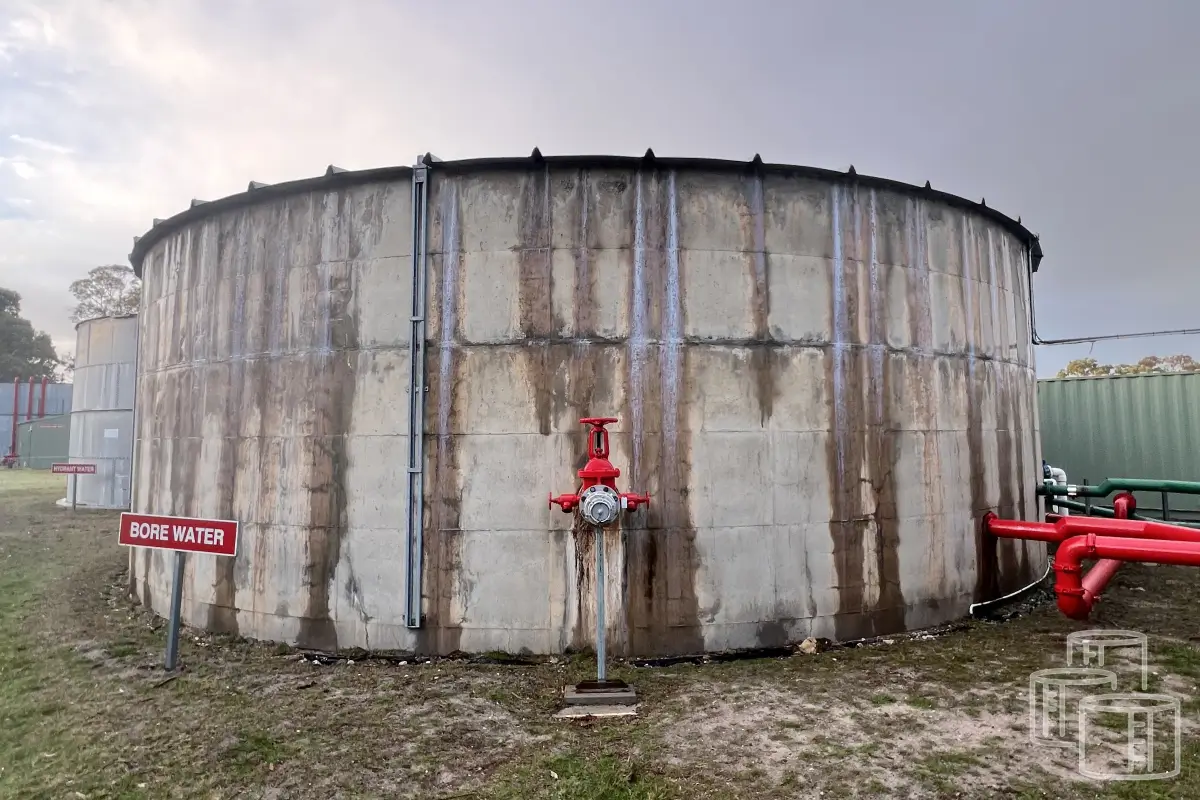
Concrete water tanks are widely used in commercial, industrial, and municipal water storage systems. Their strength and durability make them suitable for large storage capacities and demanding operating environments.
However, concrete water tanks can develop leaks over time. Cracks, deteriorating joints, structural movement, and damaged waterproofing systems can compromise water containment.
Some problems develop gradually, while others appear after changes in ground conditions or operating loads. Understanding why concrete water tanks leak is essential for selecting appropriate repair and maintenance methods.
Not every leak requires a complete tank replacement. Some problems can be addressed through targeted repairs, while others may require additional waterproofing protection.
Internal tank liners can help restore water containment when the existing structure remains suitable for continued operation. However, a liner cannot correct structural instability or replace necessary concrete repairs.
This guide explains common causes of concrete tank leakage, inspection methods, repair options, and important lining considerations.
Why do Concrete Water Tanks Develop Leaks?
Concrete provides structural strength, but its ability to retain water depends on several factors. These include material quality, construction methods, joint design, structural movement, and waterproofing performance.
Concrete also undergoes physical and chemical changes throughout its service life. Temperature fluctuations, moisture exposure, and mechanical stresses can influence its condition.
Small cracks may develop during construction or gradually appear during operation. Not every crack causes leakage. However, cracks can become potential pathways for water movement. Water may also escape through construction joints, damaged seals, and pipe penetrations.
In some cases, the concrete structure remains sound while its waterproofing system deteriorates. Other situations involve structural defects requiring more extensive investigation.
Identifying the underlying cause is essential before selecting a repair method. A leaking concrete tank should therefore be assessed as a complete water storage system.
Common Causes of Concrete Water Tank Leakage
Several deterioration mechanisms can contribute to water loss. The following problems are among the most important considerations for concrete water storage systems.
1. Structural Cracks and Ground Movement
Cracking is a common concern in concrete water tanks. Concrete has good compressive strength but relatively limited tensile strength. When tensile stresses exceed the material’s capacity, cracks may develop.
Potential causes include:
-
Foundation settlement.
-
Uneven ground movement.
-
Changes in structural loading.
-
Thermal expansion and contraction.
-
Concrete shrinkage.
-
Inadequate reinforcement.
-
Construction defects.
-
Excessive external pressure.
Cracks may develop in tank walls, floors, or connections between structural elements. Their significance depends on location, width, depth, and whether movement continues. A narrow, stable crack may require a different repair method from an actively widening crack.
Water pressure can force moisture through cracks that extend across the concrete section. Repeated movement may also damage previous repairs.
For this reason, crack assessment should consider both watertightness and structural stability.
2. Construction Joint and Expansion Joint Failures
Concrete tanks often contain joints between separately constructed sections. These joints accommodate construction requirements or expected structural movement. However, joints can become vulnerable to leakage when their sealing systems deteriorate.
Common problems include:
-
Damaged joint sealants.
-
Deteriorated waterstops.
-
Poor joint preparation.
-
Inadequate sealing during construction.
-
Differential movement between sections.
-
Loss of adhesion.
-
Long-term material ageing.
Water may escape through a joint even when the surrounding concrete remains structurally sound. Movement joints require particular attention because their sealing systems must accommodate displacement.
Applying rigid repair materials across moving joints may lead to repeated failure. Appropriate joint repair depends on the original design and expected movement.
An inspection should identify whether leakage originates from the joint or adjacent concrete.
3. Concrete Deterioration and Reinforcement Corrosion
Concrete can deteriorate when exposed to aggressive environmental conditions. Chemical exposure, moisture movement, and reinforcement corrosion may gradually affect its integrity. Reinforced concrete contains embedded steel that contributes to structural strength.
Under suitable conditions, the surrounding concrete helps protect this reinforcement from corrosion. However, carbonation or chloride penetration can reduce that protection. When reinforcement corrodes, expanding corrosion products can place pressure on the surrounding concrete.
This process may cause cracking, delamination, or spalling. Spalling occurs when sections of concrete break away from the surface.
Warning signs may include:
-
Rust staining.
-
Exposed reinforcement.
-
Crumbling concrete.
-
Surface delamination.
-
Expanding cracks.
-
Loose concrete fragments.
-
Persistent damp areas.
These defects may increase water movement through damaged sections. They can also indicate structural deterioration beyond a simple waterproofing problem.
Installing a liner without addressing significant reinforcement corrosion may allow deterioration to continue. Structural assessment and appropriate concrete repairs should come first.
4. Leaking Pipe Penetrations and Fittings
Concrete water tanks require connections for filling, draining, overflow, and water distribution. These connections often pass through concrete walls or floors.
Each penetration creates an interface between different materials. Leaks may develop when seals deteriorate or movement occurs around these connections.
Potential causes include:
-
Failed penetration seals.
-
Damaged pipe sleeves.
-
Poorly installed fittings.
-
Differential movement.
-
Corroded components.
-
Inadequate waterproofing details.
-
Cracks around openings.
Water escaping around a pipe penetration may resemble leakage through the concrete wall. Therefore, inspections should distinguish between structural leakage and connection failures.
Repairing the wrong component may leave the original problem unresolved. Appropriate sealing systems must also accommodate expected movement and operating pressure.
5. Deteriorating Waterproofing Systems
Some concrete tanks rely on additional waterproofing systems to maintain reliable water containment. These may include protective coatings, bonded membranes, or flexible internal liners.
Over time, waterproofing materials can deteriorate because of environmental exposure or unsuitable operating conditions.
Common problems include:
-
Coating delamination.
-
Membrane punctures.
-
Surface blistering.
-
Failed seams.
-
Chemical incompatibility.
-
Inadequate surface preparation.
-
Age-related deterioration.
-
Damage during maintenance.
A damaged waterproofing system may allow water to reach the underlying concrete. However, visible coating damage does not always mean the concrete structure has failed.
The appropriate response depends on the condition of both the waterproofing system and substrate. Localised defects may be repairable. More extensive deterioration may justify replacing the existing waterproofing system.
6. Poor Construction and Concrete Quality
Construction quality strongly influences long-term tank performance. Poor concrete placement, inadequate compaction, and improper curing can create defects. Honeycombing is one example.
It occurs when voids or poorly consolidated areas develop within the concrete. These areas may provide pathways for moisture movement.
Other construction-related concerns include:
-
Inadequate concrete cover.
-
Poorly prepared construction joints.
-
Incorrect reinforcement placement.
-
Incomplete compaction.
-
Insufficient curing.
-
Defective waterstop installation.
Some defects become apparent shortly after commissioning. Others remain hidden until operating conditions expose weaknesses.
A detailed inspection helps determine whether leakage results from construction defects or later deterioration.
How to Identify the Source of a Concrete Tank Leak
Effective leak repair begins with identifying where water is escaping. Visible moisture does not always indicate the exact location of a defect.
Water can travel along joints, cracks, and concealed pathways before appearing elsewhere. A systematic inspection should examine the complete storage system.
Visual Inspection
Visual inspections help identify obvious signs of deterioration.
Inspectors may look for:
-
Cracks in walls and floors.
-
Damp patches.
-
Rust staining.
-
Damaged joints.
-
Concrete spalling.
-
Coating deterioration.
-
Sediment accumulation.
-
Leakage around fittings.
External surfaces can also provide useful information. However, external staining may not reveal the full extent of internal damage. For practical advice on reducing sediment buildup and maintaining water quality, read our guide managing sediment in water storage tanks.
Water Level Monitoring
Unexpected water level changes can indicate potential leakage. Monitoring should account for normal consumption, evaporation, overflow, and operational transfers.
The water supply and connected pipework may need controlled isolation during testing. A falling water level alone does not confirm a structural tank defect.
Water may be escaping through valves, fittings, or connected infrastructure.
Internal Condition Assessment
Internal inspections provide additional information about concrete surfaces and waterproofing systems. Inspectors may assess cracks, joints, penetrations, and signs of material deterioration.
Specialist testing may be required when defects are difficult to locate. Inspection methods should reflect the tank’s design, water contents, and operating conditions.
Entering a tank can involve confined-space hazards. Such work requires appropriate risk assessment, isolation, and trained personnel. For tanks supporting essential operations, inspection planning must also consider service continuity.
Structural Assessment
Significant cracking, reinforcement corrosion, or suspected foundation movement may require structural engineering assessment. This assessment helps determine whether the tank can safely remain in service.
It also identifies defects that cannot be corrected through waterproofing alone. Inspection findings should guide the selection of repair methods.
Regular inspections can help identify cracks, leaks, and early signs of deterioration before they become serious problems. Learn more in our guide the importance of regular water tank inspections.
When can Concrete Tank Cracks be Repaired without a Liner?
Not every leaking concrete tank requires an internal liner. Some defects are localised and can be addressed through targeted repairs. The appropriate method depends on the cause, extent, and movement characteristics of the damage.
For example, a stable crack may be suitable for a specified injection repair system. Other situations may require joint sealant replacement or localised concrete restoration.
Common repair approaches include:
-
Crack injection.
-
Joint resealing.
-
Concrete patch repairs.
-
Replacement of damaged fittings.
-
Localised waterproofing repairs.
-
Structural strengthening where required.
Different injection materials serve different purposes. Some are intended to restore structural continuity, while others primarily address water ingress. The selected material must suit the crack conditions and intended performance.
A repair system should also account for whether the crack is static or moving. Rigid materials may be unsuitable where significant movement continues.
SA Water’s concrete remedial standards distinguish between crack repair, joint replacement, structural strengthening, and surface lining. This distinction reinforces the importance of diagnosing the problem before selecting a solution.
When Should an Internal Tank Liner be Considered?
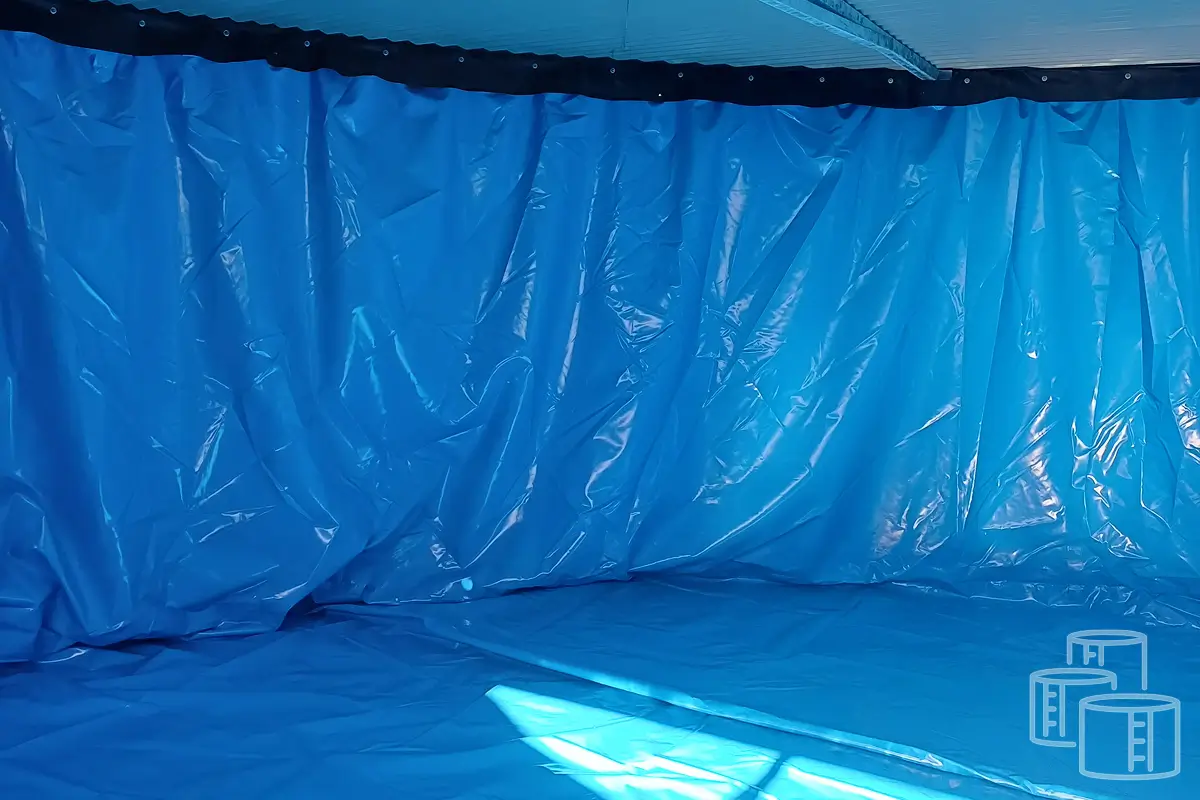
An internal liner may be considered when a concrete tank requires additional water containment protection. Liners create a barrier between stored water and the existing tank surface.
They may be particularly useful when the concrete structure remains serviceable but its water-retaining performance has deteriorated.
Potential situations include:
-
Widespread surface deterioration.
-
Recurring leakage after previous repairs.
-
Ageing waterproofing systems.
-
Multiple leakage pathways.
-
Requirements for additional water containment.
-
Suitable refurbishment projects.
A liner may also help separate stored water from an existing concrete surface. However, the material must be compatible with the stored liquid and operating conditions.
When Local Repairs are not Enough
Repeated local repairs may become less effective when defects are distributed across multiple areas. For example, a tank may contain several deteriorating joints and numerous surface defects.
Repairing each location individually may not provide the desired containment performance. A properly specified lining system may offer a more comprehensive barrier.
However, existing structural defects must still be assessed and addressed.
When the Concrete Structure Remains Serviceable
Internal lining can be considered when the existing structure retains adequate structural capacity. This is particularly relevant to refurbishment projects.
Replacing a complete concrete tank may involve substantial demolition, construction, and operational disruption. Retaining a suitable existing structure can sometimes reduce the extent of required work.
However, refurbishment feasibility must be established through inspection and engineering assessment. An internal liner should not be used to conceal serious structural deterioration.
For additional information about protective systems, see industrial tank liners and their applications in water storage infrastructure.
Why Structural Repairs must Come Before Tank Lining
A liner provides water containment, but it does not replace the structural function of concrete. This distinction is important when evaluating damaged water storage tanks. If the concrete structure is unstable, installing a liner may not resolve the underlying problem.
For example, ongoing foundation movement can continue placing stress on tank walls and joints. Significant structural cracks may also expand after lining installation.
Some lining systems can accommodate limited movement, depending on their design and material properties. However, movement beyond their design capacity can cause damage.
Before installing a liner, the assessment should consider:
-
Structural stability.
-
Concrete strength and condition.
-
Active cracking.
-
Reinforcement corrosion.
-
Foundation movement.
-
Existing joint conditions.
-
Water pressure.
-
Surface preparation requirements.
Damaged concrete may require restoration before the waterproofing system is installed. This could involve removing deteriorated material, treating reinforcement, and restoring the affected sections.
The required repairs depend on the extent and cause of deterioration.
Surface Preparation and Liner Performance
Surface preparation is particularly important for bonded waterproofing systems. Contamination, loose concrete, and unsuitable surface conditions can affect adhesion.
Different lining systems have different installation requirements. For example, bonded coatings require appropriate substrate preparation and moisture conditions.
Flexible sheet liners use different attachment and sealing arrangements. SA Water’s technical guidance addresses both surface-applied protection and loose liner systems for concrete water infrastructure.
The selected system should follow its approved specification and manufacturer requirements. Proper installation also requires careful attention to corners, penetrations, joints, and other complex details.
These areas may experience higher stresses or create potential leakage pathways. For a broader overview of lining requirements across different storage systems, read our guide does your water tank need a liner?
How Water Quality Affects Concrete Tank Lining Requirements
Stored water characteristics influence the selection of lining materials. A system suitable for general industrial water storage may not be appropriate for drinking water. Water chemistry can also affect material durability.
Important considerations include:
-
Water pH.
-
Chloride concentration.
-
Chemical treatment.
-
Operating temperature.
-
Disinfection procedures.
-
Potential chemical exposure.
-
Drinking water requirements.
Potable Water Storage
Potable water applications require particular attention to material compatibility. Products that contact drinking water must meet applicable health and safety requirements.
In Australia, AS/NZS 4020 addresses the testing of products intended for contact with drinking water. SA Water’s concrete technical standard specifies AS/NZS 4020 compliance for relevant materials remaining in potable-water contact.
These materials may include coatings, linings, sealants, and repair products. A liner’s general corrosion resistance does not automatically establish its suitability for potable water.
The complete system should be assessed against applicable requirements.
Industrial and Process Water
Industrial water may contain treatment chemicals, dissolved salts, or other substances. These conditions can affect the long-term performance of lining materials.
For example, certain chemicals may be incompatible with particular polymers or coatings. Elevated temperatures may also influence material behaviour.
Lining specifications should therefore consider actual water chemistry rather than relying on general material descriptions.
How to Reduce Future Concrete Water Tank Leakage
Preventive maintenance can help identify deterioration before it develops into a significant operational problem. Although some damage cannot be prevented entirely, regular condition assessments support better asset management.
Schedule Appropriate Inspections
Inspection frequency should reflect the tank’s condition, operating requirements, and applicable standards. Older tanks or structures with known defects may require closer monitoring.
Inspections should examine both the concrete structure and associated components.
Monitor Cracks and Joints
Previously identified cracks should be monitored for changes. Increasing crack width or recurring leakage may indicate continuing movement.
Joints should also be checked for seal deterioration and displacement.
Maintain Waterproofing Systems
Existing coatings and liners should be inspected according to their specifications. Damaged areas may require timely repair to prevent further deterioration.
Cleaning methods should be compatible with the waterproofing material.
Control Water Chemistry
Where practical, water chemistry should remain within the intended operating conditions. Unexpected changes may affect concrete, fittings, and protective materials.
Monitoring is particularly important for industrial process water.
Address Minor Defects Early
Small defects can become more difficult to repair when deterioration progresses. Early investigation may help prevent wider damage and operational disruption.
Where significant deterioration is identified, specialist tank repair methods may be necessary.
Conclusion
Concrete water tank leaks can develop through cracking, joint deterioration, reinforcement corrosion, and waterproofing failures. These problems vary in severity and require different repair approaches.
Some defects can be resolved through localised repairs, while others require more extensive rehabilitation. Internal tank liners may provide additional containment protection when the existing structure remains suitable.
However, lining should never replace necessary structural assessment or concrete restoration. Identifying the cause of leakage is the most important step toward selecting an appropriate solution.
Regular inspections, suitable maintenance, and properly specified repairs help support long-term water storage reliability.