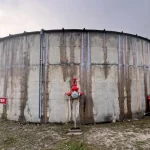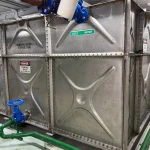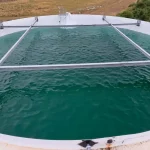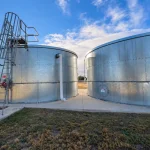
Fire water tanks play an important role in protecting commercial and industrial properties across Australia. However, internal deterioration can develop without obvious external warning signs. Corrosion, sediment accumulation, damaged connections, and structural defects may affect submerged tank components.
An underwater drone tank inspection allows inspectors to examine accessible internal surfaces using remotely operated equipment. Underwater cameras can reveal visible deterioration while the tank remains filled with water. However, not every defect can be identified through video footage.
Understanding what underwater drones can detect helps facility managers interpret inspection findings and plan further assessments.
This guide explores the internal problems underwater drones can identify in fire water tanks. It also explains their limitations and when additional testing may be necessary.
What can Underwater Drones Detect in Fire Water Tanks?
Underwater drones use cameras and lighting to examine submerged tank surfaces. These remotely operated vehicles (ROVs) allow inspectors to observe internal conditions from outside the tank.
Their primary purpose is to collect visual information about accessible components.
A fire tank drone inspection may identify:
-
Visible corrosion on steel panels and supports.
-
Sediment accumulation across tank floors.
-
Surface cracks and structural deformation.
-
Deterioration around internal connections.
-
Damaged protective coatings.
-
Displaced or visibly damaged internal components.
-
Debris and foreign materials.
-
Larger tears or damage affecting tank liners.
The equipment’s ability to identify defects depends on several factors. These include water clarity, camera resolution, lighting, viewing distance, and internal accessibility.
Some problems remain concealed beneath sediment or behind structural components. Therefore, underwater drone footage should not be treated as proof that every submerged component is defect-free.
For an overview of inspection technologies, read underwater tank inspection methods for industrial water storage.
Detecting Corrosion on Submerged Steel Surfaces
Corrosion is an important concern in steel fire water tanks. It can affect internal panels, structural supports, brackets, and other metal components.
Some deterioration develops beneath the waterline, making it difficult to observe externally. An underwater drone inspection can help identify visible corrosion in accessible areas.
Common Signs of Internal Corrosion
Underwater camera footage may reveal:
-
Rust-coloured staining.
-
Localised surface deterioration.
-
Corroded fasteners.
-
Damaged protective coatings.
-
Visible pitting.
-
Corrosion around joints.
-
Deterioration near structural connections.
These observations can indicate areas requiring further examination. However, visual appearance alone cannot establish the severity of corrosion.
For example, surface staining does not necessarily indicate significant material loss. Similarly, serious corrosion may exist beneath apparently intact coatings.
Corrosion Around Tank Connections
Connections between panels and structural components may contain areas vulnerable to deterioration. Underwater drones can examine accessible connections for visible changes.
Inspectors may identify corrosion around bolts, brackets, or adjoining surfaces. However, a camera cannot confirm the mechanical integrity of these connections.
Further examination may be necessary when significant deterioration is suspected.
Can Underwater Drones Measure Corrosion Depth?
A standard underwater camera cannot directly measure remaining steel thickness. It may identify visible pitting or surface irregularities.
However, accurate material thickness assessment requires suitable testing methods. Some specialised ROV systems can support additional inspection instruments.
Their capabilities depend on the equipment and testing arrangement. When corrosion raises structural concerns, qualified specialists should determine the appropriate follow-up assessment.
Identifying Sediment and Debris Accumulation
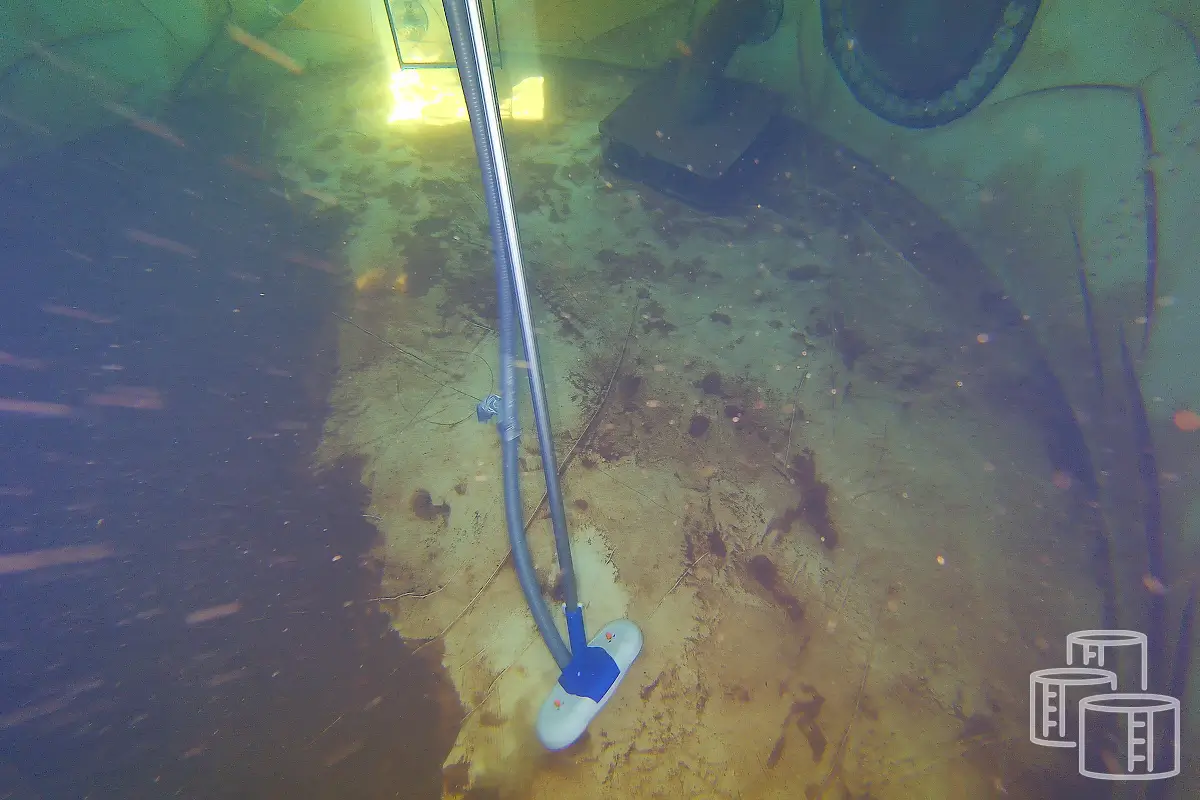
Sediment can gradually accumulate inside fire water storage tanks. Deposits may contain suspended particles, corrosion products, and other materials.
Over time, these substances can settle across submerged surfaces. An underwater drone may reveal sediment distribution and visible debris.
What does Sediment Look Like Underwater?
Camera footage may show:
-
Fine deposits across the tank floor.
-
Localised sediment piles.
-
Rust-coloured particles.
-
Loose debris.
-
Deposits around structural supports.
-
Accumulation near accessible pipework.
Inspectors can document where deposits appear most concentrated. However, video footage cannot reliably determine sediment composition.
Additional sampling may be necessary when identifying the material is important.
Why is Sediment Accumulation Important?
Sediment can interfere with visual assessment. Thick deposits may conceal corrosion, surface damage, or other defects.
Accumulated material may also raise concerns about internal cleanliness and system components. However, the operational significance depends on the amount, location, and characteristics of the material.
Visible sediment does not automatically establish that the fire protection system is impaired.
Can Underwater Drones See Beneath Sediment?
Standard underwater cameras cannot see through accumulated deposits. The drone may observe the sediment surface without revealing the tank floor beneath it.
Movement near loose deposits can also disturb particles. This may reduce visibility during the inspection.
Where sediment prevents adequate examination, the report should identify the limitation. Further cleaning or direct assessment may be required.
Recognising Visible Structural Damage
Fire water tanks contain components designed to withstand stored water loads and operational conditions. These may include panels, supports, brackets, and other structural elements.
Visible changes in these components can indicate potential deterioration. Underwater drones may help identify unusual conditions on accessible submerged surfaces.
Structural Problems Visible Through Underwater Cameras
Potential findings include:
-
Deformed panels.
-
Bent or displaced supports.
-
Visible cracks.
-
Damaged brackets.
-
Loose-looking components.
-
Unusual gaps between surfaces.
-
Visible deterioration around connections.
Such findings should be documented carefully. However, video footage alone cannot always determine whether an observed condition represents structural failure.
Identifying Deformed Tank Panels
An underwater camera may reveal visible irregularities in panel surfaces. These could include unusual bending or localised deformation.
However, some variations may reflect the original construction. Inspectors should consider available drawings, previous records, and other relevant information.
Where deformation appears significant, engineering assessment may be necessary.
Can Underwater Drones Detect Structural Cracks?
Underwater cameras may identify cracks that are sufficiently visible. Detection depends on crack size, surface condition, lighting, and camera positioning.
Small cracks may remain difficult to distinguish. Deposits and protective coatings can also conceal damage.
Additional testing may be necessary when cracking is suspected.
Can Drone Footage Confirm Structural Safety?
No. Visual footage alone cannot confirm the complete structural integrity of a fire water tank. An underwater drone can document observable conditions.
However, determining structural capacity may require engineering calculations, measurements, or specialised testing. The inspection report should clearly distinguish visual observations from engineering conclusions.

Inspecting Internal Connections and Fittings
Fire water tanks may contain submerged fittings, connections, and supporting components. Their condition can influence the tank’s operation and maintenance requirements.
Underwater drones can examine accessible fittings for visible deterioration.
What can be Inspected?
Depending on the tank configuration, an underwater camera may observe:
-
Pipe connections.
-
Internal brackets.
-
Bolted joints.
-
Accessible inlet or outlet components.
-
Submerged supports.
-
Internal fixtures.
-
Protective screens where accessible.
Not every fitting will be visible or reachable. Internal obstructions may restrict camera positioning.
Signs of Connection Deterioration
An underwater inspection may reveal:
-
Corrosion around fasteners.
-
Visible surface damage.
-
Displaced components.
-
Deteriorated coatings.
-
Unusual gaps.
-
Accumulated debris.
These findings may indicate the need for closer examination. However, a camera cannot establish whether every connection performs correctly. Functional testing may still be necessary.
Can Underwater Drones Identify Loose Bolts?
A camera may reveal visibly displaced or missing fasteners. However, it generally cannot confirm bolt tightness.
A bolt may appear intact while having insufficient tension. Therefore, suspected connection problems may require direct physical assessment.
Detecting Protective Coating Damage
Many steel water tanks use protective coatings to help protect internal surfaces. These coatings may deteriorate through ageing, mechanical damage, or environmental exposure.
Underwater drones can sometimes identify visible coating defects.
Common Coating Problems
Possible observations include:
-
Peeling.
-
Blistering.
-
Flaking.
-
Exposed metal.
-
Discoloured surfaces.
-
Localised coating loss.
-
Visible surface deterioration.
These findings can help identify areas requiring additional assessment.
Why Coating Damage Matters
Damaged coatings may expose underlying materials to conditions that encourage deterioration. However, the significance depends on the coating system and substrate.
Not every visible change indicates coating failure. Similarly, some defects may develop beneath an apparently intact surface.
Can Underwater Cameras Detect Hidden Coating Failure?
No. Standard camera footage cannot reliably identify concealed coating defects. Inspectors may observe visible symptoms.
However, adhesion testing or other specialised methods may be necessary. An underwater drone provides supporting visual information rather than a complete coating assessment.
Can Underwater Drones Detect Fire Water Tank Liner Damage?
Some fire water tanks contain internal liners that provide water containment. Underwater cameras may identify visible liner damage in accessible areas.
Potential observations include:
-
Larger tears.
-
Displaced liner sections.
-
Unusual folds.
-
Visible abrasion.
-
Detached-looking components.
-
Surface damage.
However, small punctures and concealed seam defects may remain undetected. An underwater camera cannot reliably confirm complete liner watertightness. Detailed liner assessments may require other inspection methods.
For more information, read fire water tank lining inspection common problems.
What Underwater Drones can and Cannot Detect
Understanding inspection limitations helps prevent incorrect conclusions. The following table summarises common underwater drone capabilities.
|
Tank Condition |
What an Underwater Drone May Detect |
What Requires Further Assessment |
|---|---|---|
|
Steel corrosion |
Visible rust and surface deterioration |
Material thickness and corrosion depth |
|
Sediment |
Visible deposits and distribution |
Material composition and concealed floor defects |
|
Structural damage |
Visible cracks and deformation |
Structural capacity and hidden damage |
|
Bolted connections |
Missing or displaced fasteners |
Bolt tension and connection strength |
|
Protective coatings |
Visible peeling and blistering |
Adhesion and concealed deterioration |
|
Tank liners |
Larger tears and displacement |
Small punctures and watertightness |
|
Pipe fittings |
Visible corrosion and damage |
Functional performance |
|
Suspected leakage |
Some visible damage |
Leak location and confirmation |
These capabilities vary according to equipment specifications and inspection conditions. A professional report should identify the actual assessment scope.
How Water Clarity Affects Underwater Drone Inspection Results
Water clarity directly influences underwater camera performance. Clear water generally allows better observation of submerged components.
Cloudy water can reduce the distance at which defects remain visible.
Common Visibility Problems
Underwater visibility may be affected by:
-
Suspended sediment.
-
Corrosion particles.
-
Disturbed deposits.
-
Water movement.
-
Surface contamination.
-
Insufficient lighting.
These conditions can make smaller defects difficult to recognise.
Can Additional Lighting Improve Visibility?
Underwater lighting can improve image quality in suitable conditions. However, additional light may reflect from suspended particles.
This can make heavily clouded water more difficult to inspect. Camera positioning and equipment selection are also important.
What Happens when Visibility is Poor?
Inspectors may be unable to examine certain surfaces adequately. In these circumstances, the report should describe the visibility limitation.
Additional inspection methods may be necessary. A surface should not be classified as satisfactory when it could not be clearly observed.
Why Inspection Coverage Matters
An underwater drone can only assess areas it can adequately observe. Internal structures may prevent access to some locations.
These restrictions influence the reliability of the findings.
Common Access Limitations
Potential obstacles include:
-
Internal support frames.
-
Narrow spaces.
-
Pipework.
-
Structural braces.
-
Restricted openings.
-
Heavy sediment.
-
Equipment tether restrictions.
Some areas may be visible only from an unsuitable angle. Others may remain completely inaccessible.
Does an Underwater Drone Inspect Every Surface?
Not necessarily. Coverage depends on the tank design, equipment, and inspection scope. A professional report should explain which areas were examined.
It should also identify significant restrictions.
Why Complete Coverage Cannot be Assumed
A drone may record extensive footage without examining every internal component. Video duration does not establish inspection completeness.
The important consideration is whether the required surfaces were adequately assessed.
When Additional Testing is Necessary
Underwater drone inspections can reveal potential problems. However, some findings require further investigation before their significance can be established.
Significant Corrosion
Visible corrosion may justify material thickness testing. This can help determine whether deterioration has affected the steel substrate.
The appropriate method depends on the component and suspected defect.
Suspected Structural Damage
Visible deformation or cracking may require specialist engineering assessment. Additional measurements or testing may be necessary.
Camera footage should not be used as the sole basis for structural conclusions.
Uncertain Liner Condition
Visible liner damage may require closer examination. Specialised testing may be necessary to investigate suspected leakage.
The appropriate method depends on the liner system and defect location.
Concealed Tank Floor Conditions
Heavy sediment may prevent adequate floor examination. Cleaning or alternative assessment may be necessary.
The inspection report should explain why further work is recommended. For a more complete assessment, professional fire tank inspections can help identify issues requiring further investigation.
Understanding Underwater Drone Inspection Reports
Inspection reports help facility managers interpret recorded observations. They should clearly explain what the drone identified and what remained uncertain.
A useful report distinguishes visible findings from suspected defects. A detailed fire water tank inspection checklist helps identify other components and conditions that require attention.
Important Information in the Report
|
Report Element |
Why It Matters |
|---|---|
|
Tank identification |
Confirms which asset was examined |
|
Inspection date |
Establishes when observations were recorded |
|
Inspection scope |
Explains the intended assessment |
|
Equipment used |
Documents the inspection method |
|
Water visibility |
Provides context for image quality |
|
Areas examined |
Defines the inspection coverage |
|
Photographs and footage |
Supports recorded observations |
|
Visible defects |
Identifies potential problems |
|
Limitations |
Explains what could not be confirmed |
|
Follow-up recommendations |
Identifies possible additional assessments |
How Should Defects be Described?
Inspection findings should use precise language.
For example:
Observation: Visible corrosion staining around an internal steel connection.
Limitation: Remaining material thickness could not be established through camera footage.
Recommended follow-up: Consider appropriate testing to assess the extent of deterioration.
This approach helps avoid unsupported conclusions.
Why Photographic Evidence is Important
Photographs and video provide supporting evidence for visual findings. They may also help specialists review particular conditions.
However, images should include sufficient context to identify the relevant component. A close-up image without location information may be difficult to interpret.
Comparing Inspection Findings Over Time
Previous footage can provide useful historical information. Inspectors may compare visible conditions during later assessments.
For example, repeated observations may reveal changes in corrosion staining or sediment accumulation. However, comparisons should account for differences in lighting, water clarity, and camera positioning.
Underwater Drone Findings and Fire Tank Maintenance Decisions
Underwater drone footage can support maintenance planning. However, maintenance decisions should reflect the nature and significance of the findings.
Prioritising Visible Defects
Some observations may justify prompt further assessment. Examples include significant deformation, extensive corrosion, or suspected damage to important components.
Other findings may require monitoring or routine maintenance consideration. The appropriate response depends on the tank’s condition and applicable requirements.
Avoiding Unnecessary Assumptions
Visible staining does not automatically indicate structural failure. Similarly, an apparently clean surface does not confirm the absence of hidden defects.
Inspection reports should avoid conclusions unsupported by the available evidence.
Supporting Future Assessments
Recorded findings can help define the scope of additional work. For example, suspected corrosion may justify targeted material testing.
This can help focus subsequent assessments on areas requiring further investigation.
Underwater Drone Inspection Findings and Australian Fire Safety Requirements
Fire water tanks form part of essential fire protection arrangements. Their inspection and maintenance may be subject to applicable Australian Standards and regulatory requirements. AS 1851 provides a framework for routine servicing of fire protection systems and equipment.
However, underwater drone footage does not automatically demonstrate compliance with every applicable requirement. Some prescribed activities may require additional testing or direct examination.
The appropriate assessment depends on the installed system and relevant obligations. For more information, read fire water tank inspection requirements in Australia.
Final Thoughts
An underwater drone fire tank inspection can reveal important information about submerged tank conditions. Visible corrosion, sediment accumulation, structural deformation, and damaged fittings may be identified through underwater camera footage.
These observations can help facility managers recognise potential problems and determine where further investigation is necessary. However, underwater drones cannot detect every defect.
Concealed deterioration, material thickness, and structural capacity may require additional assessment methods. Clear inspection reports should explain both observed conditions and limitations.
Understanding these findings helps property owners make informed decisions about fire water tank maintenance and future inspections.