PVC lining material is widely used in tank and containment systems due to its versatility and cost efficiency. However, like any material, PVC is not suitable for every application. Understanding its limitations is essential for making informed decisions and avoiding performance issues over time. Evaluating these factors early helps ensure that the selected lining material aligns with operational, environmental, and structural requirements.
This article outlines the key limitations of PVC lining material that should be considered before it is chosen for tank applications.
What is PVC Lining Material?
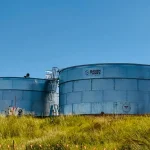
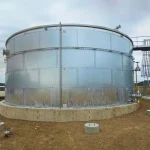
PVC (polyvinyl chloride) lining material is a synthetic polymer commonly used as a protective barrier in storage tanks. It is applied to prevent leaks, reduce corrosion, and protect underlying structures from stored liquids. PVC linings are often used in water storage, industrial tanks, and rural applications where flexibility and chemical resistance are required.
Despite its broad use, PVC lining material is not a universal solution. Its performance depends heavily on operating conditions, tank design, and long-term exposure factors.
Temperature and Environmental Limitations
One of the primary limitations of PVC lining material is its sensitivity to temperature extremes. PVC performs well within defined temperature ranges, but prolonged exposure to high heat can reduce flexibility and accelerate material degradation. In colder environments, the material may become less pliable, increasing the risk of cracking under stress.
Environmental exposure is another consideration. When used in tanks with external exposure, UV radiation and weather conditions can affect material longevity unless additional protection is provided. These factors make it essential to assess environmental conditions before selecting PVC lining material.
Chemical Compatibility Considerations
While PVC offers good resistance to many substances, it is not compatible with all chemicals. Certain solvents, oils, or highly concentrated compounds can cause swelling, softening, or gradual breakdown of the material over time.
Chemical compatibility should always be evaluated based on the specific contents of the tank and expected duration of exposure. Without proper assessment, chemical interaction may compromise the liner’s integrity and reduce its effective lifespan.
Mechanical Stress and Wear Factors
Mechanical stress can significantly impact the performance of PVC lining material. Tanks that experience frequent movement, vibration, or pressure fluctuations may place additional strain on the liner. Over time, repeated flexing or abrasion can lead to thinning, surface wear, or localized damage.
Areas around seams, penetrations, and corners are particularly vulnerable to mechanical stress. These factors highlight the importance of understanding how operational conditions affect liner durability.
Installation and Design Constraints
PVC lining material must be compatible with the tank’s design and geometry. Complex shapes, sharp angles, or uneven surfaces can limit how effectively the liner performs. Improper fit or inadequate support may result in stress points that reduce overall reliability.
Design constraints also influence liner selection, as not all tank configurations allow PVC to perform optimally. Material choice should therefore be aligned with both structural design and intended use.
When PVC-Based Lining Solutions are Typically Considered
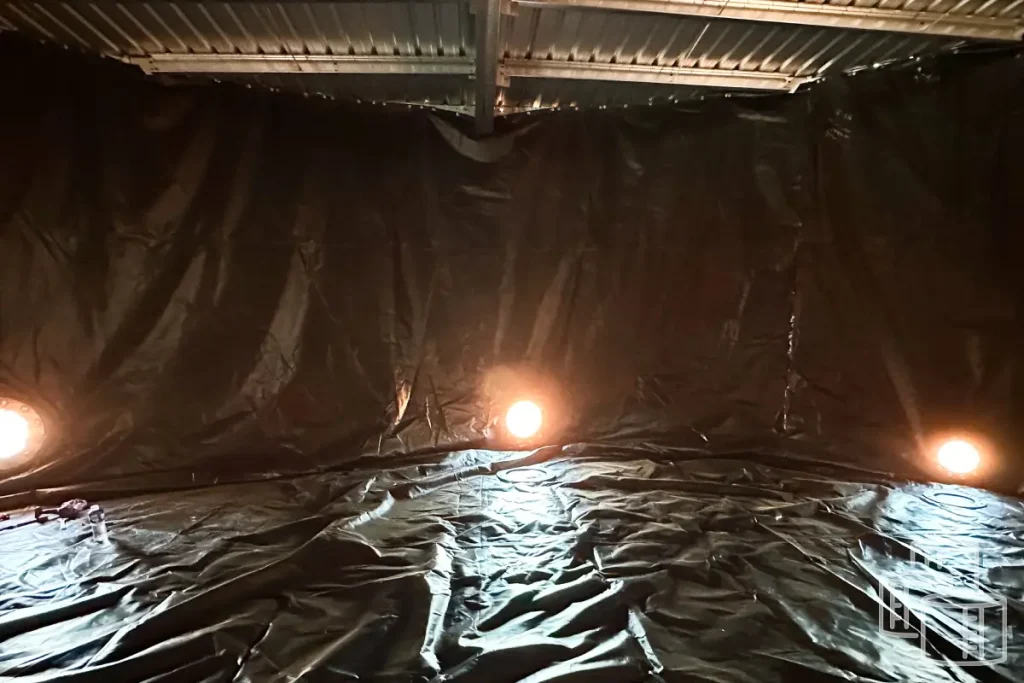
PVC-based tank lining solutions are commonly considered when operating conditions fall within suitable temperature ranges, chemical exposure is compatible, and mechanical stress is limited. In these cases, PVC can provide reliable protection when its limitations are properly accounted for during planning and evaluation. Under suitable conditions, PVC-based lining approaches may be assessed as part of a broader evaluation of tank protection methods.
Understanding when PVC is appropriate helps ensure that the material is applied where it performs best, rather than being forced into unsuitable conditions.
Conclusion
PVC lining material offers practical benefits, but it is not without limitations. Temperature sensitivity, chemical compatibility, mechanical stress, and design constraints all play a role in determining whether PVC is the right choice for a specific tank application. By carefully considering these factors, asset owners can select lining materials that support long-term performance and reduce the risk of premature failure.