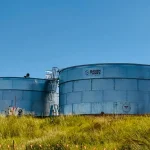
Mining operations rely heavily on dams and ponds for water storage, sediment control, and process water management. These containment systems are often exposed to variable loads, harsh environmental conditions, and chemically active liquids. When dams or ponds are unlined—or when containment protection is insufficient—the environmental risks increase significantly over time reaffirming the need for preventive environmental safeguards.
Unlike immediate structural failures, environmental impacts from unlined containment systems tend to develop gradually. Because early signs are often subtle, risks may go unnoticed until contamination or regulatory issues emerge.
Seepage and Groundwater Contamination
One of the most significant risks associated with unlined dams and ponds is uncontrolled seepage. Without a protective barrier, stored water can migrate into surrounding soil and groundwater systems.
In mining environments, this seepage may carry suspended solids, dissolved metals, or process residues beyond the containment area. Even low-rate seepage can accumulate over time, leading to long-term groundwater quality degradation that is difficult and costly to reverse.
Soil Degradation and Loss of Structural Stability
Continuous exposure to uncontained water alters soil composition around dams and ponds. Saturated soils may lose bearing capacity, increasing the likelihood of erosion, settlement, or embankment instability.
As soil integrity declines, containment structures become more vulnerable to deformation and failure. This creates a compounding risk where environmental degradation and structural stress reinforce one another.
Increased Sediment Migration Beyond Containment Zones
Sediment control is a primary function of many mining ponds. When containment systems lack effective lining, fine particles can escape through subsoil pathways.
This sediment migration can impact nearby waterways, vegetation, and drainage systems. Over time, off-site sediment accumulation may disrupt ecosystems and lead to compliance challenges with environmental discharge standards.
Unpredictable Water Balance and Loss of Control
Unlined dams and ponds make accurate water management more difficult. Seepage losses distort volume calculations, complicating operational planning and water reuse strategies.
Inconsistent water levels may also reduce the effectiveness of treatment processes and increase the need for frequent make-up water. This inefficiency places additional strain on site water resources and infrastructure.
Long-Term Environmental Liability
Environmental impacts from unlined containment systems rarely present as isolated incidents. Instead, they accumulate quietly, often becoming apparent only after monitoring data reveals contamination trends or regulatory audits identify non-compliance.
Once environmental harm is established, remediation efforts are typically extensive. Soil excavation, groundwater treatment, and habitat restoration can involve long timelines and significant financial exposure.
Regulatory and Compliance Risks
Mining operations are subject to strict environmental oversight. Unlined or inadequately protected dams and ponds increase the likelihood of exceeding allowable seepage or discharge thresholds.
Even when no visible failure occurs, documentation showing progressive environmental impact can result in compliance actions, operational restrictions, or mandatory system upgrades.

Why Early Risk Identification Matters
Understanding the environmental risks associated with unlined dams and ponds allows mining operators to assess vulnerabilities before issues escalate. Early evaluation supports informed decision-making around containment design, monitoring programs, and long-term site planning.
By identifying areas where environmental exposure may occur, facilities can better align water management practices with sustainability objectives and regulatory expectations.
Supporting Sustainable Water Management
Effective containment is a critical component of responsible mining operations. While dams and ponds are essential assets, their environmental performance depends on how well they isolate stored water from surrounding systems.
Evaluating environmental risks early helps protect groundwater, preserve soil stability, and support long-term operational resilience across mining sites.