Steel tank corrosion protection is a critical aspect of long-term liquid storage management. Steel is widely used for tanks due to its strength and load-bearing capacity, but it is naturally susceptible to corrosion when exposed to moisture, oxygen, and aggressive environmental conditions. Understanding how corrosion develops and how protective methods work helps explain why corrosion control is essential for extending the service life of steel tanks.
Why Steel Tanks are Vulnerable to Corrosion
Corrosion occurs when steel reacts chemically with its environment. In most storage applications, this process is driven by the presence of water and oxygen, which initiate electrochemical reactions on the steel surface. Over time, these reactions lead to material loss, surface pitting, and structural weakening.
Steel tanks used for water storage are particularly exposed to corrosion risks because both internal and external surfaces may be affected. Internally, water chemistry, dissolved oxygen, and temperature fluctuations influence corrosion rates. Externally, atmospheric moisture, rainfall, and airborne contaminants further accelerate degradation.
Common Corrosion Mechanisms in Steel Tanks
Several corrosion mechanisms commonly affect steel tanks. Uniform corrosion occurs evenly across exposed surfaces, gradually reducing wall thickness. Localised corrosion, such as pitting, develops in small areas and can be more difficult to detect while posing a significant structural risk.
Crevice corrosion often forms at joints, seams, and connections where moisture becomes trapped. These areas experience reduced oxygen levels, creating conditions that accelerate metal deterioration. Over time, such mechanisms can compromise tank integrity even when overall surface corrosion appears limited.
The Role of Protective Barriers
Steel tank corrosion protection relies heavily on the use of protective barriers that isolate the steel surface from corrosive elements. These barriers prevent direct contact between the metal and moisture, oxygen, or chemicals that trigger corrosion processes.
Protective systems may be applied to external surfaces, internal surfaces, or both, depending on the operating environment. Their effectiveness depends on consistent coverage, adhesion to the steel substrate, and resistance to mechanical damage over time.
Hot-Dip Galvanizing as a Corrosion Protection Method
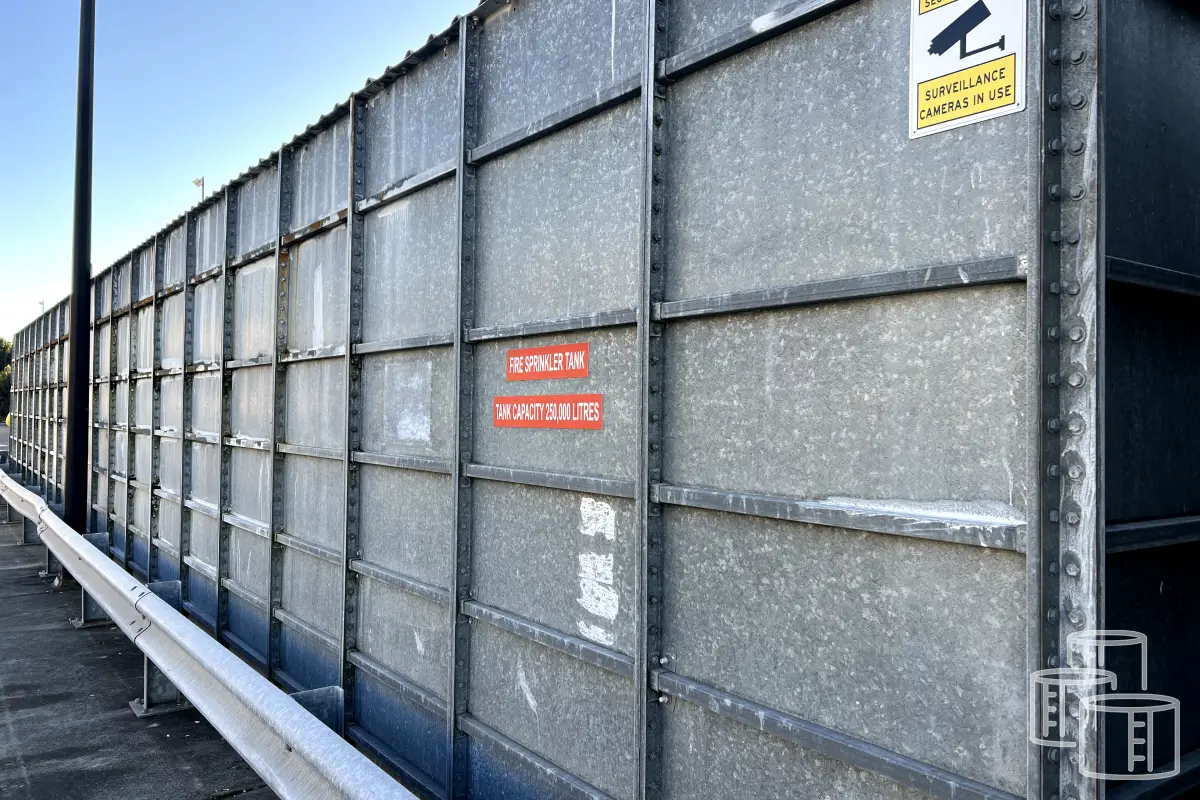
One widely used approach to steel tank corrosion protection is hot-dip galvanizing. This process involves coating steel with a layer of zinc by immersing it in molten zinc. The resulting coating provides both physical protection and electrochemical resistance.
Zinc acts as a sacrificial material, meaning it corrodes preferentially to the underlying steel. Even if the coating is scratched or locally damaged, the surrounding zinc continues to protect exposed steel areas. This dual protection mechanism makes galvanizing particularly effective in environments where long-term exposure to moisture is expected.
Evaluating how protective coatings perform under prolonged exposure and mechanical stress is central to understanding steel tank durability, particularly within broader discussions on long-term corrosion protection strategies for steel storage systems.
Environmental and Operational Factors
Environmental conditions strongly influence corrosion behaviour. High humidity, temperature changes, and exposure to industrial pollutants can increase corrosion rates on steel tanks. Coastal or industrial environments, where airborne salts or chemicals are present, pose additional challenges.
Operational factors also play a role. Frequent filling and emptying cycles, water movement, and pressure variations can affect protective coatings over time. Understanding these influences helps explain why corrosion protection strategies must account for both environmental and operational stress.
Long-Term Performance and Material Ageing
Over extended periods, even well-protected steel tanks experience gradual ageing. Protective layers may thin, surface wear may occur, and localised defects can develop. Monitoring how corrosion protection systems perform over time is essential for understanding overall tank durability.
Analyses of long-term material behaviour often focus on how protective coatings respond to mechanical stress and environmental exposure, providing insight into the relationship between corrosion control methods and structural reliability.
Why Corrosion Protection Remains Essential
Steel tank corrosion protection is not a one-time consideration but an ongoing aspect of storage system performance. Corrosion-related damage can progress slowly and remain unnoticed until structural integrity is affected. By understanding corrosion mechanisms and protection methods, asset owners and engineers can better interpret ageing-related changes in steel tanks.
This knowledge supports informed decision-making around long-term storage planning and helps ensure that steel tanks continue to perform reliably under demanding conditions.