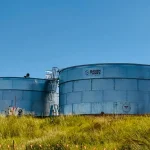
Reliable water storage is essential for farms, rural properties, and agricultural operations. Whether used for livestock, irrigation, or household supply, farm tanks must remain structurally sound to prevent water loss, contamination, and unnecessary repair costs. Understanding practical strategies for preventing leaks in farm tanks helps ensure consistent water availability and protects long-term infrastructure investment.
Regular Visual Checks Matter
Routine visual checks are one of the simplest yet most effective ways to prevent leaks. Even small signs — such as damp patches, rust marks, or surface cracking — can indicate early issues developing in the tank structure or waterproofing system.
These checks do not need to be complex. A consistent schedule, especially after extreme weather or heavy usage periods, helps identify potential concerns before they escalate into significant leaks.
Protecting Tanks from Environmental Stress
Farm tanks are constantly exposed to environmental factors. Sunlight, temperature fluctuations, soil movement, and heavy rainfall can all affect structural integrity over time. UV exposure may weaken protective coatings, while ground shifting can place stress on tank walls and joints.
Providing shade where possible, maintaining stable foundations, and managing drainage around tanks can significantly reduce environmental strain and help extend tank lifespan.
Maintaining Protective Linings and Coatings
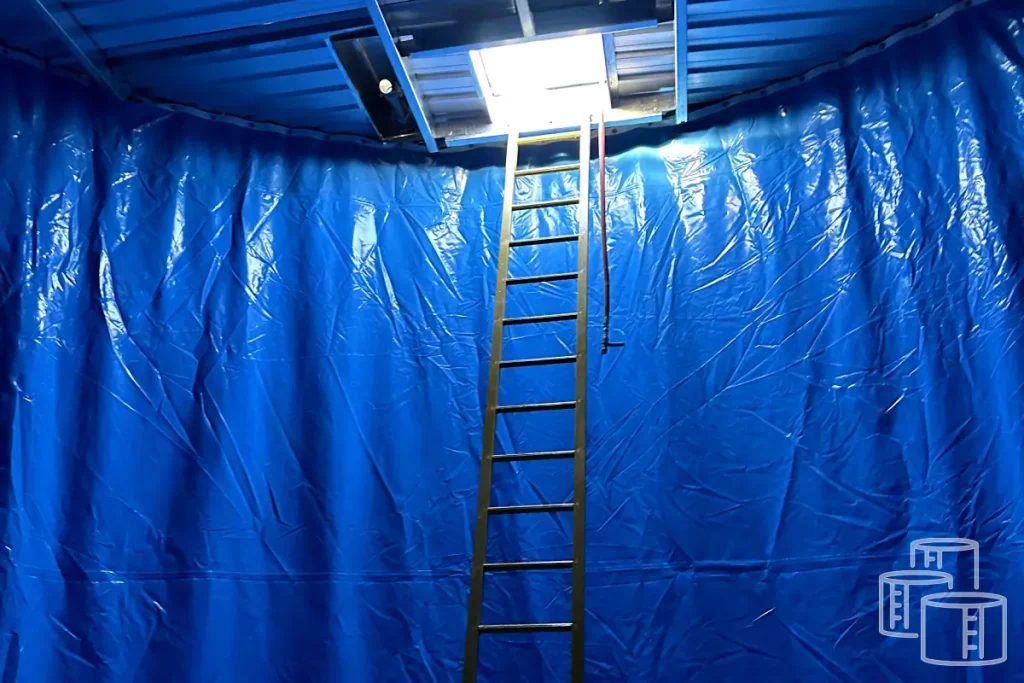
Many rural tanks rely on internal coatings or liners to maintain waterproofing performance. Over time, these protective layers may degrade due to chemical exposure, abrasion, or temperature changes.
Preventive condition evaluations often help identify early wear before leaks develop. Timely maintenance of protective barriers plays a key role in preventing leaks in farm tanks and maintaining water quality.
Managing Water Quality and Contamination Risks
Water chemistry can influence tank durability. Sediment buildup, organic material, or chemical reactions may gradually affect tank surfaces and seals. Poor water quality can accelerate corrosion or degrade protective materials.
Simple measures such as periodic cleaning, filtration where appropriate, and monitoring water quality help reduce internal stress on tank structures.
Addressing Structural Movement Early
Rural environments sometimes expose tanks to ground movement, especially in regions with seasonal moisture variation or unstable soil. Even minor shifts may create stress points that eventually lead to leaks.
Monitoring tank alignment, checking support bases, and maintaining proper foundation drainage can reduce the likelihood of structural strain over time.
Preventing Mechanical Damage
Farm activities can unintentionally damage tanks. Equipment contact, livestock pressure, or maintenance work performed without adequate protection may compromise coatings or structural components.
Establishing protective barriers around tanks, maintaining clear access zones, and using appropriate cleaning tools help minimize accidental damage.
The Role of Preventive Maintenance
Preventive maintenance is often more cost-effective than reactive repair. Scheduled assessments, basic cleaning routines, and timely minor repairs help preserve tank integrity and reduce long-term expenses.
A proactive maintenance approach also supports better water management, especially during drought periods when reliable storage becomes critical for farm operations.
Some farms use additional protective barriers to improve water storage durability.
Supporting Long-Term Water Storage Reliability
Preventing leaks in farm tanks is ultimately about consistency and awareness. Small adjustments in maintenance routines, environmental protection, and operational practices can significantly improve tank durability.
When tanks remain properly maintained, farms benefit from stable water supply, improved efficiency, and reduced unexpected repair disruptions. Reliable storage systems help support agricultural productivity while protecting valuable water resources over the long term.