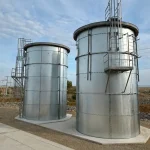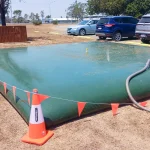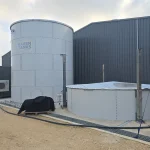
Water storage systems must remain reliable for many years. Many industries now choose GRP water tanks because they offer durability, flexibility, and low maintenance requirements.
GRP stands for glass reinforced plastic. This material combines strong glass fibres with durable resin materials. The result is a lightweight but highly durable storage solution.
Today, GRP tanks are widely used in commercial, industrial, and municipal environments. They are suitable for potable water, fire protection systems, and process water storage.
Many businesses choose GRP water tanks because they provide long-term performance in demanding environments.
What Makes GRP Water Tanks Different
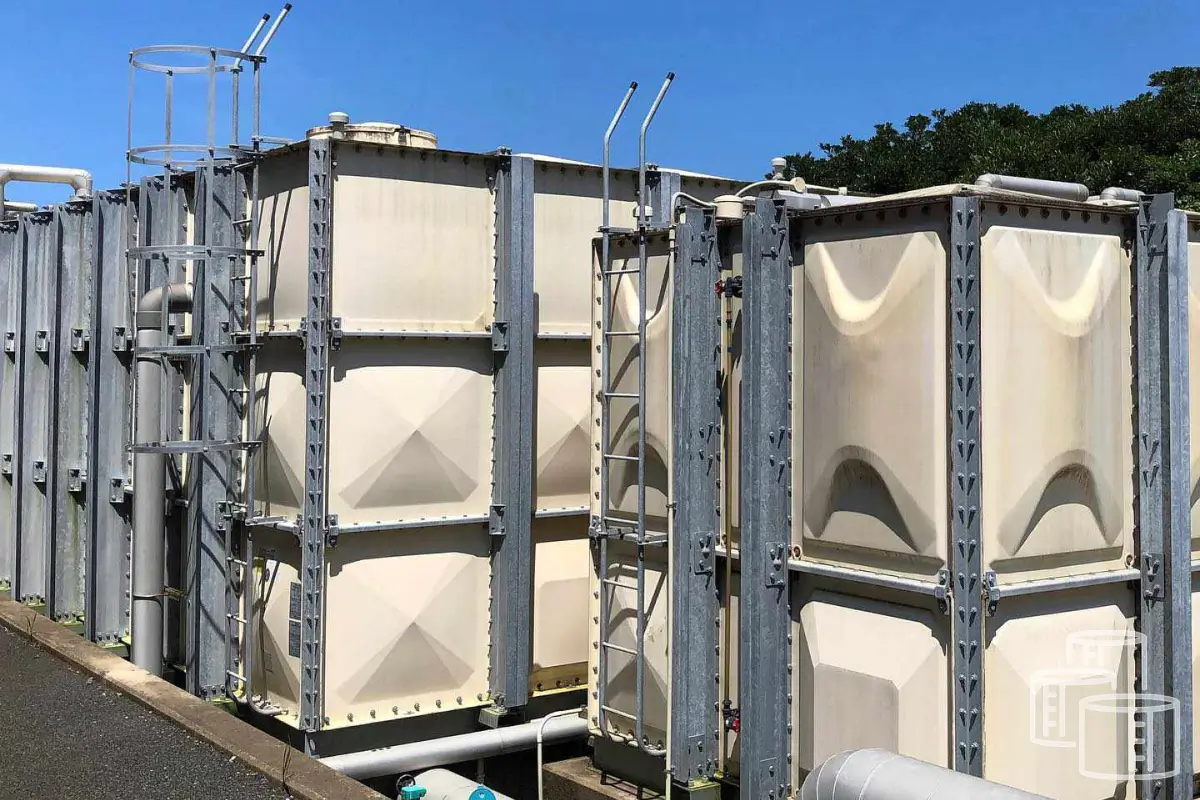
GRP water tanks differ from traditional steel or concrete tanks in several ways. Their panel-based construction allows flexible sizing and easier installation.
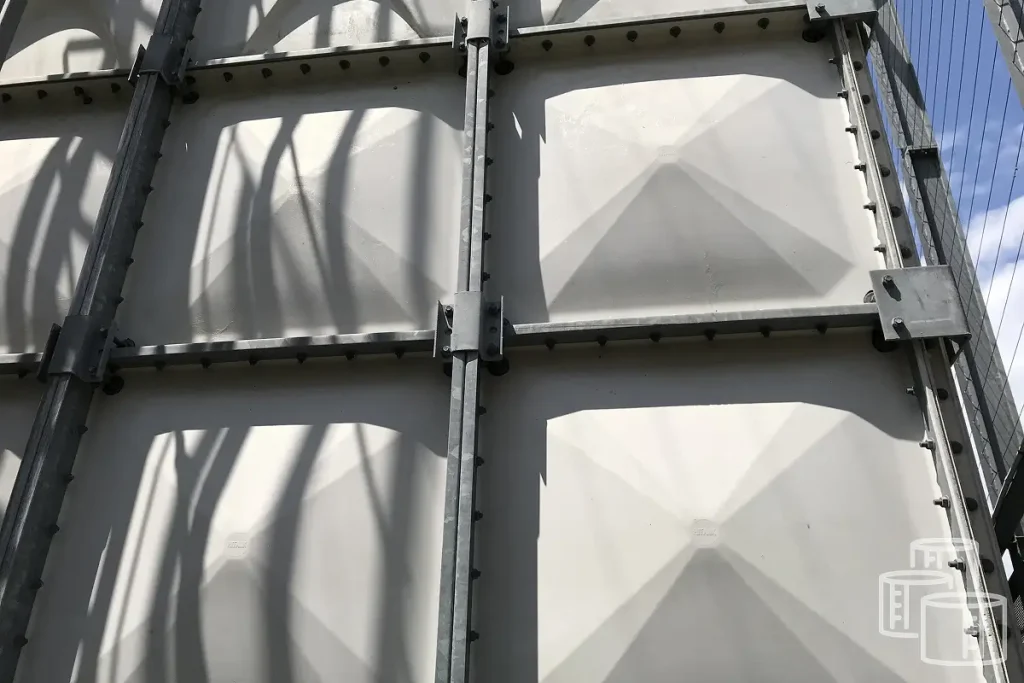
Most GRP tanks are manufactured as sectional systems. Individual panels are assembled on-site to create the required capacity.
This design provides several advantages:
- easier transportation
- flexible installation
- scalable storage capacity
- reduced structural weight
GRP materials also resist corrosion better than many traditional tank materials.
Main Benefits of GRP Water Tanks
Corrosion Resistance
One of the main advantages of GRP water tanks is corrosion resistance. Steel tanks may rust over time, especially in humid or coastal environments. Corrosion can reduce structural strength and affect water quality. GRP materials do not rust because they contain no exposed metal surfaces. This makes them suitable for harsh operating conditions.
Corrosion resistance also reduces long-term maintenance costs.
Long Service Life
GRP water tanks are designed for long operational life. Many systems continue performing effectively for decades when properly maintained.
The material remains stable under changing weather conditions and constant water exposure. UV-resistant coatings can also improve outdoor durability. Businesses often select GRP tanks because they offer reliable long-term performance with limited deterioration.
You can learn more about durability in how long do GRP water tanks last?
Lightweight Construction
GRP tanks are significantly lighter than concrete or steel alternatives.
Lower weight creates several practical benefits:
- easier transportation
- reduced lifting requirements
- faster installation
- lower structural loading
This advantage becomes important for rooftop installations or restricted construction sites. Lighter systems may also reduce overall installation costs.
Flexible Design Options
GRP tanks can be manufactured in many shapes and capacities. Sectional panel systems allow tanks to fit different installation spaces. This flexibility supports both small and large-scale water storage projects.
Common configurations include:
- rooftop water tanks
- underground installations
- plant room storage systems
- fire water tanks
- industrial process tanks
Panel designs also allow future expansion if water demand increases.
Easy Installation
Installation efficiency is another important benefit. Because GRP tanks arrive in panel form, they can often be assembled in locations with limited site access.
This helps projects where large prefabricated tanks cannot enter the site easily. Modular construction also shortens installation time compared with some traditional storage systems.
In many projects, reduced installation time lowers labour costs and site disruption.
Low Maintenance Requirements
GRP water tanks generally require less maintenance than steel storage systems. The non-corrosive surface helps minimise structural deterioration over time.
Routine inspections still remain important, especially for commercial and industrial systems. However, many operators experience fewer maintenance issues compared with older metal tanks. Proper inspections can also identify small issues before they become larger operational problems.
You can read more about inspection-related concerns in common problems in GRP panel tanks.
Hygienic Water Storage
GRP tanks are commonly used for potable water applications because they support hygienic storage conditions.
Smooth internal surfaces help reduce contamination risks and simplify cleaning procedures. Many GRP systems are manufactured to comply with drinking water standards.
This makes them suitable for:
- hospitals
- schools
- apartment buildings
- hotels
- manufacturing facilities
Water quality protection remains a major priority in modern storage systems.
Thermal Insulation Performance
Some GRP water tanks include insulated panel designs. Insulated systems help maintain more stable water temperatures during seasonal weather changes.
This can reduce the risk of freezing in colder climates. Temperature control may also improve operational efficiency in certain industrial processes.
Insulated tanks are commonly used in commercial buildings and infrastructure projects.
Common Industries that Use GRP Water Tanks
GRP tanks support many industries because they combine durability with flexible installation options.
Common applications include:
- commercial buildings
- manufacturing facilities
- fire protection systems
- agricultural operations
- hospitals
- schools
- hotels
- food processing plants
Many industries require reliable water storage with minimal maintenance disruption. GRP systems often meet these operational requirements effectively.
Why GRP Water Tanks Remain a Popular Choice
Modern water storage projects require systems that are durable, efficient, and cost-effective over the long term. GRP water tanks continue gaining popularity because they offer several operational advantages without excessive maintenance demands.
Their corrosion resistance, lightweight structure, and modular design make them suitable for many commercial environments. Businesses also value their long service life and installation flexibility.
As water infrastructure requirements continue evolving, GRP systems remain one of the most widely used storage solutions for commercial and industrial applications.