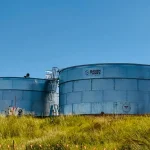
Waterproofing plays a critical role in maintaining the performance and longevity of storage tanks used across industrial, commercial, agricultural, and municipal applications. Whether tanks store water, chemicals, fuels, or process liquids, protecting them from moisture intrusion and leakage helps preserve structural integrity, environmental safety, and operational reliability.
As outlined in this storage tank waterproofing solutions guide, understanding available waterproofing approaches can help facility operators make informed decisions about long-term storage protection.
Why Waterproofing Matters in Storage Systems
Storage tanks are continuously exposed to environmental stress, fluctuating temperatures, humidity, and sometimes aggressive stored liquids. Without effective waterproofing, moisture penetration can accelerate corrosion, weaken structural components, and increase the risk of leaks or contamination.
Waterproofing not only protects the tank itself but also safeguards surrounding infrastructure and soil from potential liquid escape. This becomes particularly important in industrial settings where regulatory compliance and environmental safety standards are strict.
Many organizations incorporate broader [liquid storage protection strategies] as part of infrastructure planning to minimize long-term operational risks.
Common Waterproofing Approaches
Several waterproofing approaches are used depending on tank material, stored contents, environmental exposure, and operational requirements.
Protective coatings are widely used to create a barrier between tank surfaces and moisture. These coatings may include epoxy systems, polymer-based layers, or specialized corrosion-resistant finishes. Proper surface preparation is essential to ensure coating adhesion and long-term effectiveness.
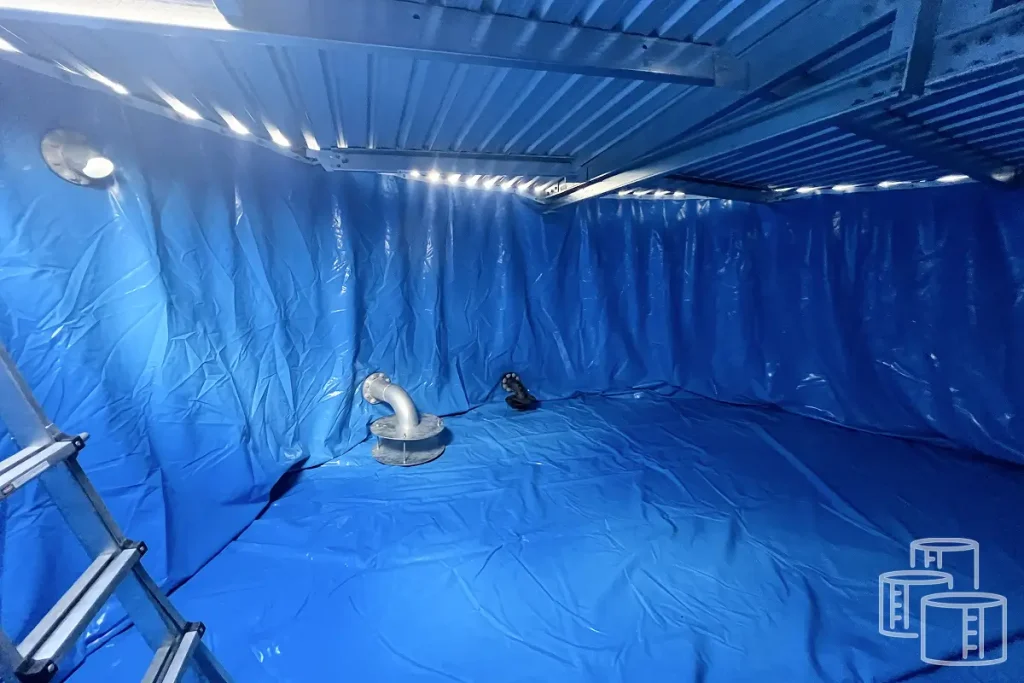
Membrane systems provide flexible waterproofing layers that adapt to structural movement and temperature changes. These systems are often selected where tanks experience expansion, contraction, or mechanical stress.
Joint sealing solutions address vulnerable connection points, seams, and fittings where leaks commonly develop. High-quality sealing materials help maintain system integrity over time.
Factors Influencing Waterproofing Selection
Choosing an appropriate waterproofing solution depends on several factors. Tank construction material, such as steel, concrete, or composite materials, influences compatibility with different waterproofing methods. Environmental exposure, including UV radiation, temperature variation, and humidity, also plays a role.
Operational considerations matter as well. The chemical composition of stored liquids, cleaning procedures, and expected service life all influence material selection. A solution suitable for potable water storage may differ significantly from one used in chemical processing environments.
Cost considerations should also include long-term maintenance requirements rather than only initial installation expenses.
Environmental and Operational Conditions
External environmental conditions can significantly affect waterproofing performance. Coastal regions, industrial zones, or areas with high pollution levels may accelerate material degradation. Temperature fluctuations can cause expansion and contraction cycles that stress protective layers.
Operational factors such as filling frequency, internal pressure variation, and mechanical vibration may also influence durability. Regular monitoring helps ensure waterproofing remains effective under changing conditions.
Effective waterproofing often forms part of broader liquid storage protection planning in facilities handling sensitive or high-volume liquids.
Maintenance and Inspection Considerations
Even high-quality waterproofing systems require periodic inspection. Visual checks, structural monitoring, and performance assessments help identify early signs of deterioration before significant problems develop.
Preventive maintenance typically includes checking seals, monitoring coating condition, and ensuring drainage systems function properly. Early intervention often reduces repair costs and extends infrastructure lifespan.
Routine evaluation also supports regulatory compliance and environmental protection goals, particularly where liquid storage poses potential environmental risks.
Long-Term Performance Perspective
Waterproofing should be viewed as part of an integrated infrastructure strategy rather than a one-time solution. Material quality, installation practices, environmental exposure, and operational management all influence long-term performance.
As highlighted in this storage tank waterproofing solutions guide, understanding available waterproofing approaches and their practical considerations helps organizations better manage storage reliability, reduce risk, and maintain consistent operational performance over time.