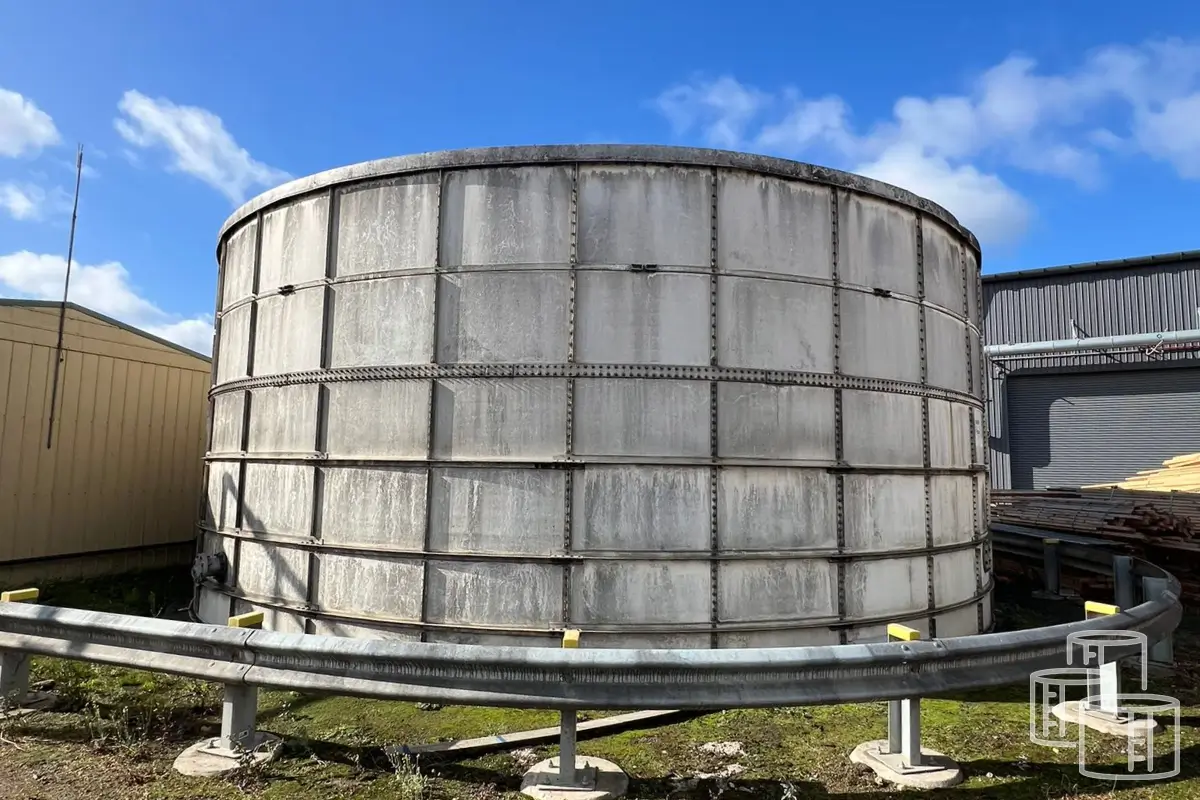
Water storage tanks require regular maintenance to ensure safe operation and water quality. Without proper care, contamination and structural issues can develop over time.
Understanding the water storage tank maintenance process helps prevent costly failures. It also ensures your system performs efficiently.
In this guide, we explain each step involved in maintaining a water storage tank.
Why a Structured Maintenance Process Matters
A consistent process reduces risks and improves system reliability. It ensures that no critical steps are missed.
Proper maintenance helps:
- maintain water quality
- extend tank lifespan
- prevent leaks and damage
- reduce long-term costs
If your system already shows issues, review common water tank maintenance signs before starting maintenance.
Step 1: Initial Inspection
Maintenance always begins with a thorough inspection. This step identifies existing issues and areas of concern.
Technicians check:
- internal surfaces
- tank structure
- connections and valves
- signs of contamination
A proper inspection helps determine the scope of maintenance work.
Step 2: Draining the Tank
Before cleaning or repair, the tank must be emptied safely.
This involves:
- shutting off water supply
- draining stored water
- ensuring safe disposal if required
Draining allows full access to internal surfaces.
Step 3: Cleaning and Sediment Removal
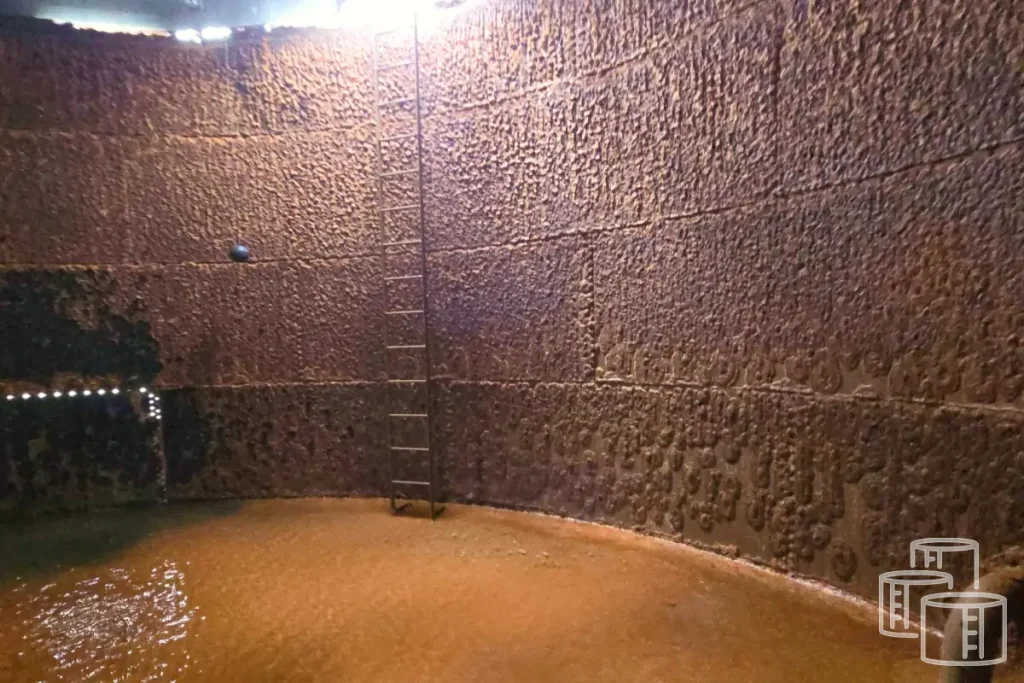
Cleaning is a critical part of maintenance. Over time, sediment builds up at the bottom of the tank.
This step includes:
- removing sludge and debris
- washing internal surfaces
- eliminating contaminants
Effective cleaning improves water quality and system performance. Learn more about best practices in water tank cleaning and maintenance.
Step 4: Surface Inspection and Minor Repairs
After cleaning, technicians inspect the tank again. This helps identify hidden damage.
Common issues include:
- small cracks
- worn coatings
- joint weaknesses
Minor repairs are completed at this stage to prevent further deterioration.
Step 5: Disinfection and Sanitization
Disinfection ensures that harmful bacteria are removed. This step is essential for tanks used in potable water systems.
The process typically involves:
- applying disinfectant solutions
- allowing proper contact time
- rinsing the tank thoroughly
Proper sanitization prevents contamination and ensures safe water storage.
Step 6: Structural Assessment
Beyond cleaning, structural integrity must be evaluated.
Technicians assess:
- wall strength
- base stability
- support structures
If major issues are detected, professional water tank maintenance may be required.
Step 7: Refilling and System Testing
Once maintenance is complete, the tank is refilled and tested.
Testing includes:
- checking for leaks
- verifying pressure levels
- ensuring proper flow
This confirms that the tank is ready for operation.
How Often Should Maintenance be Performed
Maintenance frequency depends on usage and environmental conditions.
Factors include:
- water type
- tank material
- exposure to contaminants
- system demand
Following a structured water tank maintenance schedule helps ensure consistent performance.
Common Mistakes to Avoid
Improper maintenance can create additional problems.
Avoid these common mistakes:
- skipping inspections
- incomplete cleaning
- ignoring early damage
- using incorrect chemicals
Understanding these risks helps maintain system efficiency.
Final Thoughts
A structured water storage tank maintenance process is essential for water storage systems. It ensures safety, efficiency, and long-term reliability.
Regular inspection, cleaning, and testing are key parts of the water storage tank maintenance process. They prevent major issues and help reduce operational costs.
If your tank requires maintenance, following a clear water storage tank maintenance process is the best approach. Early action protects both your system and water quality.