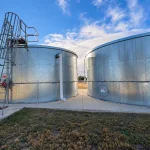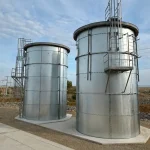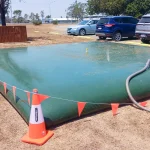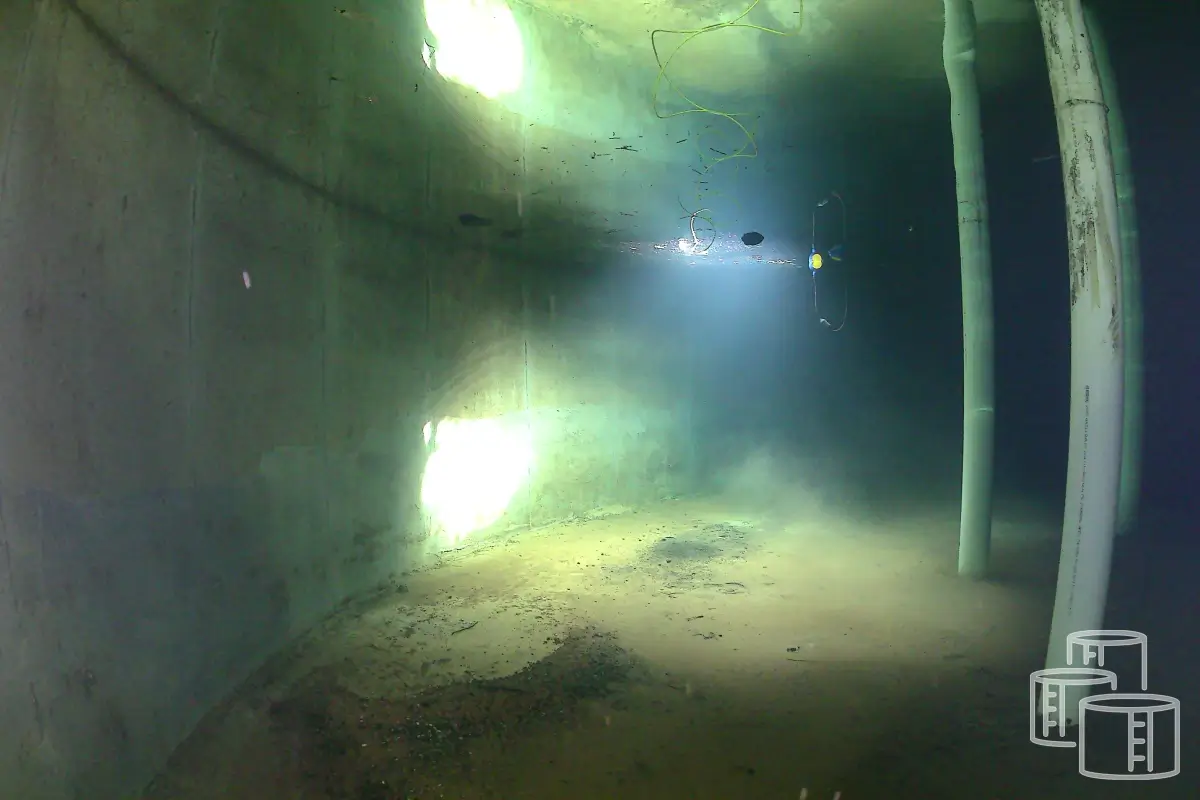
Industrial water storage systems require regular inspections to maintain safe long-term operation. Internal inspections help identify corrosion, sediment build-up, leaks, and structural deterioration. Modern underwater tank inspection methods now reduce downtime and improve inspection accuracy.
Many facilities now use remote inspection technologies for internal tank assessments. These systems help inspectors access difficult areas without draining the entire tank.
Why Water Tank Inspections Matter
Water storage tanks operate in demanding industrial and environmental conditions. Over time, internal surfaces can deteriorate due to moisture, corrosion, and sediment accumulation.
Regular inspections help identify:
- Internal corrosion
- Sediment build-up
- Structural wear
- Joint deterioration
- Water contamination risks
- Coating damage
Early detection helps prevent costly operational failures and unexpected maintenance issues.
Traditional Internal Tank Inspection Methods
Traditional tank inspections often require tanks to be drained before entry. Inspectors then enter confined spaces to assess internal conditions manually.
This process can involve:
- Operational shutdowns
- Water loss
- Safety risks
- Extended inspection timeframes
- Higher labour requirements
Many industrial operators now seek safer and more efficient inspection alternatives.
What are Underwater Tank Inspection Systems?
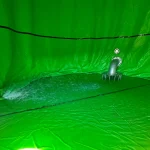
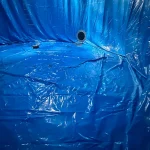
Underwater inspection systems use remotely operated equipment to inspect submerged tank interiors. These systems allow inspectors to assess internal conditions while tanks remain operational.
Modern underwater inspection systems commonly include:
- High-definition cameras
- Remote navigation controls
- Live inspection footage
- Sediment assessment tools
- Internal condition reporting systems
These technologies improve inspection visibility and reduce operational disruption.
How Remote Inspection Technology Works
Remote inspection systems move through tanks using controlled underwater navigation equipment. Operators monitor live footage from outside the tank during inspections.
Inspection teams can assess:
- Internal tank walls
- Floor conditions
- Structural joints
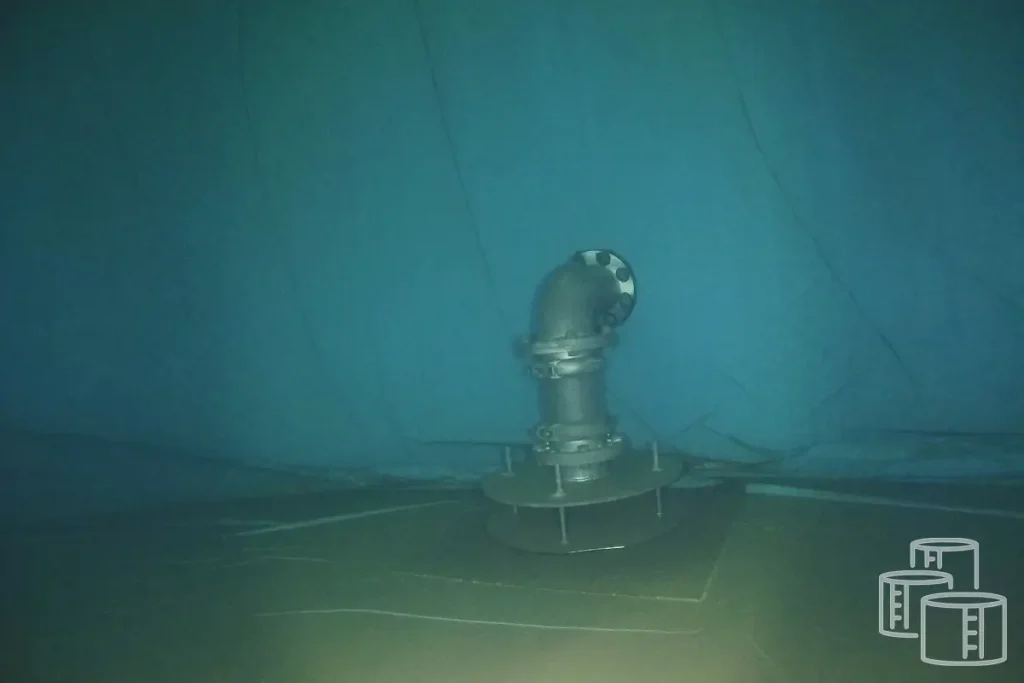
- Pipe penetrations
- Sediment accumulation
- Surface deterioration
Detailed footage helps maintenance teams identify defects more accurately.
Benefits of Remote Underwater Tank Inspections
Modern underwater inspections provide several operational advantages for industrial facilities.
Reduced Operational Downtime
Many inspections can occur while tanks remain partially operational. This reduces disruption to critical water storage systems.
Improved Safety
Remote systems reduce confined space entry requirements for inspection teams. This lowers operational safety risks during inspections.
Faster Inspection Reporting
Digital inspection footage allows faster condition assessments and reporting processes.
Better Internal Visibility
High-definition underwater cameras improve visibility inside difficult inspection environments.
Lower Water Loss
Some inspections reduce the need for complete tank draining procedures.
The Role of ROV Technology in Tank Inspections
Remote operated vehicle systems are becoming increasingly common in industrial inspections. These systems improve access inside large and difficult water storage environments. Many facilities now use ROV tank inspections to improve inspection efficiency and reporting accuracy. ROV systems help operators inspect submerged areas with minimal disruption.
These systems are commonly used for:
- Large storage tanks
- Deep water storage systems
- Difficult access environments
- High-capacity industrial tanks
- Operational water storage facilities
ROV technology continues to improve internal inspection capabilities across multiple industries.
Comparing Drone and Underwater Inspection Methods
Different inspection technologies are used for different tank assessment requirements. Drone systems typically inspect external structures and elevated tank components. Underwater inspection systems focus on submerged internal tank environments.
Many operators now combine underwater inspections with drone inspection for fire water tanks for complete condition reporting.
Different technologies may assess:
| Inspection Technology | Common Inspection Area |
|---|---|
| Drone inspections | Roofs, exteriors, elevated structures |
| Underwater systems | Internal submerged conditions |
| Manual inspections | Detailed physical assessments |
Key Factors During Internal Tank Assessments
Inspection teams typically assess several operational and structural conditions during underwater inspections.
Important inspection factors include:
- Corrosion severity
- Sediment accumulation levels
- Structural movement
- Coating deterioration
- Water quality concerns
- Internal component damage
Accurate condition reporting supports better maintenance planning and operational reliability.
Future Trends in Tank Inspection Technology
Inspection technology continues to evolve across industrial water storage industries. Modern systems now improve data collection, inspection accuracy, and operational efficiency.
Emerging developments include:
- Advanced underwater imaging
- Automated inspection reporting
- AI-assisted defect detection
- Improved remote navigation systems
- Real-time digital condition monitoring
These technologies may further reduce operational downtime and inspection costs.
Conclusion
Modern underwater tank inspection methods improve safety, efficiency, and inspection accuracy for industrial water storage systems. Remote inspection technologies now reduce operational disruption during internal assessments.
Many facilities use underwater systems to support long-term maintenance planning and asset protection. As inspection technologies continue evolving, remote underwater inspections will likely become more common across industrial storage industries.