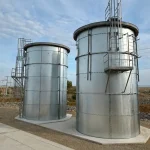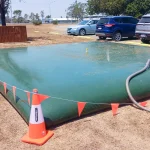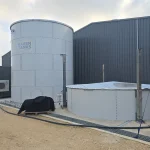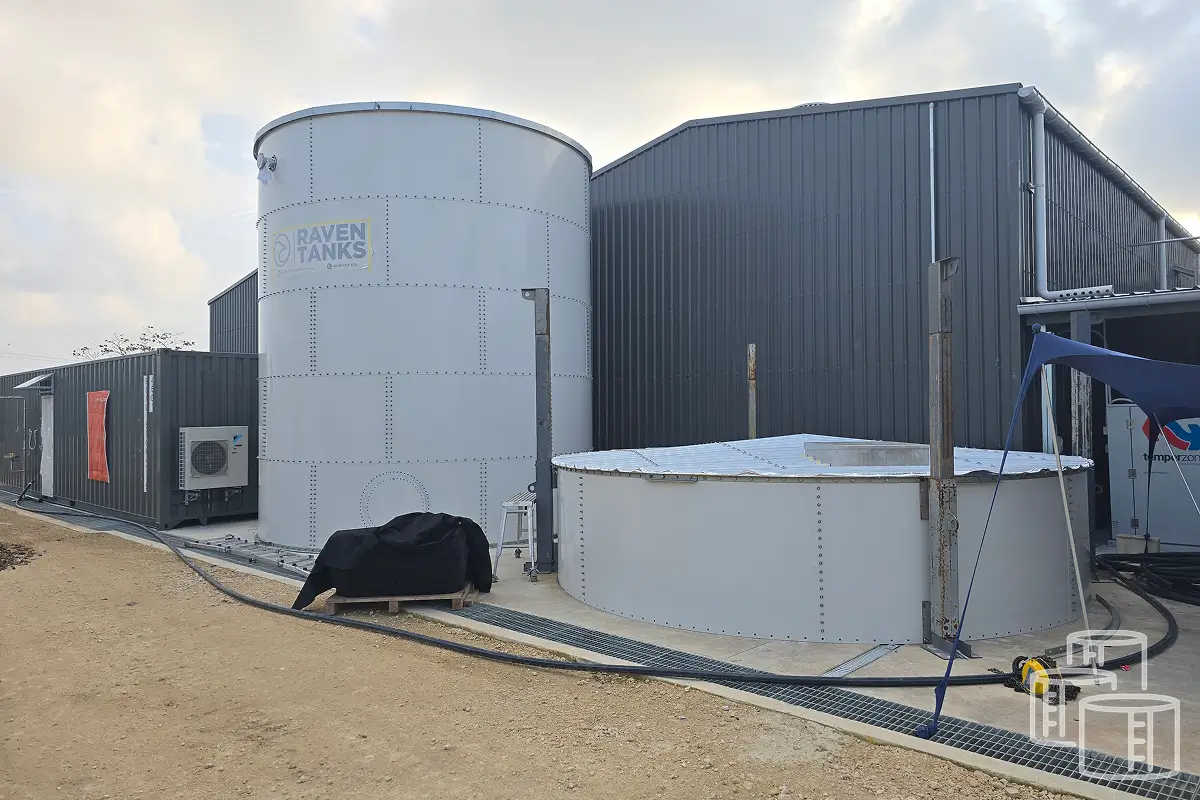
Fire water tanks play a critical role in protecting people, property, and infrastructure during emergency situations. These storage systems provide a dedicated water supply for fire protection equipment when municipal water networks cannot deliver sufficient capacity or pressure.
Because fire water tanks are considered essential safety infrastructure, their design, installation, inspection, and maintenance are often subject to various Australian standards and regulatory requirements.
Understanding these requirements helps facility owners, engineers, and asset managers ensure their systems remain reliable throughout their operational life.
This guide explains the key Australian standards and compliance considerations that may apply to fire water storage systems.
Why Standards Matter for Fire Water Tanks
A fire water tank may remain unused for months or even years. However, when an emergency occurs, the system must perform immediately and reliably.
Failure of a fire water storage system can affect:
- Fire suppression performance
- Emergency response capability
- Asset protection
- Occupant safety
- Regulatory compliance
Australian standards help establish consistent requirements for the design, operation, and maintenance of fire protection infrastructure.
What is a Fire Water Tank?
A fire water tanks is a dedicated storage system designed to provide water for firefighting purposes.
These tanks are commonly used in:
- Industrial facilities
- Warehouses
- Commercial buildings
- Mining operations
- Agricultural sites
- Infrastructure projects
- Manufacturing plants
The required storage capacity depends on the specific fire risks associated with the facility and the design of the fire protection system.
Understanding Fire Water Tank Compliance
There is no single Australian standard that governs every aspect of fire water storage. Instead, compliance often involves multiple standards, engineering requirements, and regulatory obligations.
The applicable requirements may vary according to:
- Facility type
- Fire risk classification
- Water storage capacity
- Local authority requirements
- Fire protection system design
Project-specific engineering assessments are often required to determine the most appropriate compliance framework.
AS 1851 and Fire Water Storage Systems
One of the most important standards associated with fire protection infrastructure is AS 1851. This standard focuses on the routine servicing and maintenance of fire protection systems and equipment.
For facilities that rely on dedicated water reserves, inspection and maintenance programs play a critical role in ensuring operational readiness.
As discussed in fire water tank inspection requirements in Australia, regular inspections help identify issues before they affect emergency performance.
Inspection programs may include assessments of:
- Tank condition
- Water levels
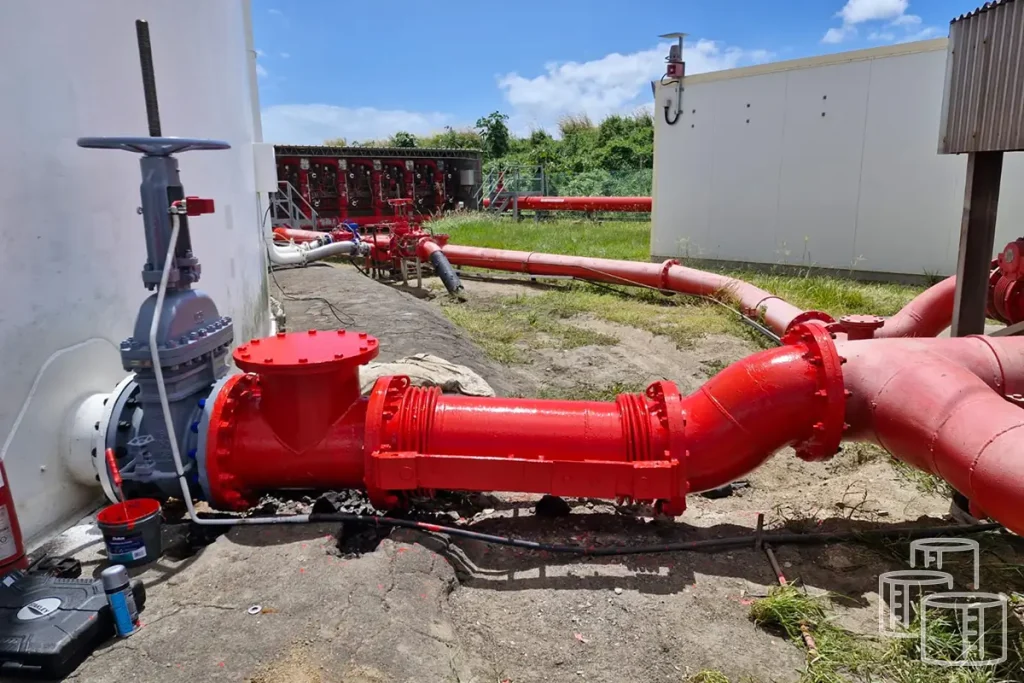
- Pipework
- Pumps
- Valves
- Access systems
Structural Design Requirements
Fire water tanks must be designed to withstand various environmental and operational loads. Several Australian standards may influence structural design considerations.
These can include:
- Wind loads
- Dead loads
- Live loads
- Seismic considerations
- Environmental conditions
Engineering assessments help ensure tanks remain structurally sound throughout their service life.
Installation Considerations
Compliance extends beyond tank design and manufacturing. Proper installation is equally important.
Installation planning typically considers:
- Foundation design
- Site preparation
- Drainage
- Access requirements
- Structural support systems
Poor installation practices can affect long-term performance regardless of tank quality.
Water Storage Capacity Requirements
The required capacity of a fire water tank depends on the demands of the fire protection system.
Factors that influence storage requirements may include:
- Facility size
- Occupancy type
- Hazard classification
- Fire suppression equipment
- Emergency response objectives
Capacity calculations should always be completed by qualified professionals familiar with applicable regulations and project requirements.
Inspection Requirements
Routine inspections are essential for maintaining compliance and reliability.
Regular inspections help identify:
- Structural concerns
- Corrosion
- Leaks
- Mechanical damage
- Water quality issues
- Safety hazards
Inspection schedules should be based on project requirements and relevant standards. Documented inspections also provide valuable records for asset management and compliance purposes.
Maintenance Obligations
A fire water tank is a long-term asset that requires ongoing care. Preventive maintenance helps ensure the system remains ready for use when needed.
Many organisations implement structured maintenance programs based on guidance outlined in how to maintain a fire water tank.
Typical maintenance activities may include:
- Visual inspections
- Cleaning
- Leak monitoring
- Valve testing
- Access system inspections
- Structural assessments
Consistent maintenance can help reduce the risk of unexpected failures.
Access and Safety Requirements
Safe access is an important part of fire water tank management.
Personnel often require access for:
- Inspections
- Cleaning
- Maintenance
- Repairs
Safety considerations may include:
- Ladders
- Platforms
- Walkways
- Guardrails
- Access hatches
Maintaining these systems helps support safe working conditions and ongoing compliance.
Record Keeping and Documentation
Documentation is a critical component of compliance management.
Facilities should maintain records relating to:
- Design documentation
- Inspection reports
- Maintenance activities
- Repairs
- Upgrades
- Compliance assessments
Accurate records help demonstrate that systems have been maintained according to applicable requirements.
Why Compliance Supports Long-Term Reliability
Compliance is not simply a regulatory obligation. It also contributes to system reliability and operational performance.
Well-maintained fire water storage systems are more likely to perform effectively during emergencies.
Benefits of compliance include:
- Improved system reliability
- Enhanced safety
- Reduced operational risk
- Better asset management
- Longer service life
- Greater emergency preparedness
These advantages support both regulatory requirements and business continuity objectives.
Common Compliance Challenges
Many organisations face challenges when managing fire water storage assets.
Common issues include:
- Infrequent inspections
- Incomplete documentation
- Ageing infrastructure
- Deferred maintenance
- Changing regulatory requirements
Addressing these challenges proactively can help reduce future risks and costs.
Conclusion
Fire water tanks are a critical part of many fire protection systems, providing dedicated water reserves that support emergency response activities.
Because these systems play such an important role in life safety and asset protection, they are often subject to a range of Australian standards and compliance requirements.
Understanding the obligations associated with design, installation, inspections, maintenance, and documentation helps ensure fire water storage systems remain reliable throughout their operational life.
By implementing appropriate inspection and maintenance programs, organisations can improve compliance, support emergency preparedness, and maximise the long-term performance of their fire water storage infrastructure.