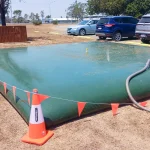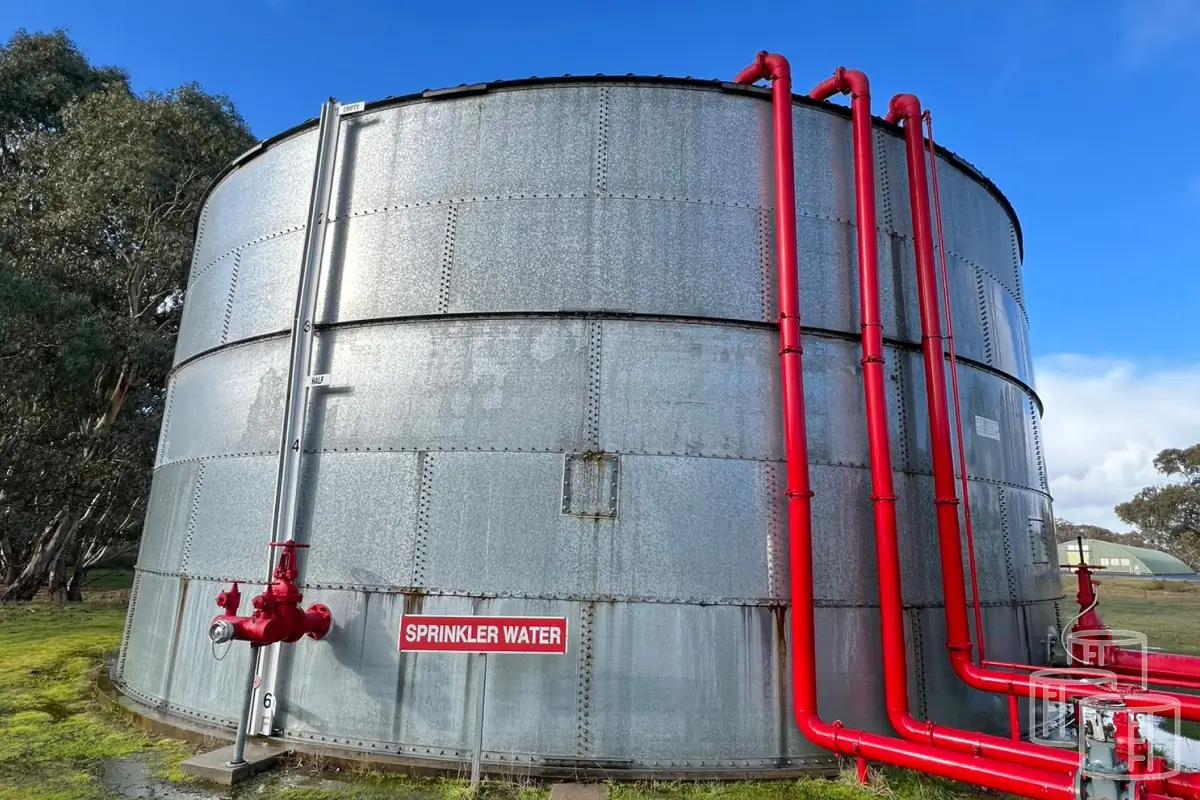
Fire water tanks must remain ready to supply water during a fire emergency. Regular inspections help identify problems before they affect firefighting operations.
In Australia, fire water tank inspection frequency depends on applicable standards, system requirements, and the tank’s condition. AS 1851 provides maintenance requirements for relevant fire protection systems, including associated water storage arrangements.
However, not every inspection follows the same schedule. Routine monitoring, scheduled maintenance, and detailed condition assessments serve different purposes.
Tank age, corrosion, water loss, and environmental exposure can also influence inspection needs. Some problems require immediate attention rather than waiting for the next scheduled visit.
Understanding these requirements helps building owners and facility managers maintain reliable fire protection systems.
How Often do Fire Water Tanks Need Inspection in Australia?
Fire water tanks require regular inspections to maintain their operational reliability. However, inspection frequency varies according to the applicable maintenance requirements.
Australian fire protection systems are generally maintained under AS 1851 where that standard applies. Other standards, building requirements, and manufacturer instructions may also influence inspection schedules.
The appropriate frequency depends on several factors:
-
The type and configuration of the fire water tank.
-
The fire protection systems connected to the tank.
-
Applicable Australian Standards and maintenance obligations.
-
The tank’s age, materials, and physical condition.
-
Previous inspection results and identified defects.
-
Environmental conditions affecting the installation.
Importantly, routine checks and detailed tank inspections are not interchangeable. A routine check may identify abnormal water levels or visible damage. A detailed inspection can assess deterioration that routine monitoring cannot adequately detect.
If your tank shows signs of corrosion, leakage, or structural damage, our fire tank inspections services can help identify issues requiring attention.
Understanding Different Inspection Intervals
Fire water tank maintenance involves several levels of inspection and monitoring.
| Inspection activity | Frequency considerations |
|---|---|
| Routine operational checks | Follow the applicable maintenance schedule for the connected fire protection system |
| Visual condition inspections | Follow relevant standards, maintenance documentation, and identified risk factors |
| Detailed tank condition assessments | Schedule according to applicable requirements and the tank’s condition |
| Additional inspections | Arrange when damage, leakage, or abnormal conditions are identified |
| Post-incident inspections | Assess the need after severe weather, impact, fire system operation, or other |
These categories describe inspection activities rather than fixed AS 1851 inspection intervals. The applicable standard and maintenance documentation must be checked before assigning specific inspection frequencies.
Why Inspection Frequency Matters
Fire water tanks may remain unused for extended periods. However, their condition can deteriorate even when no firefighting water is required. Corrosion, ageing seals, damaged liners, and environmental exposure can gradually affect tank integrity.
Regular inspections help identify these issues before they develop into serious failures. A reliable inspection schedule also supports maintenance planning. Early detection allows repairs to be organised before damage becomes extensive.
For facilities relying on stored firefighting water, maintaining tank availability is particularly important.
Australian Standards for Fire Water Tank Inspection Frequency
Australian fire water tank inspection requirements are influenced by national standards, building regulations, and site-specific maintenance obligations.
Understanding these requirements helps facility managers establish appropriate inspection schedules.
AS 1851 Inspection and Maintenance Requirements
AS 1851 covers routine servicing of fire protection systems and equipment. It provides maintenance procedures and schedules for relevant systems. These requirements help maintain fire protection equipment in an operational condition.
For fire water tanks, the applicable provisions depend on the system configuration and maintenance obligations.
The standard distinguishes between different servicing activities. These may involve operational checks, visual examinations, functional testing, and other prescribed procedures.
Not every activity requires the same frequency or level of assessment. Building owners should establish which provisions apply to their installation before preparing a maintenance schedule.
They should also confirm which edition of AS 1851 applies through relevant regulatory or building documentation. A general reference to AS 1851 does not automatically establish one inspection interval for every fire water tank.
To understand the standards and regulations affecting fire water tank maintenance, read our fire water tank inspection requirements in Australia guide.
Other Australian Standards and Regulatory Requirements
AS 1851 is not the only document relevant to fire water tank maintenance.
Other requirements may arise from:
-
AS 2304, which addresses water storage tanks for fire protection systems.
-
Applicable National Construction Code requirements.
-
State and territory fire safety legislation.
-
Building approval conditions and fire safety documentation.
-
Manufacturer maintenance recommendations.
-
Site-specific maintenance and inspection requirements.
AS 2304 primarily addresses fire protection water storage tank design and construction. It should not be treated as a replacement for routine servicing requirements.
Requirements may also differ between existing installations and newly constructed systems. For example, an older building may have maintenance obligations linked to its original approval conditions.
Facility managers should review the documentation applicable to their particular building and fire protection installation.
Who is Responsible for Maintaining the Inspection Schedule?
Responsibility generally rests with the relevant building owner or responsible person under applicable legislation. Facility managers may coordinate inspections, maintenance records, and communication with qualified service providers.
Their responsibilities commonly include:
-
Identifying applicable inspection and servicing requirements.
-
Maintaining an up-to-date inspection schedule.
-
Arranging inspections by appropriately competent personnel.
-
Recording identified defects and maintenance recommendations.
-
Tracking corrective actions until completion.
-
Retaining relevant servicing documentation.
Responsibilities can vary between Australian jurisdictions and building types. Clear maintenance records help demonstrate that scheduled activities have been managed appropriately.
They also provide useful information when planning future tank assessments.
For a complete overview of inspection procedures and their importance, read our fire water tank inspection explained guide.
What Factors Affect Fire Water Tank Inspection Frequency?
Scheduled inspections provide a foundation for maintaining fire water tanks. However, several factors can increase the need for additional assessments.
Tank materials, age, environmental exposure, and previous defects all influence deterioration risks. Understanding these factors helps facility managers identify when a standard maintenance schedule may need additional inspections.
Tank Age and Overall Condition
Older fire water tanks may experience deterioration after years of continuous exposure to water and environmental conditions. Seals can weaken, protective coatings may deteriorate, and structural components can show signs of ageing.
However, age alone does not determine whether a tank requires more frequent inspections. A well-maintained older tank may remain in better condition than a newer installation with unresolved defects.
Important considerations include:
-
The tank’s installation date and maintenance history.
-
Previous corrosion or structural damage.
-
Repairs involving panels, joints, or liners.
-
Recurring leaks or abnormal water loss.
-
Recommendations from earlier condition assessments.
Inspection records can reveal deterioration patterns that are difficult to identify during individual visits. Repeated problems may justify additional assessments between scheduled servicing activities.
Tank Material and Corrosion Risk
Different fire water tank materials experience different forms of deterioration. Steel tanks may develop corrosion when protective coatings become damaged. Moisture exposure and environmental conditions can accelerate this process.
Galvanised steel tanks also require monitoring because protective zinc coatings can deteriorate over time. Concrete tanks may experience cracking, movement, or deterioration around joints and penetrations.
Tanks with flexible liners can develop problems involving material ageing, damaged seams, or punctures. These differences influence which warning signs deserve particular attention.
The tank’s construction material should therefore be considered when assessing the need for additional inspections.
Environmental and Weather Conditions
Environmental exposure can significantly influence fire water tank condition. Coastal environments may increase corrosion risks for exposed metal components. Industrial environments can introduce additional contaminants and aggressive atmospheric conditions.
High temperatures and prolonged sunlight may also affect certain protective materials and exposed components.
Other environmental factors include:
-
Strong winds and severe storms.
-
Heavy rainfall and localised flooding.
-
Ground movement or unstable foundations.
-
Falling branches and airborne debris.
-
Repeated exposure to moisture around structural connections.
Tanks in demanding environments may benefit from additional condition assessments. These assessments should supplement, rather than replace, the applicable scheduled maintenance activities.
Previous Inspection Findings
Previous inspection results provide valuable information about future maintenance needs. A tank with repeated leakage may require closer monitoring than one with no recorded defects.
Similarly, recurring corrosion can indicate an underlying issue requiring further investigation.
Facility managers should review previous reports for:
-
Defects that remain unresolved.
-
Repeated failures affecting the same components.
-
Evidence of progressive deterioration.
-
Recommendations for follow-up assessments.
-
Repairs requiring subsequent condition monitoring.
An additional inspection may be appropriate when earlier findings suggest continued deterioration. Importantly, increasing inspection frequency does not replace the need to correct identified defects.
Warning Signs Your Fire Water Tank Needs an Early Inspection
Fire water tanks can develop problems between scheduled inspections. Recognising early warning signs helps prevent deterioration from affecting emergency water availability.
Some defects are visible from outside the tank. Others become apparent through unusual water levels or changes in system performance.
The following warning signs may justify an inspection before the next scheduled service.
Visible Corrosion or Rust
Corrosion is a common concern for steel fire water tanks. It can develop around joints, bolts, roof components, and other exposed metal surfaces.
Early corrosion may appear as surface discolouration or small rust patches. More advanced deterioration can involve flaking metal, weakened connections, or localised material loss.
Warning signs include:
-
Rust around panel joints and fasteners.
-
Deteriorating galvanised coatings.
-
Corrosion near pipe connections.
-
Flaking or damaged protective coatings.
-
Rust staining around structural components.
Not every rust mark indicates immediate structural failure. However, visible deterioration should be assessed before it progresses.
Water Leaks or Unexpected Water Loss
Fire water tanks must maintain the required water supply for their connected protection systems. Unexpected water loss can indicate leakage, malfunctioning components, or another system problem.
Potential warning signs include:
-
Persistent wet areas around the tank base.
-
Water escaping from joints or fittings.
-
Unexplained reductions in stored water levels.
-
Frequent operation of refill equipment.
-
Dampness around penetrations or connections.
A falling water level should not automatically be attributed to tank leakage. The cause may involve connected pipework, valves, or operational water use.
Any unexplained loss requires investigation because it may reduce the available firefighting water supply.
Structural Damage or Deformation
Structural damage can compromise tank integrity and create additional safety concerns. Visible deformation may indicate excessive loading, damaged supports, or deterioration of structural components.
Common warning signs include:
-
Bulging or distorted tank panels.
-
Loose or damaged structural connections.
-
Unusual movement around supporting components.
-
Cracks in concrete tank walls.
-
Settlement or cracking around foundations.
These conditions may develop gradually or follow a significant external event. Structural concerns should be assessed by appropriately qualified personnel.
Unusual Water Quality Changes
Changes in stored water can sometimes indicate developing maintenance problems. Sediment accumulation, biological growth, and contamination may affect the tank’s internal condition.
Warning signs can include:
-
Visible sediment or debris.
-
Unusual water discolouration.
-
Excessive algae growth.
-
Floating foreign materials.
-
Signs of contamination entering the tank.
Water appearance alone cannot confirm the tank’s structural condition. However, significant changes may indicate problems requiring further assessment.
Contamination may also affect connected firefighting equipment or water supply components.
Damage After Severe Weather
Severe weather can damage fire water tanks even when their previous condition was satisfactory. Strong winds may affect roof components or exposed fittings. Flooding can create problems around foundations and surrounding ground.
Falling debris may also damage protective coatings, pipework, or structural components.
An additional inspection may be necessary after:
-
Severe storms or damaging winds.
-
Flooding around the tank foundation.
-
Significant impact from falling objects.
-
Ground movement near the installation.
-
Other incidents affecting tank stability or operation.
The need for inspection depends on the event and any resulting damage. Visible structural damage or compromised water availability should receive prompt professional attention.
Discover which tank components require attention and what defects to look for in our comprehensive fire tank inspection checklist guide.
What Happens if Fire Water Tank Inspections are Overdue?
Delaying fire water tank inspections can allow developing problems to remain undetected. A tank may appear operational while corrosion, leakage, or structural deterioration gradually affects its reliability.
Overdue inspections can create several risks.
Reduced Fire Protection Reliability
Fire water tanks must provide sufficient stored water when connected firefighting systems operate. Undetected leakage or malfunctioning components can reduce the available water supply.
This may affect the performance of sprinkler systems, hydrants, or other connected equipment.
Increased Repair and Maintenance Costs
Minor defects can become more expensive when they remain unresolved. For example, localised corrosion may eventually affect larger sections of a steel tank.
Similarly, a damaged liner can allow water to reach components that require protection from prolonged moisture exposure. Identifying deterioration earlier may allow more manageable repairs.
Compliance and Documentation Problems
Missed inspections can also create problems with fire safety compliance. Building owners may need to demonstrate that required maintenance activities were completed within applicable timeframes.
Incomplete records can make it difficult to verify previous servicing or identify outstanding defects. Where mandatory maintenance requirements apply, missed activities may require corrective action and further assessment.
The consequences depend on the building, jurisdiction, and applicable obligations.
Unexpected System Downtime
Serious tank defects may require repairs that temporarily interrupt the available firefighting water supply. Some repairs can involve draining or isolating the tank.
This creates additional planning requirements because the connected fire protection system may become unavailable. Identifying problems through scheduled inspections can reduce the likelihood of unexpected interruptions.
How to Establish a Fire Water Tank Inspection Schedule
A reliable inspection schedule should combine applicable servicing requirements with the tank’s maintenance history and condition. For Australian installations maintained under AS 1851:2012, Section 5 identifies monthly, six-monthly, yearly, and ten-yearly servicing activities.
These intervals provide a useful starting point. However, the actual maintenance programme must reflect the requirements applicable to the installation.
Start With the Required Inspection Intervals
The first step involves identifying the relevant standards and maintenance obligations. For water storage tanks covered by AS 1851:2012, the main servicing intervals are:
| Frequency | General purpose |
|---|---|
| Monthly | Water availability and level monitoring |
| Six-monthly | Additional operational checks of relevant components |
| Yearly | Broader assessment of tank condition and associated components |
| Ten-yearly | Major servicing, including tank cleaning and condition assessment, subject to applicable provisions |
The ten-yearly programme also includes provisions affecting subsequent liner assessments. Specific activities and exceptions must be verified against the applicable standard.
Discover what affects inspection frequency and when additional checks may be necessary in our how often do fire water tanks need inspection guide.
Review Previous Inspection Reports
Previous reports help identify recurring defects and areas requiring closer attention. They may also contain recommendations for additional inspections or follow-up assessments.
A maintenance schedule should account for these findings rather than relying exclusively on calendar intervals.
Record Upcoming Inspections and Corrective Actions
Facility managers should maintain a clear record of scheduled activities and their completion dates.
Useful information includes:
-
The required inspection frequency.
-
The date of the previous inspection.
-
The next scheduled inspection date.
-
Outstanding defects and recommended actions.
-
Completed repairs and follow-up assessments.
-
Relevant reports and servicing documentation.
A centralised maintenance record can make scheduling easier and reduce the likelihood of missed inspections.
Adjust the Schedule When Conditions Change
Additional inspections may become necessary after significant damage, unexpected water loss, or recurring defects. Changes in tank condition should trigger a review of the existing maintenance plan.
However, additional inspections should not replace mandatory servicing activities.
Conclusion
Fire water tank inspections are essential for maintaining reliable firefighting water supplies across Australian buildings. Under AS 1851:2012, relevant tank servicing activities occur at monthly, six-monthly, yearly, and longer intervals.
However, scheduled servicing is only part of effective tank maintenance. Corrosion, leakage, structural damage, and environmental exposure may create the need for earlier assessments.
A suitable inspection schedule should reflect applicable standards, tank condition, and previous maintenance findings. Regular inspections, accurate records, and timely corrective actions help keep fire water tanks ready for emergencies.