Water storage tanks play a critical role in residential, commercial, and industrial systems. They ensure a consistent and safe water supply. However, without proper care, tanks can develop issues that affect performance and water quality.
Recognizing early water tank maintenance signs helps prevent serious problems. Timely action reduces costs and protects system reliability.
In this guide, we explain the most common signs that indicate your tank needs maintenance.
Why Early Maintenance Matters
Water tanks are constantly exposed to environmental and operational stress. Over time, this can lead to wear and contamination.
Ignoring early warning signs can result in:
- water quality issues
- structural damage
- system inefficiency
- costly repairs
Regular maintenance helps extend the lifespan of your system. If issues are detected, professional water storage tank maintenance may be required.
1. Changes in Water Quality
One of the first warning signs is a change in water quality.
This can include:
- unusual taste or odor
- discoloration
- visible particles
These issues often indicate contamination inside the tank. Sediment buildup and bacterial growth are common causes.
Proper cleaning is essential. Learn more in our guide on water tank cleaning and maintenance.
2. Sediment Build-Up Inside the Tank
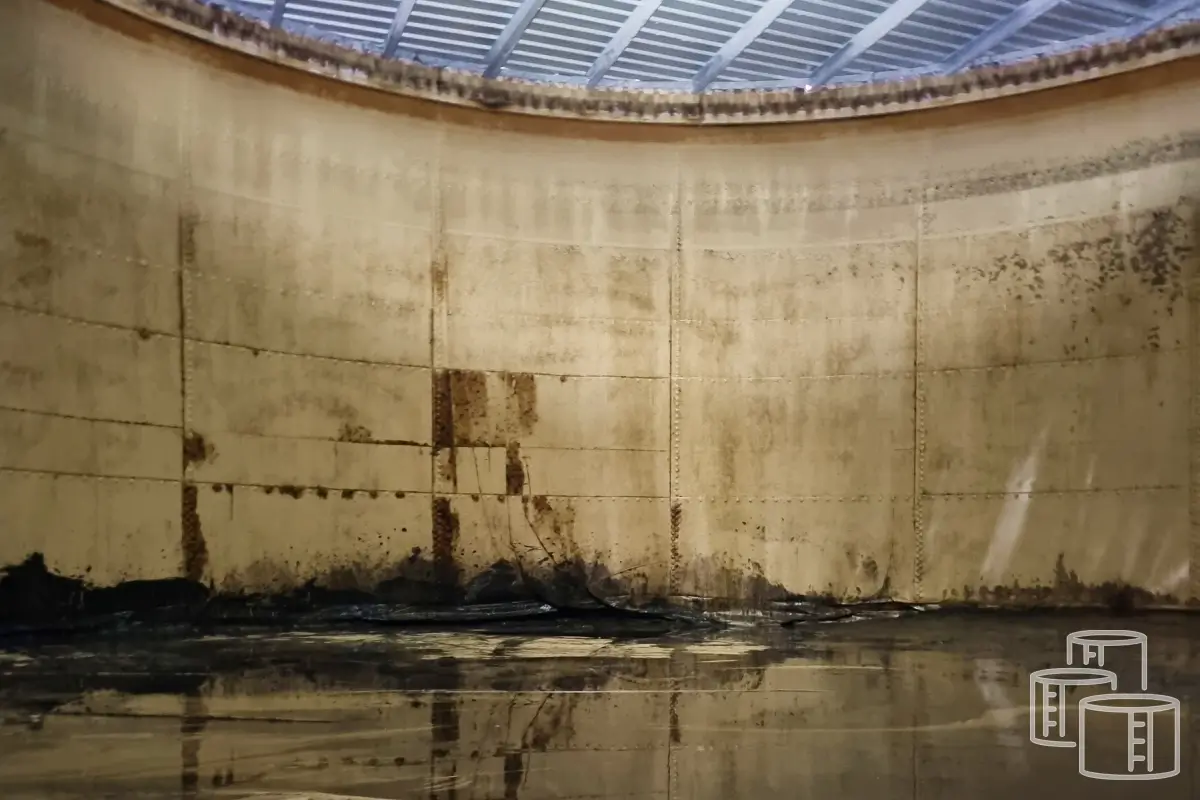
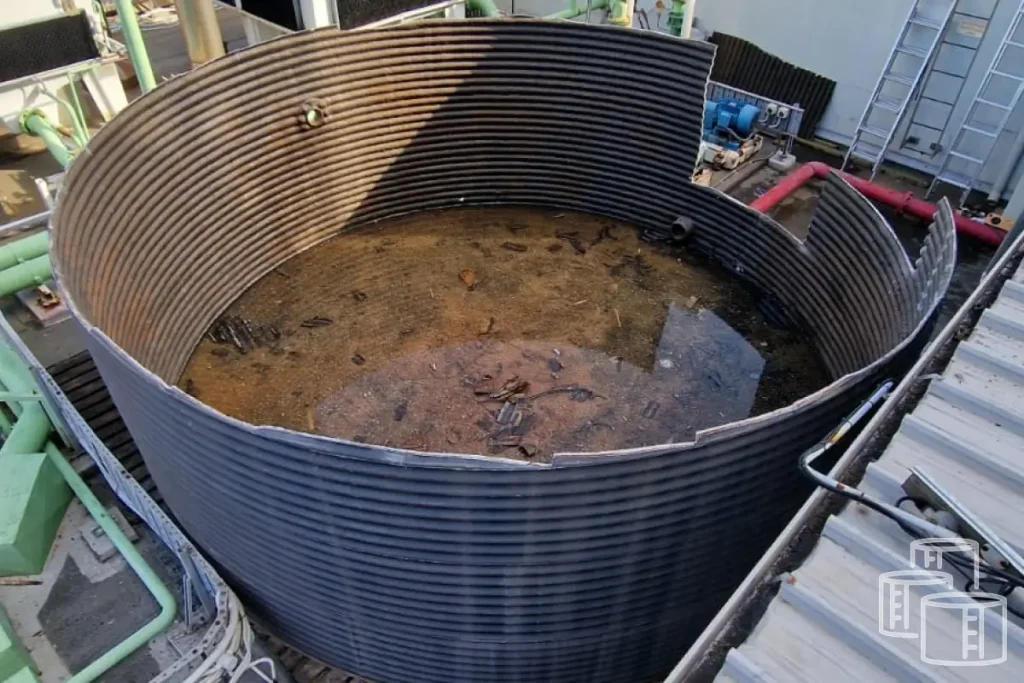
Over time, sediment accumulates at the bottom of the tank. This includes dirt, rust, and organic matter.
Sediment buildup can:
- reduce storage capacity
- affect water quality
- damage internal surfaces
If left untreated, it creates an environment for bacteria to grow.
Understanding the correct approach is important. See our step-by-step water storage tank maintenance process.
3. Visible Corrosion or Surface Damage
While many tanks are corrosion-resistant, damage can still occur. Metal components and fittings are especially vulnerable.
Signs include:
- rust patches
- surface deterioration
- flaking material
Corrosion weakens the structure and can lead to leaks. Early intervention helps avoid major repairs.
4. Leaks and Moisture Around the Tank
Leaks are a clear indicator that maintenance is required. Even small leaks can lead to bigger issues over time.
Common signs include:
- damp areas near the tank
- dripping water
- unexplained water loss
Leaks may result from cracks, joint failures, or worn components.
If you notice leaks, it is important to investigate immediately. You can also review the recommended maintenance process for proper repair steps.
5. Unusual Noises or Pressure Changes
Water tanks should operate quietly and consistently. Unusual sounds or pressure fluctuations may indicate internal issues.
Possible causes include:
- blockages
- sediment interference
- valve problems
These issues can affect system performance and efficiency. Monitoring system behavior helps detect problems early.
6. Algae or Bacterial Growth
Tanks exposed to light or poor sealing conditions can develop algae. Bacterial growth is also a common issue in poorly maintained systems.
Warning signs include:
- green or slimy surfaces
- foul odors
- cloudy water
This type of contamination poses health risks. It requires immediate cleaning and sanitation. Maintaining proper hygiene standards is essential for safe water storage.
7. Structural Wear and Aging
All tanks experience wear over time. Environmental exposure and usage gradually weaken materials.
Signs of aging include:
- cracks or deformation
- weakened supports
- reduced efficiency
Older tanks require more frequent inspections. You can follow a proper water tank maintenance schedule to stay on track.
When to Take Action
Not all issues require immediate replacement. However, maintenance should not be delayed when warning signs appear.
You should act if you notice:
- consistent water quality issues
- recurring leaks
- visible structural damage
- contamination indicators
Early maintenance is more cost-effective than emergency repairs.
Preventing Future Problems
Regular maintenance is the best way to avoid serious issues. A proactive approach keeps your system efficient and safe.
Best practices include:
- routine inspections
- scheduled cleaning
- monitoring water quality
- maintaining proper sealing
Following a structured plan reduces risks and improves performance.
Final Thoughts
Water storage tanks require ongoing attention to function properly. Ignoring early warning signs can lead to serious consequences.
Understanding water tank maintenance signs helps you take action at the right time. This protects both your system and water quality.
If you notice any issues, do not delay maintenance. Addressing problems early ensures long-term reliability and safety.